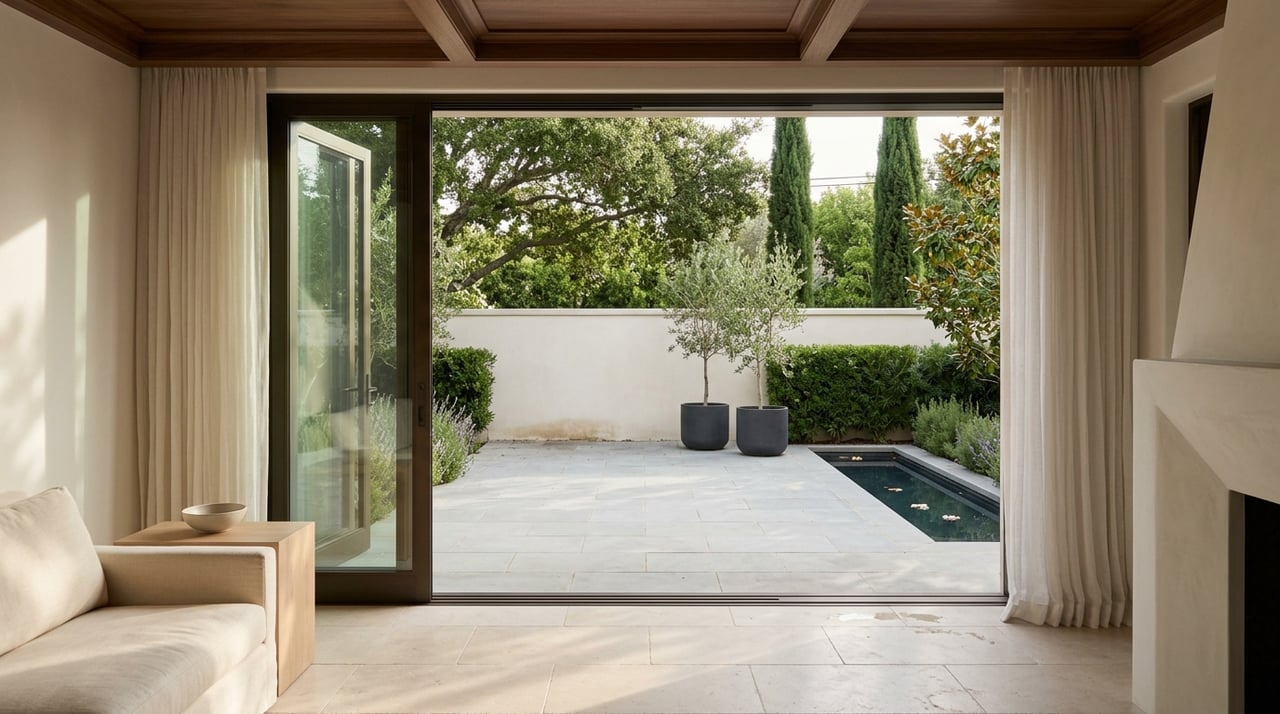
Life in San Marino often feels shaped as much by landscape as by architecture. If you are drawn to homes where gardens matter, streets feel composed, and daily routines unfold with a sense of order, San Marino offers a distinct version of Los Angeles living. This guide walks you through what everyday life can look like in a San Marino garden estate, from morning park loops to the civic habits that help preserve the city’s calm character. Let’s dive in.
San Marino’s Residential Character
San Marino presents itself as a premier residential community defined by park-like surroundings, natural beauty, and strong architectural standards. That identity is not accidental. The city was incorporated in 1913 with a clear aim to control growth and preserve a setting of large lots, beautiful gardens, wide streets, and well-kept parkways.
That planning legacy still shapes the feel of daily life today. San Marino spans just 3.75 square miles and had 11,977 residents in 2023, which gives it a compact, intimate quality despite its estate-scale homes and grounds. With 67 miles of streets, the city feels navigable and quiet rather than sprawling.
Why Garden Estate Living Feels Different
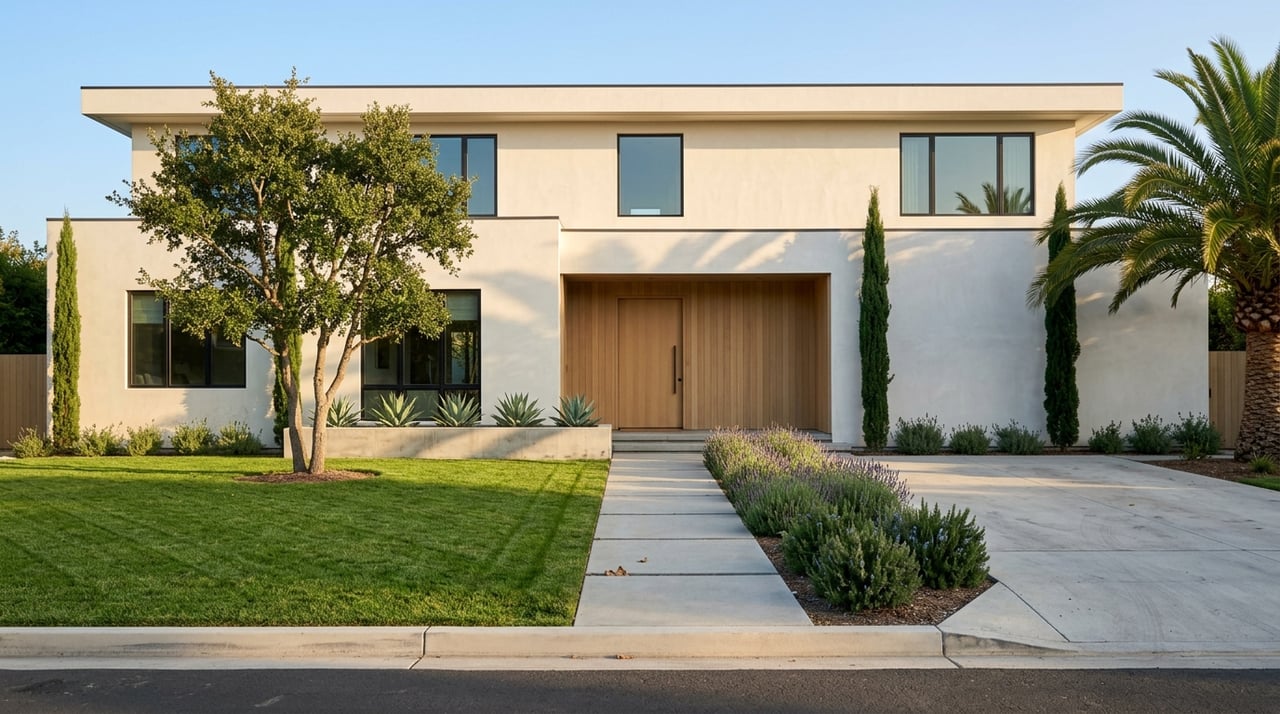
In San Marino, outdoor space is not just a backdrop to the house. Gardens, mature trees, and the rhythm of the streetscape are part of the experience of living here. The result is a setting where the public realm and private property often feel visually connected.
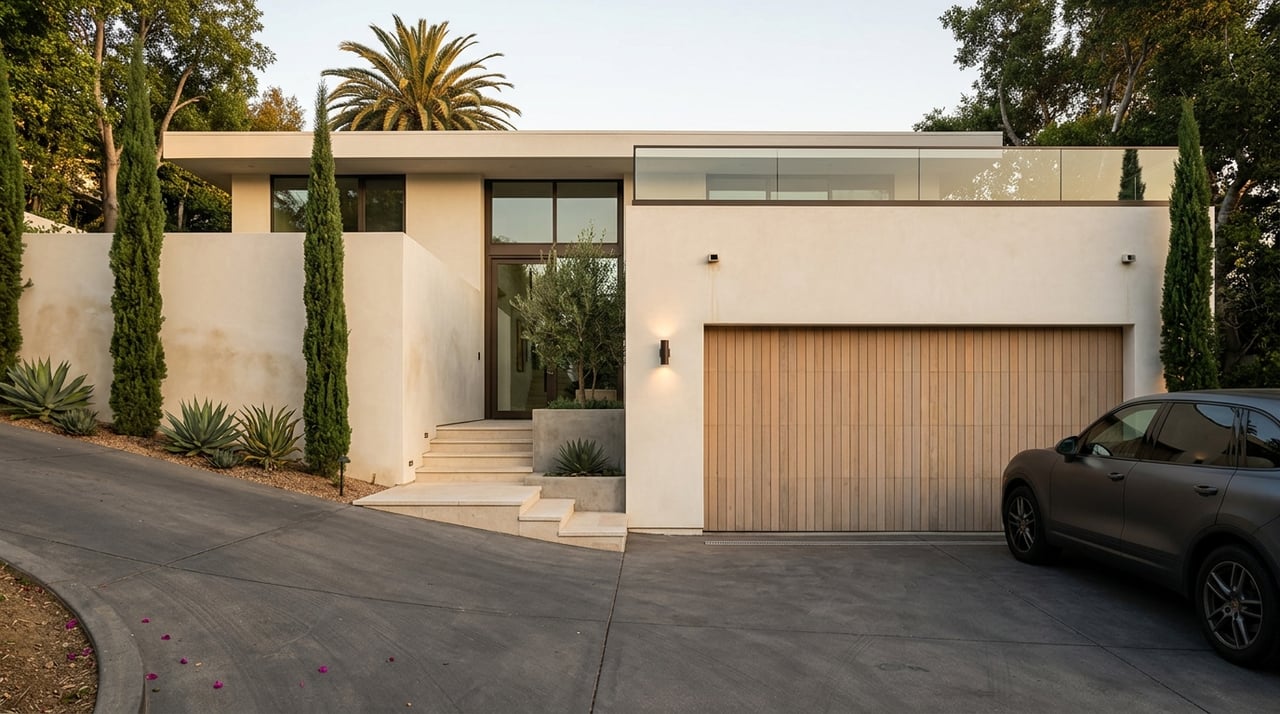
The city’s residential rules support that atmosphere in practical ways. Front-yard hedges and fences are regulated, street-visible driveway parking is limited, and trash and green waste must be stored out of sight. These details may sound administrative, but they help explain why San Marino often feels composed and carefully maintained from block to block.
Mornings Often Start Outside
One of the clearest anchors of daily life in San Marino is Lacy Park. Located in the center of the city between Virginia Road and St. Albans Road, north of Monterey Road, this 30-acre park functions like a shared green room for residents. It offers picnic areas, a playground, open lawn, a war memorial, the historic Rose Arbor, and a wide variety of trees and shrubs.
For many residents, the appeal is in the routine as much as the setting. Lacy Park includes an inner walking loop of about three-quarters of a mile and an outer loop of about one mile, making it easy to imagine a morning walk, a quiet run, or a stroll with your dog on leash.
The park’s access rules also reinforce its local role. As of April 11, 2026, residents enter free with proof of residency, while non-residents pay a $4 weekend fee per person. That structure gives the park a neighborhood quality that feels tied to everyday life rather than occasional use.
Private Gardens Benefit From Long-Term Stewardship
A San Marino garden estate is shaped not only by individual ownership, but also by citywide stewardship. The city’s tree preservation ordinance applies to residential and commercial properties and requires permits for tree removal or severe pruning. That policy helps preserve mature canopy and supports the settled, layered look that many buyers associate with established estate neighborhoods.
In practical terms, this means landscapes here are encouraged to evolve with care. Mature trees, formal gardens, and planted boundaries are not treated as disposable elements. They are part of the visual continuity that gives San Marino its enduring sense of place.
A Day Balances Privacy and Community
One of San Marino’s defining strengths is the balance between privacy at home and access to quiet, local institutions. You can picture a day beginning in a private garden, moving into a park walk or tennis match, then ending with a small gathering at home. That rhythm feels especially natural in a city designed around residential life.
The civic framework reinforces that privacy. The resident guide notes that home businesses are tightly restricted, overnight street parking is limited, and cars are generally expected to be parked in garages. These guidelines help keep the visual tone of the city orderly and residential.
The Huntington Shapes the Cultural Landscape
The Huntington is one of San Marino’s most significant landmarks and an important part of its identity. Founded in 1919 from a private estate, it now includes a major research library, a substantial art collection, and botanical gardens spread across roughly 130 acres with 16 themed gardens.
For residents, The Huntington is more than a destination. It is part of the local cultural atmosphere. Its estate origins, formal gardens, and indoor-outdoor setting echo many of the values that define San Marino itself: stewardship, beauty, and an appreciation for cultivated space.
Clubs and Institutions Add Everyday Texture
San Marino’s social life tends to center on civic, recreational, and cultural institutions rather than high-traffic entertainment districts. That creates a quieter pattern of engagement that many residents value. Community life here often looks structured, local, and long-term.
The San Marino City Club, founded in 1926, describes itself as one of the city’s leading civic organizations. The Rotary Club meets at San Marino Community Church on Virginia Road and highlights service work, while the San Marino Tennis Club sits among the trees of Lacy Park and offers six championship courts, a pro shop, locker rooms, and public daily-use access.
These institutions suggest a lifestyle organized around participation, tradition, and recreation. If you value places where daily life is defined by gardens, service, sport, and familiar routines, that aspect of San Marino may stand out immediately.
Everyday Amenities Stay Intentionally Local
San Marino’s conveniences are understated, which is part of the appeal. The Crowell Public Library on Huntington Drive offers a quiet civic anchor, and the city provides reservable community rooms as well as Lacy Park picnic areas for gatherings. These spaces support family events, community meetings, and informal social life without pushing the city toward a busier commercial identity.
That local scale matters. It allows everyday errands and activities to feel close to home, while keeping the overall experience rooted in residential calm. For many buyers, that is a meaningful part of the value.
What Daily Life May Feel Like at Home
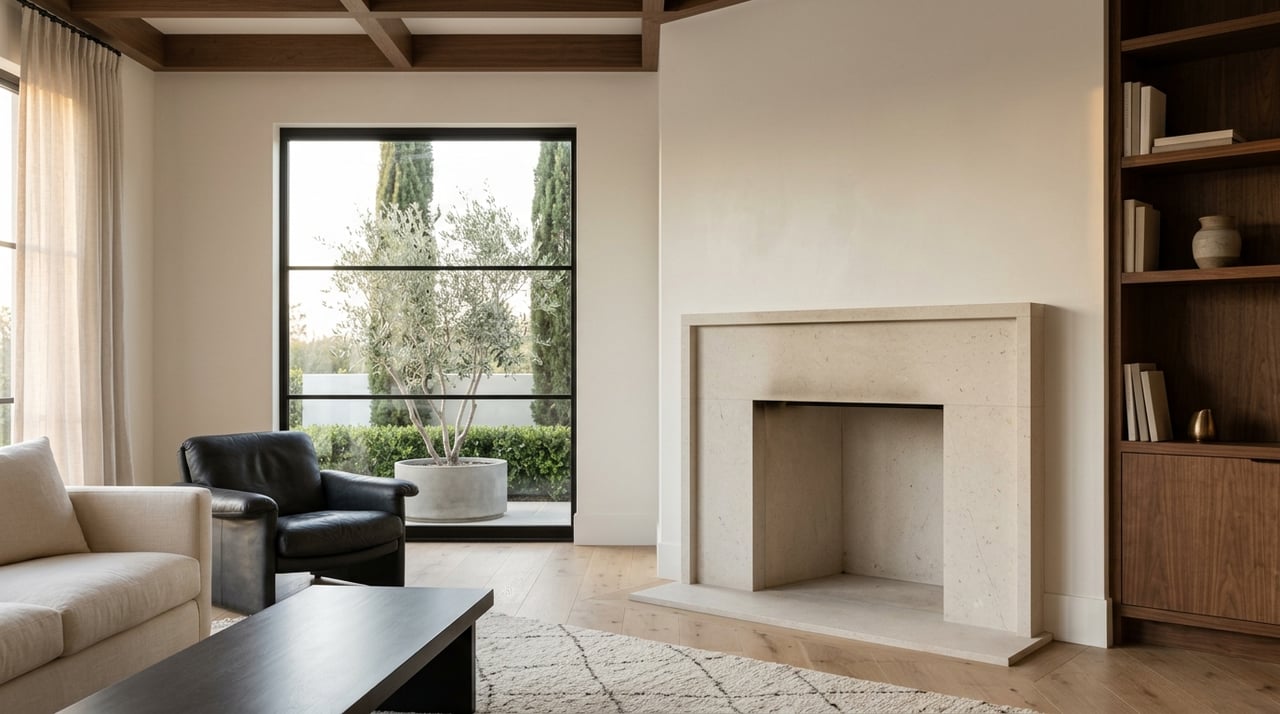
In a San Marino garden estate, daily life is often as much about atmosphere as square footage. You may notice the cadence of wide streets, mature landscaping, and homes set back on generous lots. You may also notice how much the city’s rules and institutions help preserve that feeling over time.
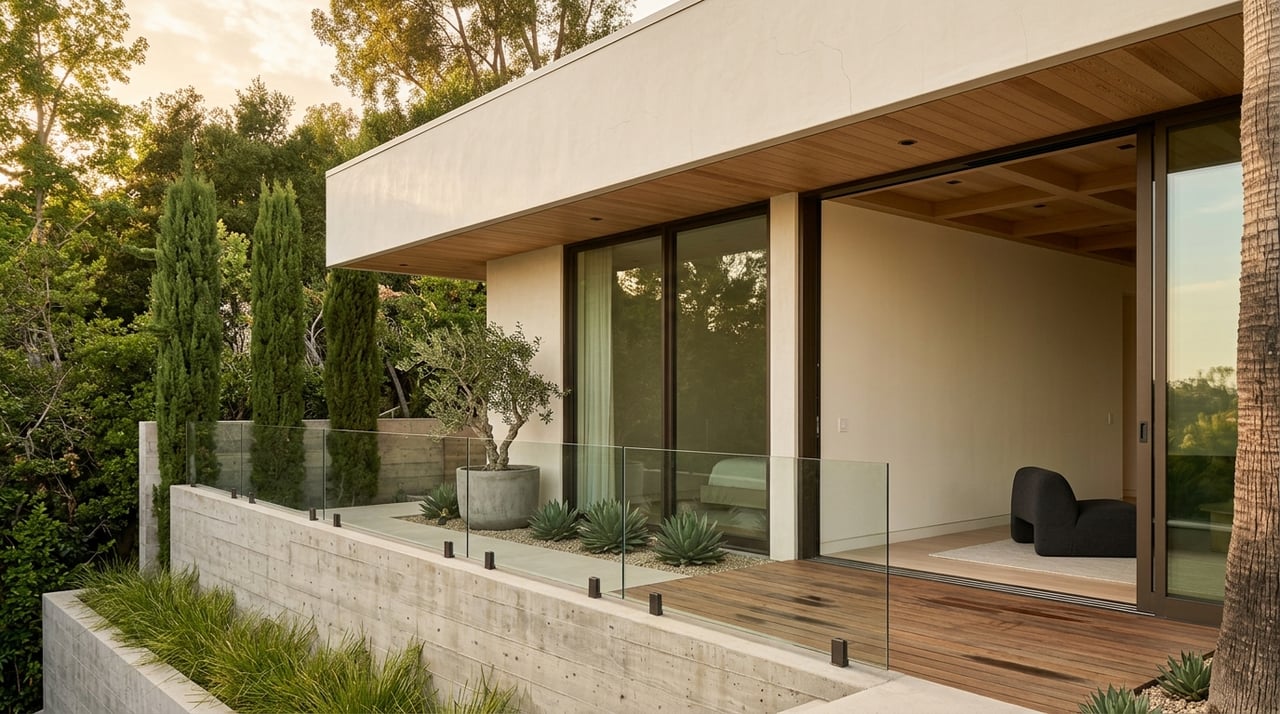
That does not mean life here feels rigid. Instead, it often feels deliberate. A home in San Marino can offer privacy, architectural presence, and outdoor rooms that support entertaining, reading, gardening, or simply stepping away from the pace of greater Los Angeles.
Why This Lifestyle Appeals to Certain Buyers
San Marino tends to resonate with buyers who value permanence, design, and stewardship. If you are drawn to neighborhoods where landscaping is part of the identity, where civic standards remain visible, and where cultural institutions reinforce the local character, San Marino offers a compelling setting.
It can also appeal if you think of a home as a long-term asset with both aesthetic and practical dimensions. In a place like this, architecture and gardens do not function separately. They work together to shape the way you live every day.
If you are considering buying or selling in San Marino, a thoughtful understanding of context matters. Estate properties often carry value beyond size alone, including setting, landscape maturity, and how a home fits into the architectural rhythm of the street. For a confidential conversation about San Marino and other design-driven Los Angeles properties, connect with The Greg Holcomb Group.
FAQs
What is daily life like in San Marino, California?
- Daily life in San Marino is shaped by a residential setting with large lots, wide streets, maintained gardens, local parks, quiet civic amenities, and a strong sense of stewardship.
What makes Lacy Park important to San Marino residents?
- Lacy Park is a 30-acre central park with walking loops, open green space, picnic areas, a playground, and dog-friendly access on leash, making it a key part of many residents’ routines.
How do San Marino rules affect neighborhood appearance?
- The city regulates items such as front-yard hedges and fences, visible parking, and trash storage, which helps maintain an orderly and consistent residential streetscape.
What role do gardens and trees play in San Marino estate living?
- Gardens and mature trees are central to the city’s identity, and tree preservation rules require permits for removal or severe pruning to help protect long-established canopy and landscape character.
What cultural amenities are part of life in San Marino?
- The Huntington is a major local landmark with a research library, art collection, and about 130 acres of botanical gardens, while local clubs, the library, and community spaces add to the city’s everyday cultural life.