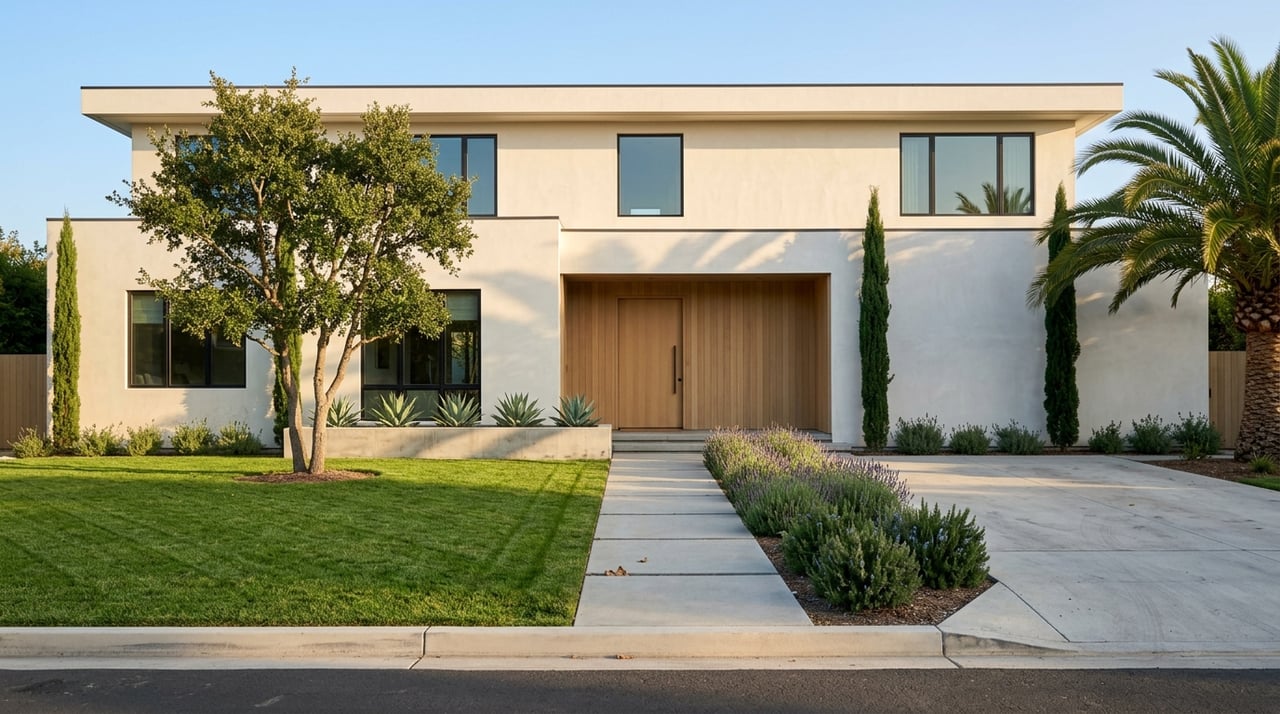
Wondering how to pass on a San Marino estate without turning a deeply personal transition into a public event? If your home carries family history, architectural significance, or both, the path matters as much as the outcome. With the right planning, you can protect privacy, respect the property’s story, and avoid preventable surprises around timing, taxes, and disclosure. Let’s dive in.
Why discretion matters in San Marino
In San Marino, privacy and preparation are not just style choices. They can shape the entire transfer strategy. This is especially true in a market where homes often attract immediate interest and where architectural pedigree may add another layer of complexity.
Recent market data points to a high-end, fairly fast-moving environment. Redfin reported a median sale price of $3,133,125 in May 2026, average days on market of 26, and 65.5% of homes selling above list price over the prior three months. In a setting like this, even small signals to the market can draw attention quickly.
San Marino also has a strong preservation context. The city’s historic framework defines historic resources and landmarks, and a 2020 citywide historic resources survey found 286 resources that appear eligible for landmark listing. If your property has notable architecture, period details, or potential historic status, a quiet transfer deserves careful handling from the start.
Understand what “private” really means
Many owners assume they can test interest quietly and decide later whether to go public. In practice, local listing rules make the line between private and public much sharper.
Under CRMLS rules, public marketing of an exclusive listing triggers MLS submission within one business day. If you want to keep a property out of public view, the most private route described by CRMLS is its Registered path. That option is not displayed in the MLS, has no public marketing, is not distributed through the MLS, and is visible only to the listing agent, listing broker, office managers, and MLS staff.
That last point is critical. If a seller excludes an exclusive listing from the MLS, no marketing may be done. CRMLS states that any marketing, including a yard sign, triggers the one-business-day submission rule.
Coming Soon is not fully private
Some sellers hear “Coming Soon” and assume it offers a discreet middle ground. Today, that is not the same as true off-market privacy.
CRMLS allows a Coming Soon status for up to 21 days while you stage and prepare the home, and showings are prohibited during that time. But for listings entered on or after March 10, 2026, Coming Soon listings are syndicated via IDX to public portals and third-party sites. In other words, it can help with launch timing, but it does not keep the property out of public view.
Seller choice still requires structure
National policy has added more listing-path flexibility, but it has not erased local rules. The Multiple Listing Options for Sellers policy kept Clear Cooperation in place while adding delayed-marketing and office-exclusive exempt options, with seller disclosure and local MLS discretion still required.
For a San Marino estate, that means your privacy goals should be defined before photography, signage, broker communication, or any pre-launch outreach begins. A discreet plan only works when everyone involved understands exactly what can and cannot happen.
Choose the right transfer path
If your goal is to pass the home to family, the legal path matters just as much as the marketing path. California offers more than one way property may transfer, and each path can carry different timing, court, and tax consequences.
California Courts describes probate as the court process for transferring property after death. The courts also note that an estate may need probate even if the person had a will. That surprises many families who assume a will alone avoids court involvement.
Property held in a living trust may transfer without probate in some situations. California Courts also notes that a Transfer on Death deed can avoid probate in some cases. Which route applies depends on how title is currently held and what planning was put in place before the transfer event.
Do not assume a small-estate shortcut applies
High-value homes in San Marino rarely fit simplified transfer procedures. California Courts says the general small-estate affidavit process usually cannot be used for a house, and the separate Affidavit Re Real Property of Small Value is limited to California real property worth $55,425 or less.
For most San Marino estates, that means the real questions are whether the property is in trust, whether probate is required, and how transfer timing may affect taxes and any future sale strategy. Those are planning questions, not paperwork details.
Plan for Proposition 19 early
For many families, the biggest financial issue is not whether the home can transfer. It is what happens to the property tax basis after the transfer.
Under Proposition 19, the parent-child reassessment exclusion became narrower. According to the California State Board of Equalization, a family home may qualify only if the transferee uses it as a principal residence. Rental homes generally do not qualify.
This can have a major effect on long-term carrying costs. If the next owner plans to keep the property as an investment, hold it as a second home, or rent it out, the tax result may differ materially from what families expected under older rules.
Timing matters here too
The Board of Equalization says the claim deadline is within three years of death or transfer, or before a third-party transfer, whichever comes first. Missing that window can have lasting consequences.
Los Angeles County also notes that the annual property tax bill includes the 1% general levy plus debt service and direct assessments, and supplemental bills can follow a change in ownership. That makes transfer timing a planning issue that deserves attention well before any final decision to hold, occupy, or sell the property.
Preserve the home’s story before any launch
If the estate may eventually be sold, thoughtful preparation is about more than repairs and staging. In San Marino, it should also include documenting the property’s architectural and preservation context.
The city’s Certificate of Appropriateness process asks applicants to explain how proposed work is compatible with the Secretary’s Standards and to provide plans, material descriptions, a site plan, and context information. Demolition approvals require additional findings. That tells you something important: provenance, materials, and context are not side notes here.
The Secretary of the Interior’s Standards emphasize retaining historic character and character-defining materials. They also allow rehabilitation for a compatible new use while preserving the features that convey significance. For a design-minded owner, this is a useful framework for deciding what to refresh, what to leave alone, and what should be documented before any public presentation.
What to document now
Before a public launch, it is wise to assemble the home’s factual story in one place. That may include:
- Architect or builder, if known
- Original construction period
- Significant later alterations or additions
- Landscape features that shape the setting
- Any National Register, California Register, or local landmark status
- Any preservation constraints or review considerations
San Marino code also states that properties listed in the National Register or California Register are automatically designated historic landmarks locally. If that may apply to your home, it is better to understand it early than to discover it mid-transaction.
Match the strategy to your real goal
Not every family wants the same outcome. Some want a seamless transfer to the next generation. Others want to evaluate tax exposure first and then decide whether to keep or sell. Some want a private holding period before a carefully timed public debut.
That is why a discreet estate transition should be treated as a sequence, not a single event. First define the ownership and tax path. Then clarify whether the property should remain fully private, quietly prepared, or eventually launched to the broader market.
For architecturally notable homes, this sequencing is even more important. The best outcomes often come from combining legal planning, tax awareness, and design-sensitive presentation rather than making each decision in isolation.
Build the right advisory team
Even when the goals seem straightforward, the details can shift quickly. The transfer path, reassessment outcome, and approval process for future work can all differ based on title, occupancy plans, and the home’s preservation context.
A well-coordinated team typically includes an estate attorney and a CPA. If preservation work or design review may be part of the plan, a preservation-savvy architect or consultant can also be valuable. On the real estate side, you want guidance that understands both confidentiality and how to position an important home without flattening its story.
Discretion is not just about keeping a listing quiet. It is about making measured choices that protect value, reduce friction, and honor the property’s legacy. If you are weighing a family transfer, a future sale, or both, The Greg Holcomb Group can help you shape a confidential strategy around your property.
FAQs
What does private listing status mean for a San Marino estate?
- Under CRMLS, a Registered listing is the least visible path described in the research, with no public marketing, no MLS display, and visibility limited to the listing agent, listing broker, office managers, and MLS staff.
Can a San Marino home be marketed quietly without going into the MLS?
- If a seller excludes an exclusive listing from the MLS, CRMLS says no marketing may be done, and any marketing, including a sign, triggers the one-business-day MLS submission rule.
Is Coming Soon private for a San Marino property sale?
- No. CRMLS Coming Soon can delay showings for up to 21 days while you prepare the home, but listings entered on or after March 10, 2026 are syndicated to public portals and third-party sites.
Does a will avoid probate for a California estate home?
- Not necessarily. California Courts says probate is the court process for transferring property after death, and an estate may still need probate even if the person had a will.
Can a San Marino house transfer with a small-estate affidavit?
- Usually no. California Courts says the general small-estate affidavit process generally cannot be used for a house, and the Affidavit Re Real Property of Small Value applies only to California real property worth $55,425 or less.
How does Proposition 19 affect a family home transfer in California?
- The California State Board of Equalization says a family home may qualify for the parent-child reassessment exclusion only if the transferee uses it as a principal residence, while rental homes generally do not qualify.
Why should historic status matter before selling a San Marino estate?
- San Marino has a preservation framework, and some properties may be subject to review standards or landmark considerations, so documenting the home’s architecture, alterations, and any designation status early can help shape a smarter strategy.