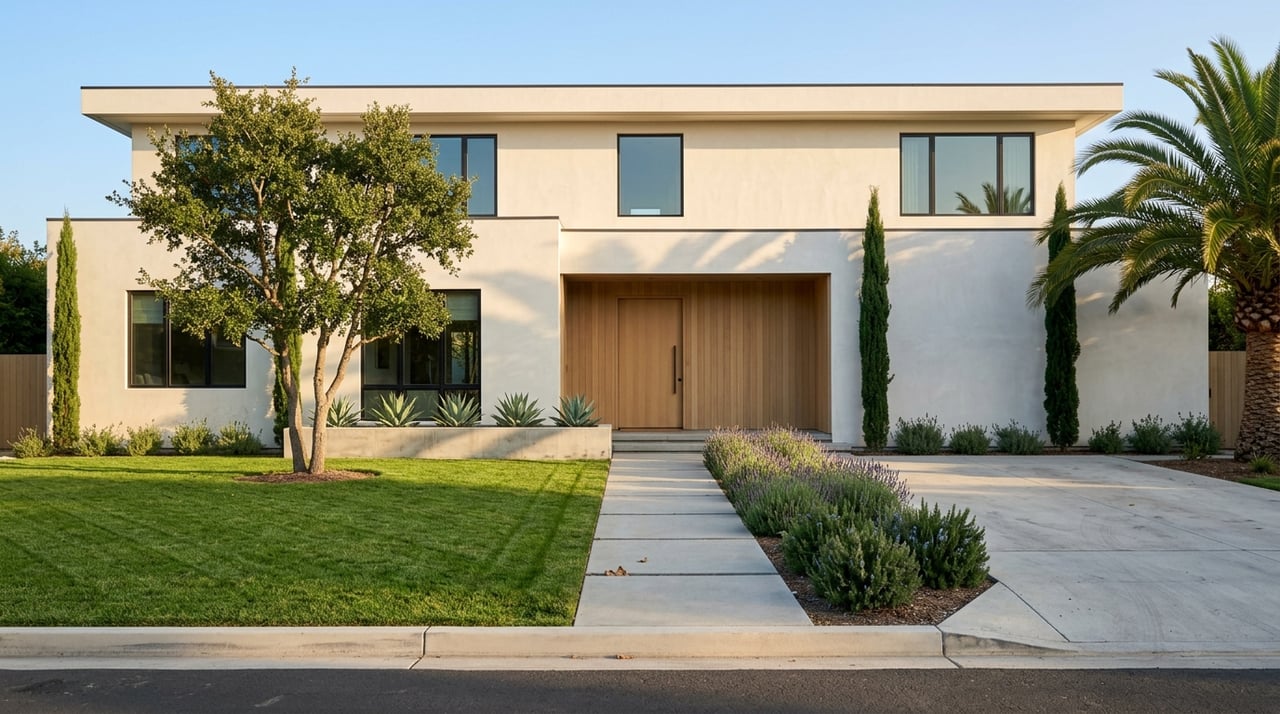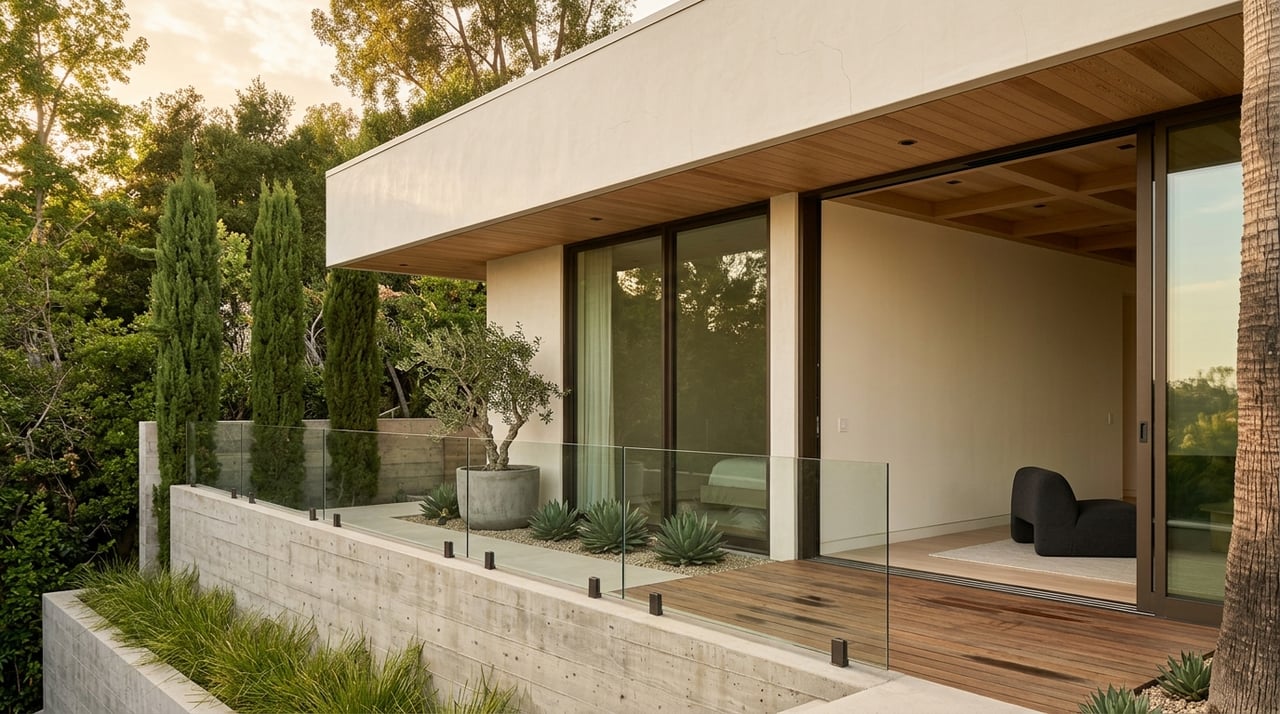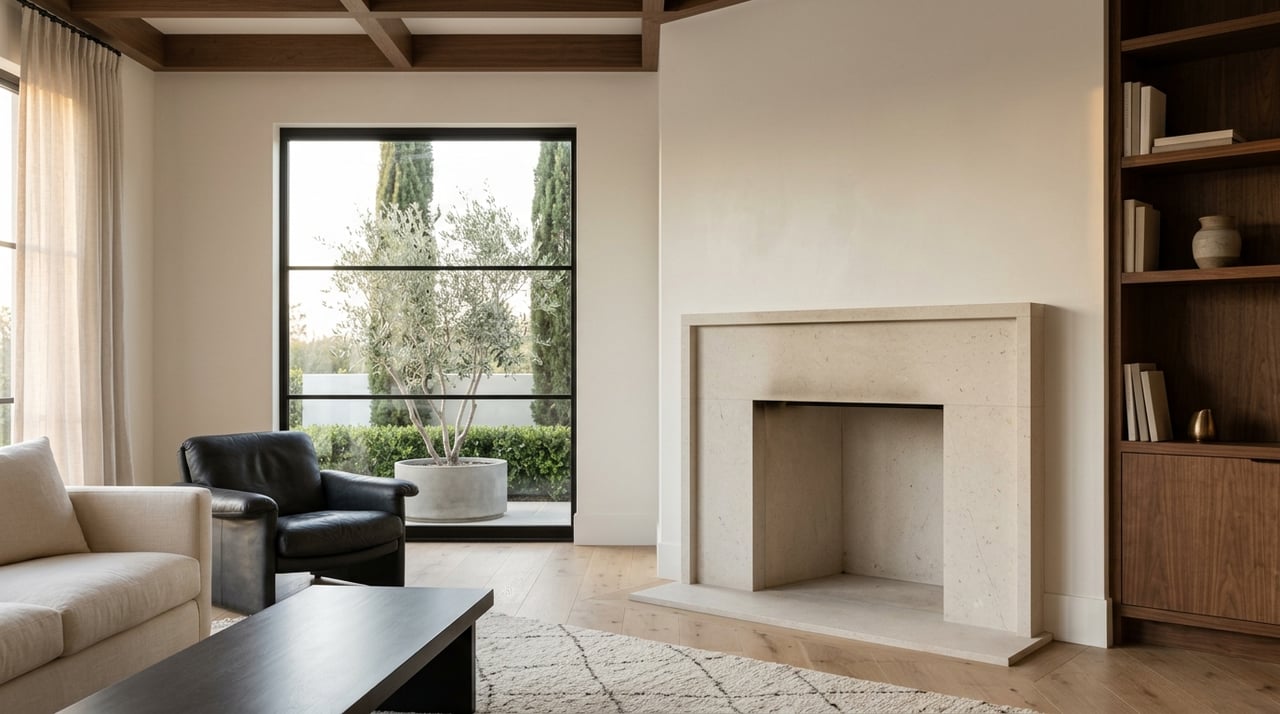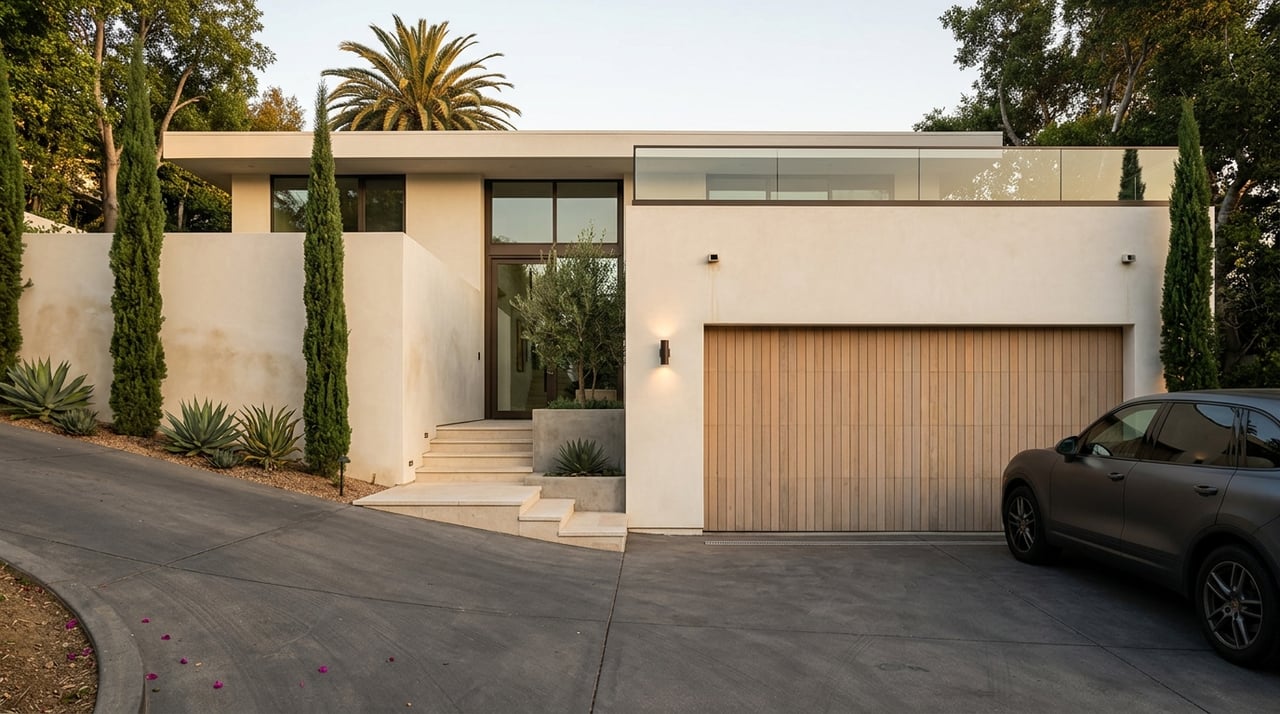
What if the feature that sells you on a home is also the thing that shapes your daily routine? In the Hollywood Hills, the views, terrain, privacy, and design appeal are not just aesthetic perks. They affect how you arrive home, where guests park, how outdoor space is used, and what it means to be prepared. If you are wondering what hillside living in Hollywood Hills really feels like, here is a grounded look at the rhythm of life behind the postcard image. Let’s dive in.
Hollywood Hills feels shaped by topography
Hollywood Hills does not read like a flat, predictable grid. City planning materials describe hillside neighborhoods as places that follow the natural contours of the land, with sloping sites, mature vegetation, public stairways, and homes positioned to open toward expansive views.
That physical setting gives the area a distinct sense of separation from the streets below. Instead of a standard block-by-block pattern, the experience is more layered, more vertical, and often more dramatic. You feel the land here in a way you simply do not in flatter parts of Hollywood.
Views are part of everyday life
For many buyers, the emotional draw starts with the outlook. In the hills, a view is often not a once-in-a-while luxury. It becomes part of your morning light, your evening routine, and the way your home relates to the city.
That connection to open space is part of the broader lifestyle. Griffith Park, with more than 4,210 acres of natural area and parkland, sits as a major nearby presence. It adds to the sense that nature is not far away, even while you remain tied to one of Los Angeles' most recognizable urban centers.
Open space comes with real-world patterns
The natural setting is appealing, but it is not always quiet or empty. Visitor guidance for Griffith Park notes that higher elevations can be congested, with limited parking on weekends, holidays, and summer days.
That is a useful reality check if you are imagining hillside life as total retreat. The Hollywood Hills can feel tucked away, but certain areas are also close to major destination traffic. Depending on your street and your proximity to well-known routes, you may feel that push and pull between seclusion and visibility.
Daily life is more car-first here
One of the clearest differences between hillside living and life in the flats is how you move through the neighborhood. City documents repeatedly flag narrow, winding, and in some cases substandard hillside streets, along with limited access, roadway grade, dead ends, and visibility issues as recurring safety factors.
In practical terms, that means your home search should include more than square footage and finishes. You will want to pay close attention to approach roads, turning movements, driveway ease, and how comfortable the route feels both day and night.
For many residents, the car remains central to the daily routine. Even if you spend plenty of time in walkable parts of Los Angeles, the immediate experience of a hillside home is usually more arrival-driven than pedestrian-driven.
Parking matters more than buyers expect
In the Hollywood Hills, parking is not a small detail. It is often one of the clearest quality-of-life factors in a property.
City transportation records and council actions have addressed tour-bus restrictions on multiple Hollywood Hills streets because roadway geometry, parking availability, narrow parking lanes, and steep or winding conditions can create hazards. The city also highlights red-flag parking restrictions during wildfire conditions.
That context helps explain why off-street parking, garage capacity, and guest parking can carry extra weight in the hills. In flatter neighborhoods, curb parking may feel like an inconvenience issue. In the hills, it can become a daily logistics issue.
What to look for in parking access
If you are evaluating a home in the Hollywood Hills, pay close attention to:
- Garage size and ease of entry
- Driveway slope and turning radius
- Room for guest parking on-site
- Street width near the property
- Whether deliveries and service vehicles can access the home comfortably
These details may not photograph as dramatically as a terrace or view corridor, but they can shape daily comfort in a meaningful way.
Privacy is real, but not absolute
Privacy is one of the most powerful reasons people gravitate to hillside properties. Elevation, vegetation, and the layout of the land can create a sense of remove that feels hard to replicate elsewhere in Los Angeles.
At the same time, privacy in Hollywood Hills depends heavily on micro-location. City transportation records show that residents pushed for tour-bus restrictions on streets considered unsafe, and the adopted restrictions were intended to prevent sightseeing traffic from clogging narrow residential roads or blocking driveways.
So yes, the romance of privacy is real. But in some pockets, especially on well-known view routes or architecturally visible streets, visitor traffic can be part of the tradeoff.
The site often drives the architecture
For design-minded buyers, this is one of the most compelling parts of hillside living. In the Hollywood Hills, the lot itself often shapes the architecture in a direct way.
Based on the city's description of hillside lots and view-sensitive development, sloping and irregular sites tend to reward terraces, decks, stepped massing, and siting that protects privacy while opening toward the landscape. The result is often a home that feels more tailored to place than a conventional flat-lot residence.
That is part of why the hills continue to attract buyers who care deeply about form, light, and spatial experience. A well-sited hillside home can feel less like a standard product and more like a response to the land itself.
Why design reads differently in the hills
In a hillside setting, strong design often shows up in practical ways:
- Indoor-outdoor spaces positioned around views
- Floor plans that step with the grade
- Terraces and decks that extend living space
- Siting that balances openness with discretion
- Architecture that uses elevation to create light and separation
For many buyers, that relationship between structure and terrain is where the Hollywood Hills becomes especially memorable.
Wildfire readiness is part of ownership
This is one of the most important realities to understand clearly. In hillside communities, wildfire readiness is not occasional. It is part of responsible ownership.
The State Fire Marshal notes that hazard mapping considers vegetation, terrain, climate, wind, embers, and fire history, and also notes that fire burns faster up steep slopes. LAFD says hillside communities remain under continuous threat of devastating wildfire and directs residents to tools and practices that include Genasys Protect, brush clearance, red-flag parking restrictions, and home-hardening resources.
That means the Hollywood Hills lifestyle includes a planning mindset. The scenery and seclusion are real advantages, but they come with a need for ongoing awareness, maintenance, and preparation.
Wildfire planning is part of the routine
For hillside homeowners, readiness often includes:
- Staying current on local emergency alerts and protective guidance
- Maintaining brush clearance as required
- Understanding red-flag parking restrictions
- Reviewing access conditions around the property
- Evaluating home-hardening opportunities over time
Recent LAFD reporting on a Hollywood Hills structure fire noted difficult access and erratic winds. That is a sobering reminder that terrain affects not only beauty, but emergency response as well.
The hills feel different from the flats below
The city draws a clear distinction between hillside neighborhoods and the flatlands. Planning materials describe the flatlands as a dense urban environment with a strict street grid, while the hillsides follow natural contours.
That difference shows up in mood as much as planning. The flats can feel immediate, active, and urban. The hills often feel more secluded, more irregular, and more shaped by land, vegetation, and viewpoint.
Current city policy also aims to preserve stable hillside and low-density neighborhoods while directing new growth toward transit-oriented districts and corridors. For buyers, that helps explain why the hills often retain a distinct physical identity within the larger Hollywood setting.
Hollywood's creative identity still surrounds you
Even in its quieter residential pockets, Hollywood Hills remains part of a broader local economy and cultural identity tied to media, entertainment, tourism, and transit infrastructure. City planning documents describe Hollywood as world-renowned for media and entertainment, with studios, media production, and related uses still vital to its identity.
That backdrop matters. Hillside living can feel secluded, but it is not disconnected. You are still living within a part of Los Angeles that carries creative, cultural, and professional gravity.
For many residents, that blend is the appeal. You get a setting that feels physically removed from the street grid below, while remaining closely tied to the energy and infrastructure of greater Hollywood.
What hillside living really feels like
At its best, hillside living in Hollywood Hills feels cinematic, design-forward, and deeply tied to place. You notice the angle of the light, the shape of the road, the rhythm of arriving home, and the way architecture can frame the city beyond it.
It also feels practical in ways first-time hillside buyers do not always expect. Access, parking, guest flow, privacy patterns, and wildfire readiness are not side notes. They are part of the lived experience.
If you are drawn to the Hollywood Hills, the key is to see both sides clearly. The romance is real, and so are the responsibilities. When a property aligns with how you actually live, the result can feel uniquely Los Angeles.
If you are considering a move in the hills or preparing to position a distinctive property for sale, The Greg Holcomb Group offers a discreet, design-minded approach shaped by deep local perspective.
FAQs
What makes Hollywood Hills feel different from flat neighborhoods in Hollywood?
- Hollywood Hills follows the natural contours of the land rather than a strict street grid, which creates a more vertical, winding, and view-oriented living experience.
What is daily driving like in Hollywood Hills?
- Daily driving in Hollywood Hills is often shaped by narrow, winding roads, limited access, steep grades, dead ends, and visibility considerations, so route comfort matters when choosing a home.
Why is parking so important for Hollywood Hills homes?
- Parking matters more in Hollywood Hills because steep and narrow streets can limit curb access, making off-street parking, garage space, and guest accommodations especially valuable.
Is privacy easy to find in Hollywood Hills?
- Privacy can be a major advantage in Hollywood Hills, but some streets also experience visitor and sightseeing traffic, so the level of privacy depends a lot on the specific location.
How does wildfire risk affect Hollywood Hills living?
- Wildfire readiness is a routine part of ownership in Hollywood Hills, with terrain, vegetation, wind, access, brush clearance, parking rules, and home hardening all playing a role.
Why do homes in Hollywood Hills often have distinctive architecture?
- Homes in Hollywood Hills often reflect the land itself, with sloping lots encouraging terraces, decks, stepped layouts, and siting that takes advantage of views and privacy.