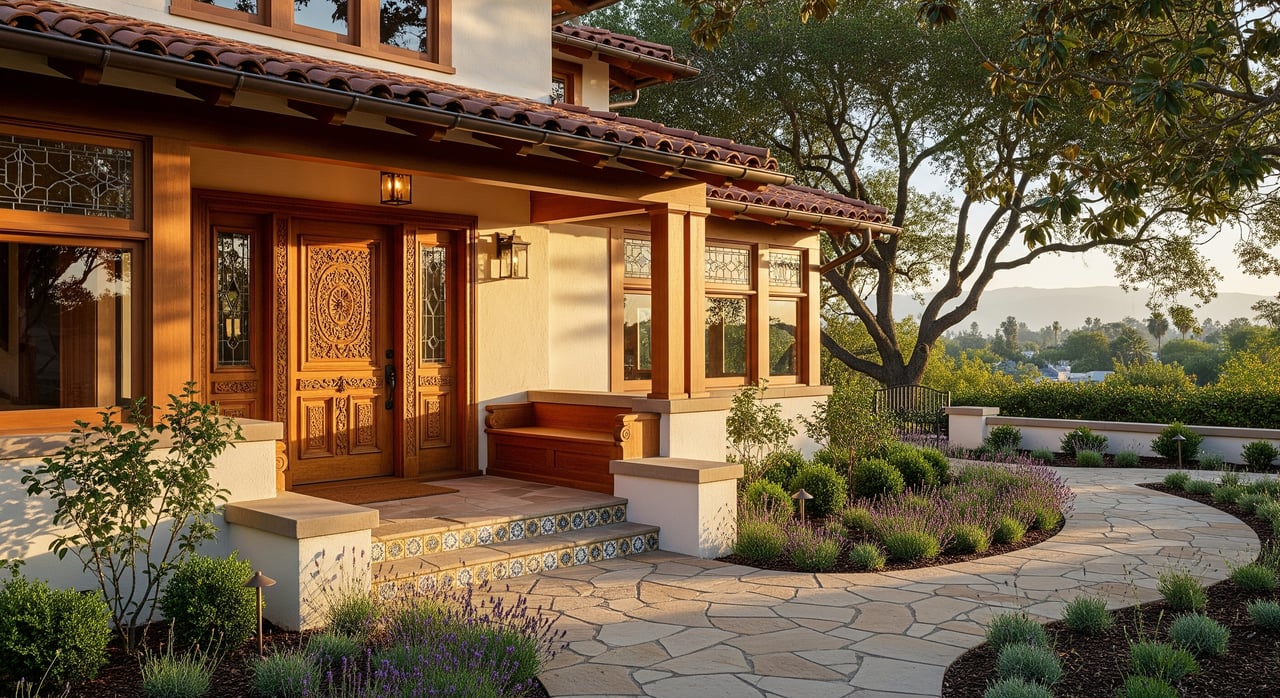
Thinking about selling your Craftsman, Greene & Greene, or Mid-Century gem in Pasadena? You are not just listing a house, you are passing along a piece of the city’s architectural story. With the right preparation and presentation, you can honor that legacy while maximizing value. In this guide, you will learn how to document provenance, prepare your home with sensitivity, navigate disclosures and preservation issues, and position your property to attract well-qualified, preservation-minded buyers. Let’s dive in.
Know your home’s historic status
Pasadena designations and districts
Pasadena’s preservation framework starts locally. Many homes fall within local historic districts or hold individual landmark status. Local designation is what drives day-to-day permits, design review, and the scope of changes a future owner may make, especially to the exterior. If your property sits in a designated district or is a landmark, buyers will want clarity on review requirements and timelines for any alterations.
State and federal recognition
Some properties are listed on the California Register of Historical Resources or the National Register of Historic Places. State and federal recognition can help substantiate architectural significance. For private residences, national listings are mainly honorary but can influence buyer perception and, in certain cases, eligibility for preservation-related programs. Keep copies of any listing or nomination reports to share with prospective buyers.
Easements and recorded restrictions
A preservation or conservation easement is a private, recorded agreement that can limit alterations and will survive a sale. If one exists, it is a material fact to disclose. Provide the recorded document, a plain-language summary of its obligations, and contact information for the easement holder so buyers understand what it means for stewardship.
Gather provenance that sells
Core documents to collect
Treat your home’s history like a curated dossier. Assemble:
- Chain of title and deed history.
- Architect and builder information, plus any original plans, drawings, or blueprints.
- Historic designation paperwork and nomination reports.
- Historic photos, clippings, and advertisements showing original appearance and alterations.
- Permit records and plan sets, including any rehabilitation or retrofit documentation.
- Maintenance logs, contractor invoices, warranties, and recent inspection reports.
- As-built or measured floor plans and high-quality current photography, with detail shots of character-defining elements.
- Any conservation easement, restrictive covenant, or HOA rule affecting the property.
Where to find the records
Look to Pasadena’s municipal records and local archives. City permit databases and the Building and Safety Division can confirm work history. The Los Angeles County Assessor and Recorder can help trace title and historic parcel maps. Pasadena Heritage, the Pasadena Museum of History, and public library collections are excellent sources for photographs, directories, and period newspapers. For nationally documented properties, the Historic American Buildings Survey may have measured drawings or images.
Build a buyer-ready heritage packet
Present your provenance with primary evidence. Include copies of nomination forms, dated photos, and verified architect attributions. If an attribution is uncertain, use careful language such as “attributed to” rather than stating it as fact. Package this history together with inspection reports, permits, and a repair log to create a concise heritage packet that reduces buyer uncertainty and supports value.
Prepare for market with care
Sensitive staging that honors details
Staging should spotlight, not overshadow. Use neutral furnishings that frame original windows, built-ins, beams, and cabinetry. Avoid rugs or oversized furniture that conceal floors or craftsmanship. Commission architectural photography that captures wide shots for flow and close-ups of joinery, hardware, and other distinctive elements.
Repairs to prioritize
Focus on safety, operability, and obvious deferred maintenance. Address roof leaks, active pest issues, electrical hazards, or foundation concerns before listing when possible. Avoid cosmetic changes that remove historic fabric, such as replacing original wood windows with incompatible materials or stripping intact woodwork. If replacement is unavoidable, choose in-kind or visually compatible materials and document your rationale and contractor qualifications.
Inspections to order early
Getting ahead of questions builds trust and keeps contracts from derailing. Common pre-listing inspections include:
- General home inspection.
- Pest and termite inspection with any wood-destroying organism reports.
- Electrical evaluation, especially if knob-and-tube wiring or older panels may affect insurance or financing.
- Plumbing, HVAC, and roof inspections to confirm status of major systems.
- Structural or seismic assessment, particularly if there are known concerns or retrofit work to document.
- Screening for hazardous materials where appropriate, including lead paint in pre-1978 homes and potential asbestos in older finishes or insulation.
Lead, asbestos, and safety disclosures
Federal rules require a lead-based paint disclosure and provision of the EPA/HUD lead pamphlet for most residential properties built before 1978. If you know of asbestos or prior abatement, disclose that information and keep related reports handy. Buyers appreciate transparency, and early disclosure speeds underwriting and due diligence.
Permits and unpermitted work
Unpermitted additions are not uncommon in older homes. Research your permit history and disclose known unpermitted work. Confirming the status of past projects through City records avoids late surprises, keeps escrow on track, and prevents issues with appraisals and lender approvals.
Disclosures and buyer expectations
California forms you will complete
California sellers must disclose known material facts that affect value or desirability. Expect to complete the Transfer Disclosure Statement and a Natural Hazard Disclosure, the latter identifying whether the property lies in a flood, fire, or earthquake fault zone. Pre-1978 homes require a lead-based paint disclosure. Any recorded easements, covenants, preservation contracts, or restrictions, including Mills Act contracts or conservation easements, must also be disclosed.
How designation affects perception
Local landmark status or district location often reassures buyers who value neighborhood character. It can also signal that design review will be required for changes, which some buyers view as a thoughtful safeguard. Be clear about what is regulated, how the review process works, and typical timelines so expectations are realistic.
Incentives, including Mills Act
In many California cities, qualifying historic properties may receive property tax relief under a Mills Act contract. These contracts are administered locally and involve recorded obligations. If your home benefits from a contract, share the agreement, program terms, and recent tax bills. If no contract exists, avoid making assumptions about eligibility and encourage buyers to verify details with local authorities.
Financing and insurance considerations
Condition matters to lenders and insurers. Significant deferred maintenance or unpermitted work can hinder some conventional loans. Buyers may explore renovation financing such as FHA 203(k) or Fannie Mae HomeStyle, depending on lender availability and scope. Insurance premiums may be higher for older systems or hillside and fire-zone exposure. Provide documentation of seismic retrofits and system upgrades to support underwriting, and consider highlighting contractors with preservation experience to guide buyers post-close.
Pricing and positioning
Appraisal factors for historic homes
Valuation for unique properties is nuanced. Appraisers familiar with historic resources weigh the integrity of character-defining features, documented significance, and how the property functions for today’s living. Architectural pedigree and intact details can command a premium, while recorded restrictions or functional limitations may influence pricing. An appraisal or broker opinion from professionals experienced in Pasadena’s historic market can provide a grounded range before you list.
Market strategy that attracts the right buyers
Lead with authenticity. Emphasize provenance, intact features, and documented care to draw preservation-minded buyers. Balance that with clarity about maintenance needs and future stewardship responsibilities. Share your heritage packet and key inspection findings early to focus interest from serious, qualified prospects and prevent late-stage cancellations.
Pre-listing checklist
- Gather provenance and archival materials, including deeds, historic photos, architect records, and designation documents.
- Pull permit and title records. Identify any recorded easements, covenants, or restrictions.
- Order key inspections: general, pest, electrical, structural or seismic as needed, plus screening for lead or asbestos in older homes.
- Compile maintenance records, warranties, and a log of permitted repairs.
- Address essential safety and operability repairs. Plan subtle staging that preserves original fabric.
- Prepare required California disclosures, including the Transfer Disclosure Statement, Natural Hazard Disclosure, and lead materials for pre-1978 homes. Be ready to disclose any preservation contracts or easements.
- Engage specialists as needed, such as a preservation-minded contractor, structural engineer, historic preservation architect, appraiser, and a listing agent experienced with historic homes.
- Create a buyer-facing heritage packet with provenance materials, permit history, inspections, warranties, and measured floor plans and photography.
Why list with The Greg Holcomb Group
You want a team that treats your home as a cultural asset, not a commodity. The Greg Holcomb Group brings editorial, architecture-first marketing that highlights provenance, architect credits, and collectible photography. You benefit from boutique discretion paired with broad reach, aligning a thoughtful presentation with serious, design-minded buyers. The team’s deep local ties and stewardship mindset support the full process, from curating documentation to coordinating inspections, photography, and a strategic launch that honors the architecture while maximizing value.
Ready to talk about your Pasadena home? Start a confidential conversation with The Greg Holcomb Group.
FAQs
What should Pasadena sellers of historic homes assemble before listing?
- Create a heritage packet with provenance, permits, inspection reports, measured plans, warranties, and high-quality photography to reduce buyer uncertainty.
How do local Pasadena designations affect a home sale?
- Local landmark or district status can require design review for alterations, so disclose status and provide guidance on the review process and typical timelines.
Do I need to disclose lead or asbestos in an older Pasadena home?
- For pre-1978 homes you must provide a lead-based paint disclosure and pamphlet; disclose any known asbestos and prior abatement with supporting reports.
How does a Mills Act contract impact buyers in Pasadena?
- A Mills Act contract is recorded, can reduce property taxes, and carries obligations; provide the agreement and recent tax bills so buyers understand requirements.
Will unpermitted work slow my Pasadena escrow?
- Yes, unpermitted additions can delay appraisals and financing; confirm permit history with the City and disclose known unpermitted work to avoid surprises.
How are Pasadena’s architecturally significant homes appraised?
- Appraisers consider integrity of original features, documented significance, functional layout, and recorded restrictions when selecting comps and setting value.