What draws you to the Hollywood Hills is more than a view. It is a living gallery of ideas in glass, concrete, steel and stucco, where every curve of the road reveals a new point of view. If you love design, you want a home that looks extraordinary and lives well day to day. This guide gives you a clear look at the Hills’ most notable styles, how those choices shape everyday life, and the practical checks that protect your investment. Let’s dive in.
What makes Hollywood Hills architecture unique
The Hills hold a rare mix of architectural voices in one compact landscape. You will see midcentury modern icons near Hollywood Regency drama, period revival charm, and contemporary glass pavilions with gravity-defying pools. Many homes perch on steep slopes, which drives both the design and the engineering behind it. That combination makes for unforgettable living and very specific due diligence.
Signature styles you’ll find
Midcentury Modern and Case Study DNA
From the 1940s through the 1960s, midcentury modern reshaped Los Angeles living. In the Hills, you will find open plans, post-and-beam structures, clerestory windows, and floor-to-ceiling glass that erase the line between inside and out. Classic touchstones include the Case Study House movement, with the Stahl House, Case Study House #22 by Pierre Koenig, often referenced for its city-light panorama. Architects like Richard Neutra, John Lautner, and Craig Ellwood influenced the area’s aesthetic.
How they live: you get flexible entertaining spaces, honest materials, and framed views. You also inherit details that need specialist care, such as flat roofs, expansive glazing, long cantilevers, and sealants that age under sun and wind.
Hollywood Regency and period revival homes
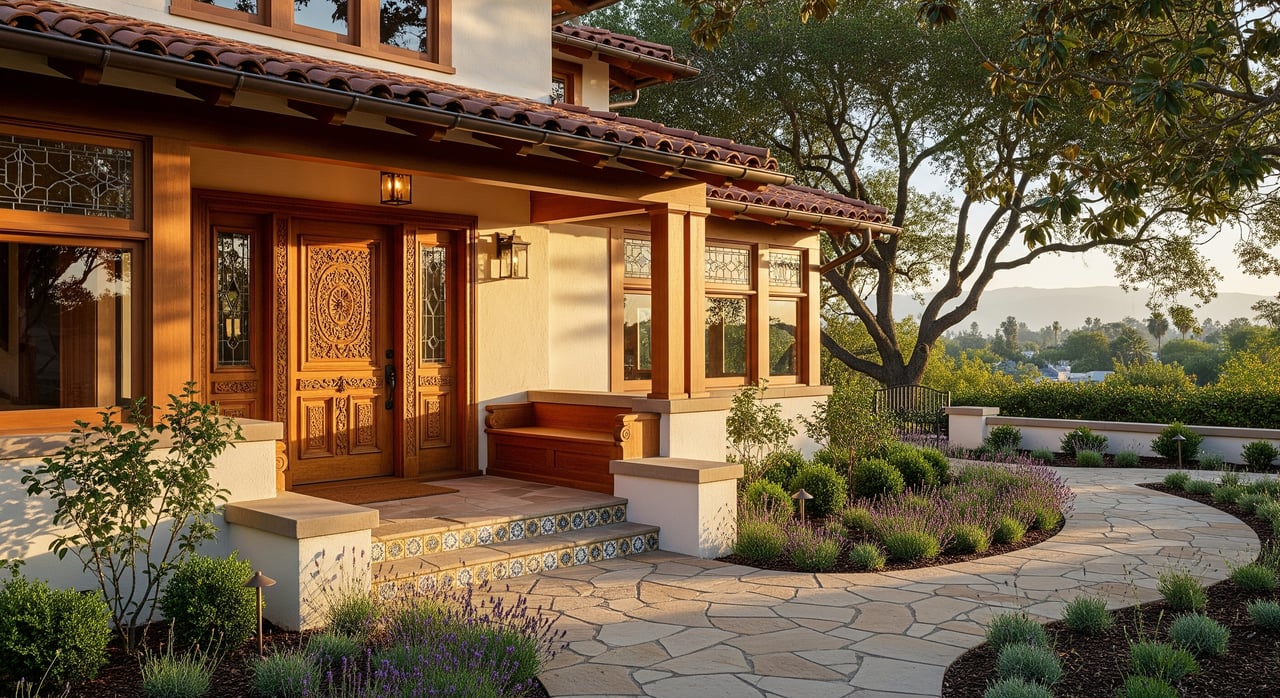
Built largely in the 1920s through the 1940s, these homes favor theatrical interiors and formal rooms. You may see arched openings, stucco or plaster exteriors, decorative ironwork, and tile roofs. Windows are often smaller than in modern glass boxes, which shifts the feeling of light and privacy.
How they live: compartmentalized floor plans offer separation for work, sleep, and formal dining. Maintenance priorities differ from modern houses, with attention to stucco, tile roofs, and waterproofing at terraces.
Contemporary glass-and-concrete pavilions
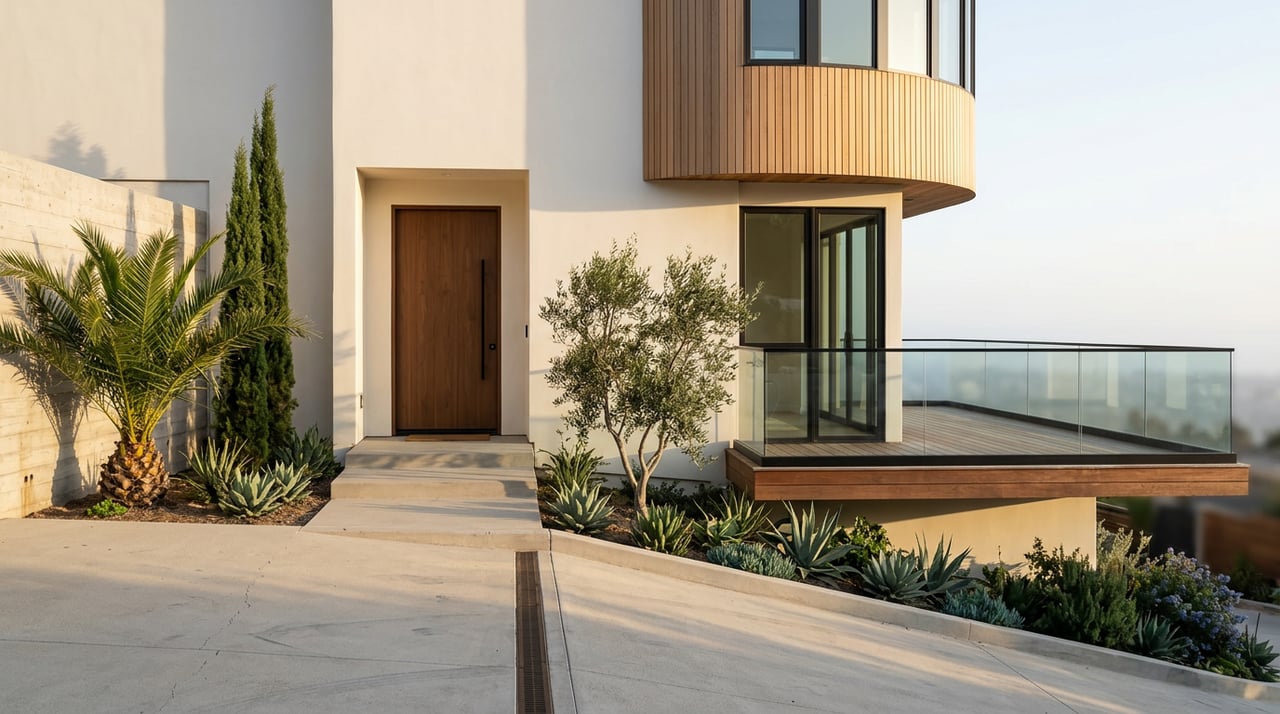
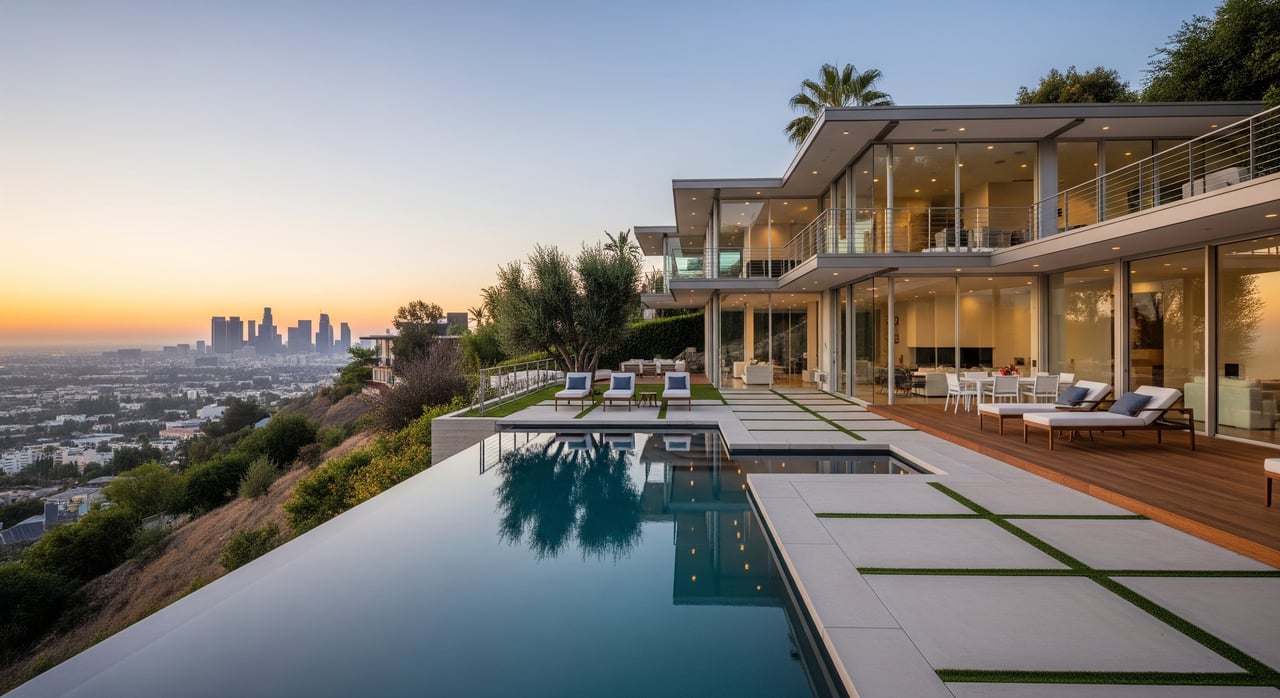
From the 1990s forward, many new hillside houses adopt a high-design approach. Expect large-format glass with minimal mullions, exposed concrete, steel beams, and smart systems integrated throughout. Site strategies can be bold, with engineered bridges, multi-level terraces, and pools cantilevered over the slope.
How they live: the architecture centers the view and outdoor spaces. The engineering is advanced, so you want detailed records for structure, drainage, and access. These are sculptural homes that reward careful review.
Hillside vernacular and adaptive retrofits
You will also find older cottages and bungalows that have grown into stacked, multi-level homes. These often mix original framing with newer structural inserts to navigate the slope.
How they live: expect many stairs and hybrid construction. Permit histories can be patchwork, which calls for a thorough records check and a sharp eye for hidden technical issues.
How design shapes daily life
Floor plans and circulation
Open plans in midcentury and contemporary homes feel expansive and social, with long sightlines and indoor-outdoor flow. Split levels and stairs are common on slopes, so consider mobility needs now and in the future. Period homes offer more defined rooms that support privacy and focused work but may feel smaller at a similar square footage.
Light, views, and orientation
Hillside design seeks daylight and views of city lights, canyons, and sometimes the ocean. Large glazed walls can raise cooling loads and fade finishes over time. Thoughtful shading, overhangs, and quality glazing help balance comfort and clarity.
Indoor-outdoor living and terraces
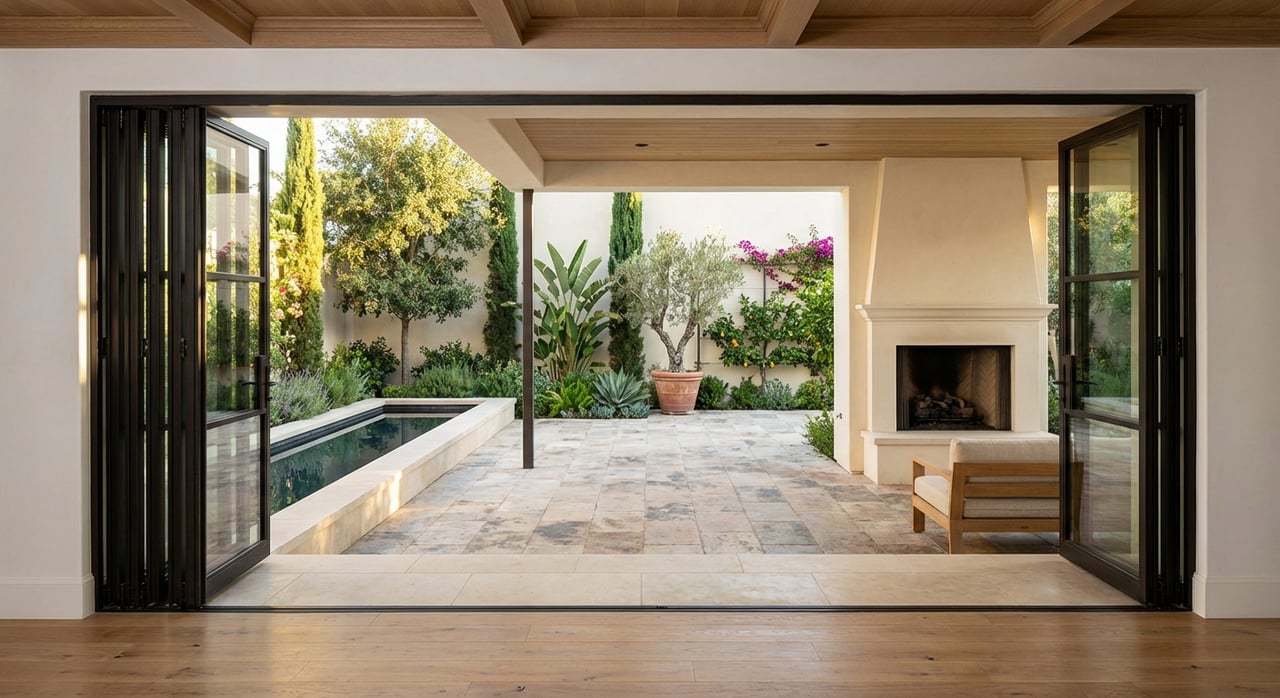
Decks, terraces, and overhanging patios extend living space into the landscape. They also add maintenance points at flashing, drainage, and surfaces exposed to sun and wind. Pools and infinity edges are showpieces that require structural and water-use consideration.
Acoustics and privacy
Glass-heavy façades reduce sound insulation. A hillside perch can quiet street noise but may open views between neighbors on nearby ridgelines. Plan for window treatments and landscape strategies that add privacy without compromising design.
Systems and performance
Many architecturally significant homes predate today’s HVAC, insulation, and glazing standards. Discreet upgrades can improve comfort without erasing character. Structural systems like cantilevers and exposed beams are beautiful but benefit from review by engineers who understand hillside construction.
Hillside realities to factor in
Slopes, soils, and retaining walls
Steep sites define the Hills. Most substantial work will have a geotechnical or soils report, and you should secure current guidance when planning changes. Focus on slope stability, the condition of retaining walls, and foundation systems such as piles, caissons, and grade beams. Confirm whether any grading or wall was built without permits.
Permits, historic status, and alterations
Architect-designed homes often carry complex records. Pull a full permit history with the Los Angeles Department of Building and Safety. Check the City of Los Angeles Department of City Planning and the Office of Historic Resources for any landmark designations or historic overlays that affect what you can change. Unpermitted work is not rare, especially for decks, guest spaces, or equipment rooms.
Wildfire exposure and readiness
Much of the Hollywood Hills lies in or near high fire-hazard zones. Verify defensible space, brush clearance, and compliance with local fire department requirements. Roofing, vents, and decking materials can influence risk and insurability. Expect premiums to reflect exposure and plan ahead with your insurance team.
Earthquake safety and structure
Older homes may not have modern seismic reinforcement like bolted sill plates or shear walls. Retrofitting is common and often advisable. Unusual structures, including dramatic cantilevers and pylons, deserve specialized structural assessment.
Drainage and water management
Good drainage is essential on slopes. Inspect roof drains, yard drains, and grading. Review the condition and permits of retaining walls and any recorded maintenance agreements for shared systems.
Access, parking, and emergency services
Narrow streets, steep driveways, and limited parking are common. Access rules and turning radii for emergency vehicles can affect renovation plans. Confirm legal access and on-site parking rights early.
A due diligence checklist for design-minded buyers
- Architectural integrity and modifications
- Ask for original plans and builder or architect records. Identify later remodels and whether they were permitted.
- If the home has architectural pedigree, confirm authenticity and any preservation restrictions.
- Structural and geotechnical review
- Commission a current geotechnical review if one is not on file. Have a structural engineer evaluate cantilevers, beams, piers, and retaining walls.
- Check for foundation settlement, cracked masonry, and patched slopes.
- Permits and municipal records
- Pull full permit history through LADBS and City Planning. Verify that significant work has permits and final approvals.
- If you find unpermitted work, get estimates for retroactive permits or corrective work.
- Mechanical, energy, and envelope performance
- Evaluate HVAC capacity and distribution, insulation, and window performance. Consider discreet upgrades that protect sightlines and design intent.
- Review roofing and flashing, especially where decks meet walls and at large glazed seams.
- Water, drainage, and retaining systems
- Inspect roof drainage and site grading that directs water away from the foundation.
- Verify condition, permits, and any maintenance obligations for retaining walls and shared drains.
- Hazards and compliance
- Wildfire: confirm brush management and defensible space.
- Seismic: verify retrofits and plan for upgrades if needed.
- Environmental: for older homes, consider testing for lead-based paint, asbestos, or outdated wiring.
- Day-to-day livability
- Stairs and accessibility for household members and guests.
- Privacy, solar exposure, shading options, and daylight control.
- Parking capacity for daily use and hosting.
Renovation and preservation, done right
The strongest value often comes from preserving a home’s original design while improving comfort and durability. Favor sensitive, reversible upgrades that protect exterior sightlines and historic materials. Behind-the-wall insulation, discreet mechanical updates, and glazing replacements that match profiles can raise performance without erasing character.
Budget for hillside-specific costs. Structural repairs, retaining wall work, specialized glazing replacements, and foundation improvements are more complex on slopes. Custom finishes, historical material restoration, and integrated shading or lighting systems can require specialist trades.
Micro-neighborhood context within the Hills
Hollywood Hills includes pockets like Hollywood Hills West and East, Laurel Canyon, Beachwood Canyon, Outpost, and Whitley. Character varies street to street. Some areas lean modern, others feel rustic or historic. Microclimate, view direction, and street access can change within a few blocks. Visit at different times of day and night to understand light, traffic, parking, and privacy.
How we help you choose wisely
A great Hollywood Hills home is both a work of design and a technical object. You want clarity on style, livability, and risk before you write an offer. We help you match your daily life to the right architectural type, verify authenticity where it matters, and coordinate the right specialists, including architects, structural and geotechnical engineers, historic consultants, and vetted contractors. We also guide you through permit research with the City of Los Angeles and help you plan sensitive upgrades that respect the home’s integrity and future resale.
When you are ready to explore, we bring curator-level insight, discretion, and a calm process from first tour to closing. Start the conversation with The Greg Holcomb Group.
FAQs
How do I verify an architect-designed Hollywood Hills home?
- Ask for original drawings, builder or architect records, and any archive references. Confirm designation status and consult reputable historians or specialists when needed.
Will floor-to-ceiling glass make my hillside home too hot?
- Solar gain can be significant. Look for low-e glazing, exterior shading, operable windows for cross-ventilation, and a high-performance HVAC plan sized for exposure.
Are Hollywood Hills homes insurable and financeable?
- Generally yes, though wildfire and slope risk can affect premiums and lender requests. Verify insurability, needed inspections, and any required retrofits early in the process.
What are the biggest hidden costs in hillside architectural homes?
- Common surprises include unpermitted work remediation, retaining wall or soil stabilization, seismic retrofits, specialized glazing, and upkeep of exposed wood and steel.
Which permits and records should I review before buying in the Hills?
- Pull complete permit history through the Los Angeles Department of Building and Safety, check City Planning for overlays or historic status, and obtain geotechnical reports tied to major work.