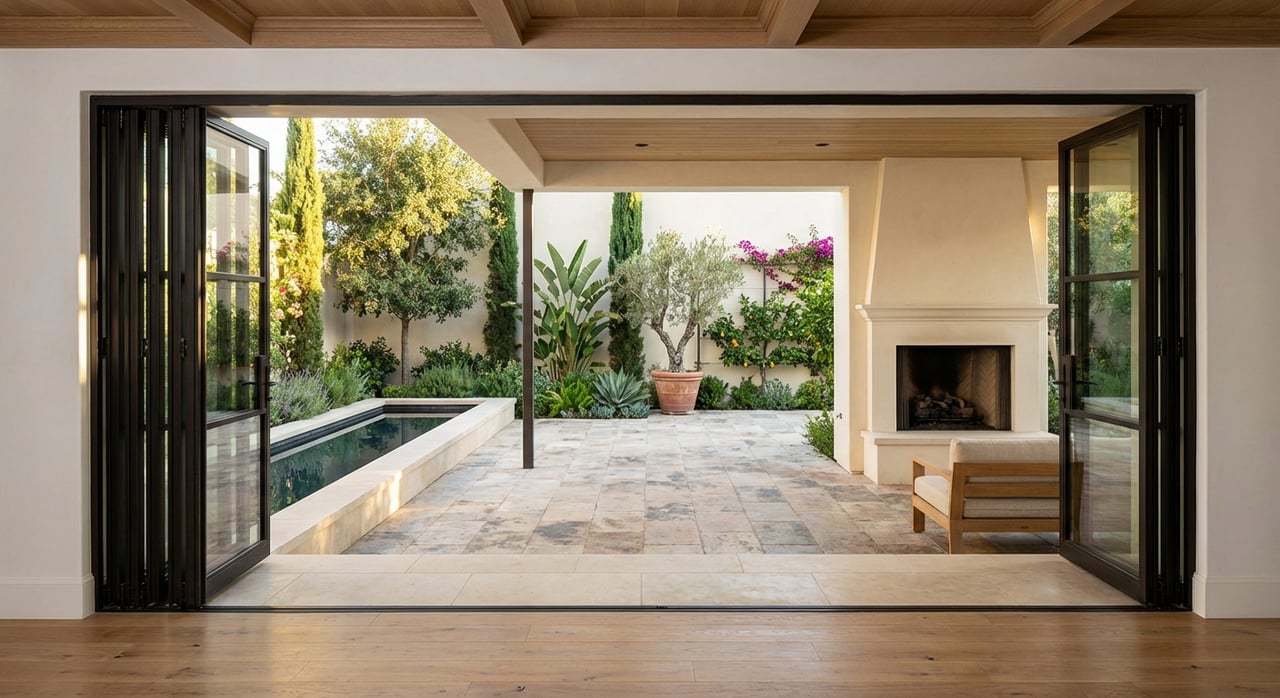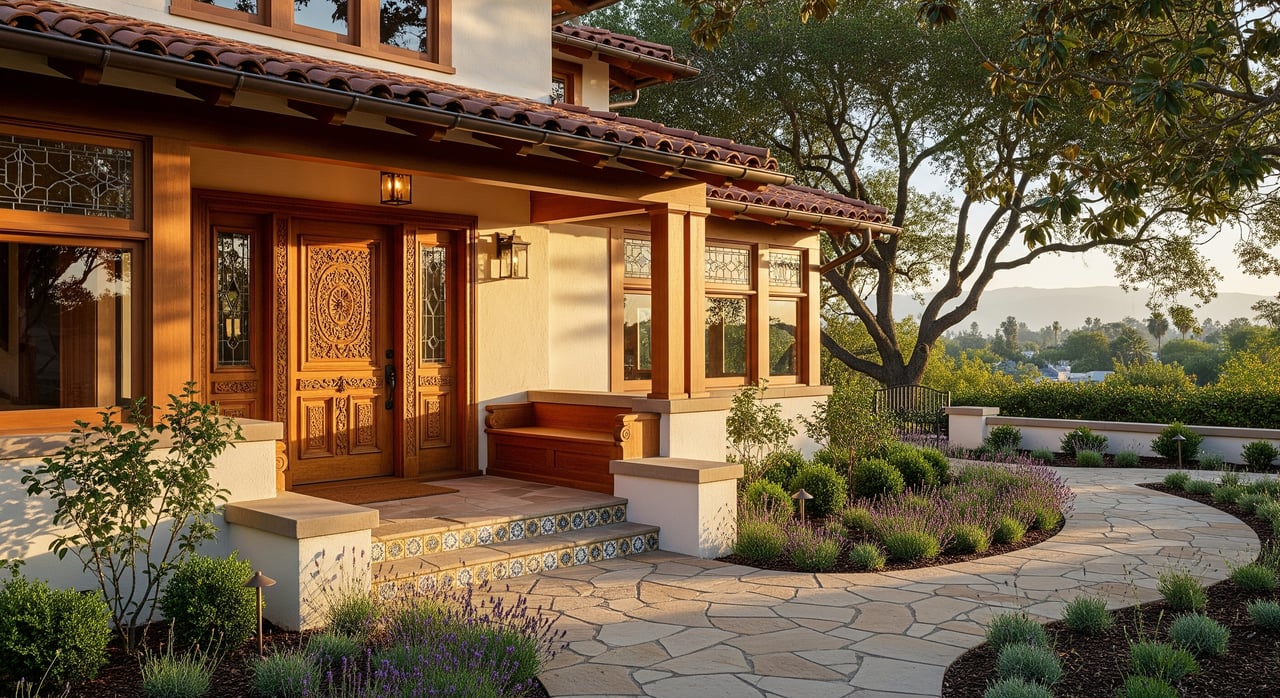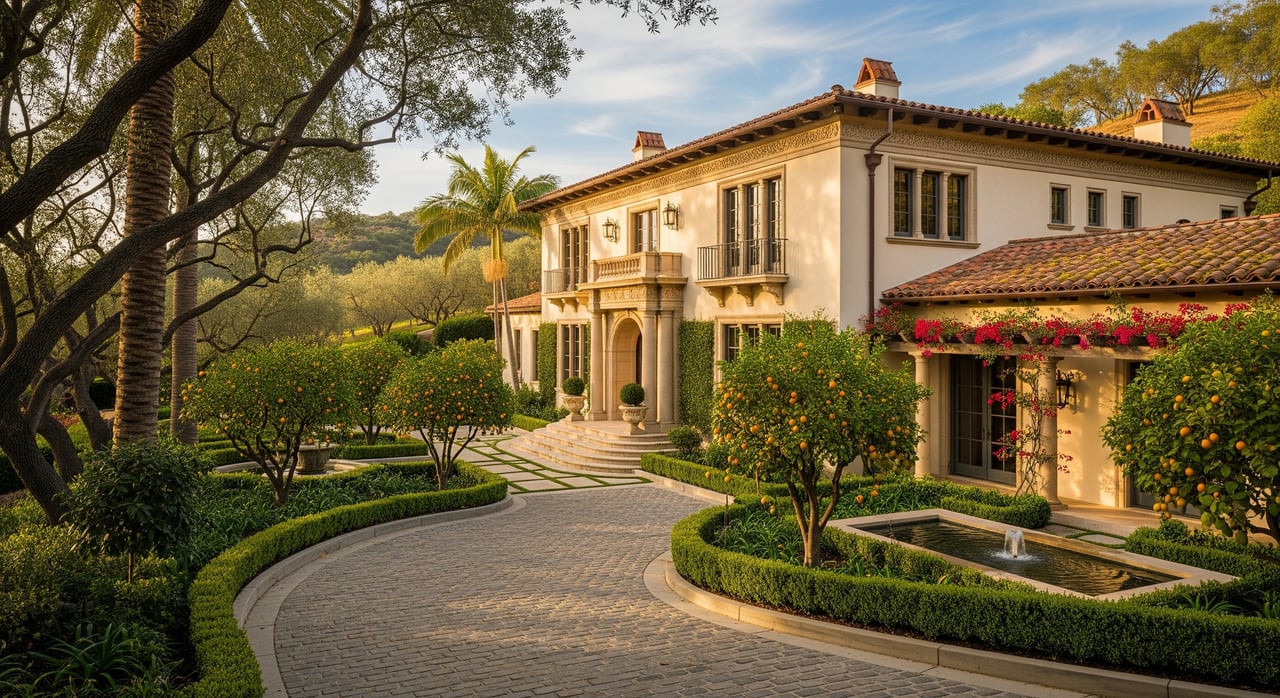
Is there a better place to fall for period architecture than San Marino? If you love clay tiles, carved doors, and gardens that feel like outdoor rooms, you’re in the right neighborhood. Whether you are buying, selling, or stewarding a legacy property, understanding the area’s styles and quality markers helps you move with confidence. This concise guide shows you what to look for, how to confirm provenance, and how to plan respectful updates. Let’s dive in.
Why San Marino estates matter
San Marino was incorporated in 1913 and grew rapidly from the 1910s through the 1930s, when estate-scale residential design flourished. Large lots, landscaped setbacks, and architect-designed homes created a setting where craftsmanship and high-grade materials are common. The city’s development patterns have favored preservation of scale and mature landscapes. Nearby, the cultural landscape anchored by the Huntington Library, Art Museum, and Botanical Gardens reinforces the area’s devotion to art, gardens, and design.
Spot the core styles
San Marino’s estates reflect early 20th-century period revivals tailored to Southern California’s light and climate. Use these quick checklists to identify what you are seeing during a walkthrough.
Monterey
Monterey homes evolve from California precedents and appear in revival form across San Marino.
- Quick ID
- Two-story massing with a prominent second-level balcony
- Low-pitched gable or hip roof with clay tile or shakes
- Stucco walls with wood details and multi-light windows
- Quality markers
- Heavy timber balcony supports and original wood balustrades
- Hand-forged hardware and well-kept plaster or stucco finishes
- Paired or grouped true-divided-light windows
Mediterranean and Spanish Revival
A dominant estate look from the 1910s through the 1930s, drawing on Spanish and Italian precedents.
- Quick ID
- Light stucco walls with red clay tile roofs
- Arched openings, arcades, loggias, and courtyard plans
- Wrought-iron railings, grilles, and lanterns with decorative tilework
- Quality markers
- Lime-based stucco, substantial masonry chimneys, solid clay roof tiles
- Hand-applied tile at stair risers and entries
- Artisanal ironwork and carved wood doors
Colonial Revival
Formal, symmetrical compositions with Georgian and Federal influences.
- Quick ID
- Centered entry, symmetrical facade, and classical doorway detailing
- Double-hung multi-pane windows with shutters
- Hipped or side-gabled roofs and formal porticos
- Quality markers
- Fine masonry or wood clapboard with crisp classical millwork
- Original multi-pane sash and true-divided lights
- Cornices and dentil moldings with proper scale and proportion
Custom period estates
One-of-a-kind houses tailored to owners and gardens, often by noted regional architects.
- Quick ID
- Asymmetrical plans and mixed stylistic references
- Formal interior rooms such as libraries and galleries
- Integrated terraces, service wings, and garden rooms
- Quality markers
- Custom millwork, carved stone, bespoke ironwork, and original fixtures
- High-grade native and imported materials
- Intact floor plans that reflect estate-era living patterns
Read the hallmarks of quality
When you tour a property, small details reveal big truths about craftsmanship and care.
Exterior and structure
- Deep, well-finished masonry with bonded construction rather than thin veneer
- Substantial timber roof framing and original clay or slate tiles
- Lime-based stucco with historic texture instead of hard modern cement stucco
- True-divided-light windows, mortise-and-tenon joinery, and original brass or iron hardware
Interior fabric
- Multi-coat lime plaster on wood lath, continuous baseboards, and picture rails
- Wide-board flooring and original molded casings and panel doors
- Vintage boilers or radiators that signal era and inform retrofit needs
Confirming provenance
Start an archival search before planning major work.
- Begin with the City of San Marino Planning and Building Department for permit files and potential plans.
- Review deeds and parcel history with the Los Angeles County Assessor and the Los Angeles County Recorder.
- Consult the San Marino Historical Society for local photographs and context.
- Check state and national listings via the National Register of Historic Places and search measured drawings or photos in the Library of Congress HABS collection.
Update with respect
Thoughtful stewardship preserves character while meeting today’s needs.
Core principles
- Preserve massing, primary facades, rooflines, and original openings
- Match scale and proportion when adding space and keep additions subordinate
- Use compatible materials, such as breathable lime stucco and matching roof tiles
- Favor reversible interventions and integrate systems discreetly to minimize visual impact
Structural and code upgrades
- Hire a structural engineer experienced with historic buildings for seismic strengthening
- Plan for life-safety upgrades like smoke detection and egress while protecting historic fabric
- Improve energy performance with options like interior storm panels or restored sash with weatherstripping
Permits, designations, and incentives
- Confirm needed permits early with the city planning and building department
- Verify any local, state, or national designations that could shape review processes
- Explore the Mills Act program through the California Office of Historic Preservation for potential property tax benefits tied to preservation commitments
- Seek regional guidance and referrals from the Los Angeles Conservancy
Pitfalls to avoid
- Replacing original windows without testing repair or retrofit solutions
- Applying hard cement stucco over historic lime stucco
- Removing mature landscape elements that define the estate setting
- Designing additions that compete with the primary facade or overwhelm original rooflines
Plan your search or sale
If you are buying, create a simple field kit: a camera for details, a notebook for room-by-room observations, and this guide’s checklists. Log window types, roof materials, millwork, hardware, and any intact fixtures. Begin provenance research early so you can weigh restoration scope and future plans with clarity.
If you are selling, foreground architecture, craftsmanship, and any documented history. Gather permits, plans, and archival references to support a clear narrative. Quality, provenance, and sensitive updates often translate into stronger market reception and better outcomes for legacy properties.
Ready to talk through your goals for a San Marino estate? Reach out to The Greg Holcomb Group for discreet, architecturally informed guidance from search to closing and beyond. Let’s connect. Start a confidential conversation about your property.
FAQs
What defines San Marino estate architecture?
- Estate-scale homes from the 1910s to 1930s with architect-driven design, large landscaped lots, and period-revival styles such as Monterey, Mediterranean or Spanish Revival, Colonial Revival, and custom eclectic estates.
How can I verify the architect of a San Marino home?
- Check city permits, county deeds and assessor records, local archives, the San Marino Historical Society, and consult the National Register and Library of Congress HABS for documented properties.
Are renovations restricted for historic homes in San Marino?
- Designation can trigger review but does not automatically prohibit work; confirm status and consult the City of San Marino planning and building department early to understand requirements.
What updates protect value without harming character?
- Preserve primary facades and openings, match materials and profiles, design reversible changes, and route modern systems in low-visibility locations to keep character intact.
Can I install solar panels on a period-revival roof?
- Yes, when sited to minimize visibility, such as rear or lower-slope roof planes or ground-mounted systems positioned away from street views.
Are there tax incentives for preservation in San Marino?
- Eligible historic properties may qualify for Mills Act contracts administered locally with guidance from the California Office of Historic Preservation, which can reduce property taxes in exchange for preservation commitments.