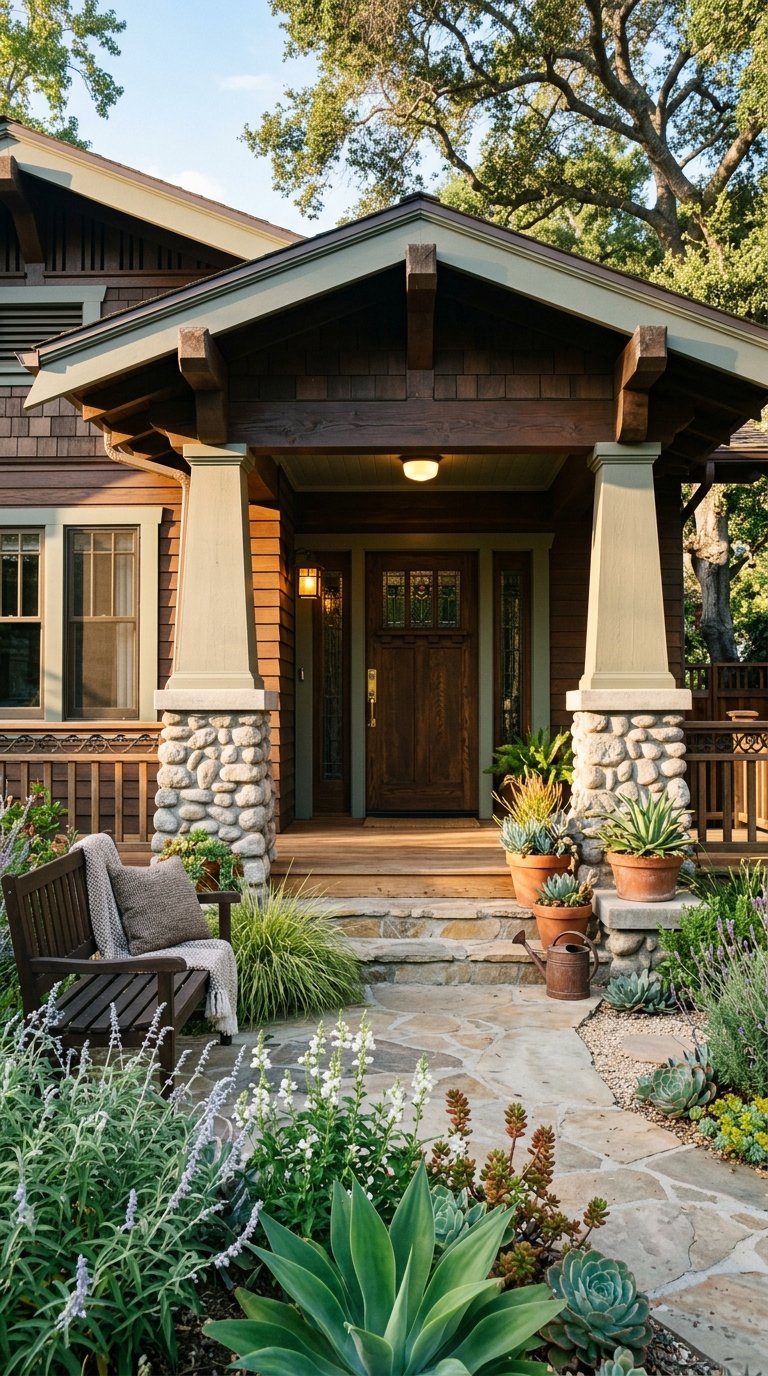
Thinking about a smaller home in Los Angeles does not always mean thinking smaller about your life. In this market, right-sizing is often a shift in priorities, from hillside privacy and sweeping views to historic streets, easier routines, and a different kind of ownership. If you are weighing that move, understanding how daily function, resale timing, and stewardship differ across neighborhoods can help you choose well. Let’s dive in.
What right-sizing means in Los Angeles
In Los Angeles, right-sizing is rarely just about square footage. It is often about deciding what you want your home to do for you every day.
For some owners, that means moving away from steep lots, longer drive times, and higher-maintenance hillside living. For others, it means choosing a historic neighborhood where character, walkability, and access to local amenities play a larger role in daily life.
Current market data shows how much that choice can matter. In March 2026, Pasadena posted a median sale price of $1.256 million with 32 days on market, while Los Feliz reached $2.225 million with 148 days on market, and Hollywood Hills came in at $1.739 million with 138 days on market, according to Redfin market data for Pasadena and Los Feliz.
Hillside living versus historic streets
Hillside homes offer privacy and views
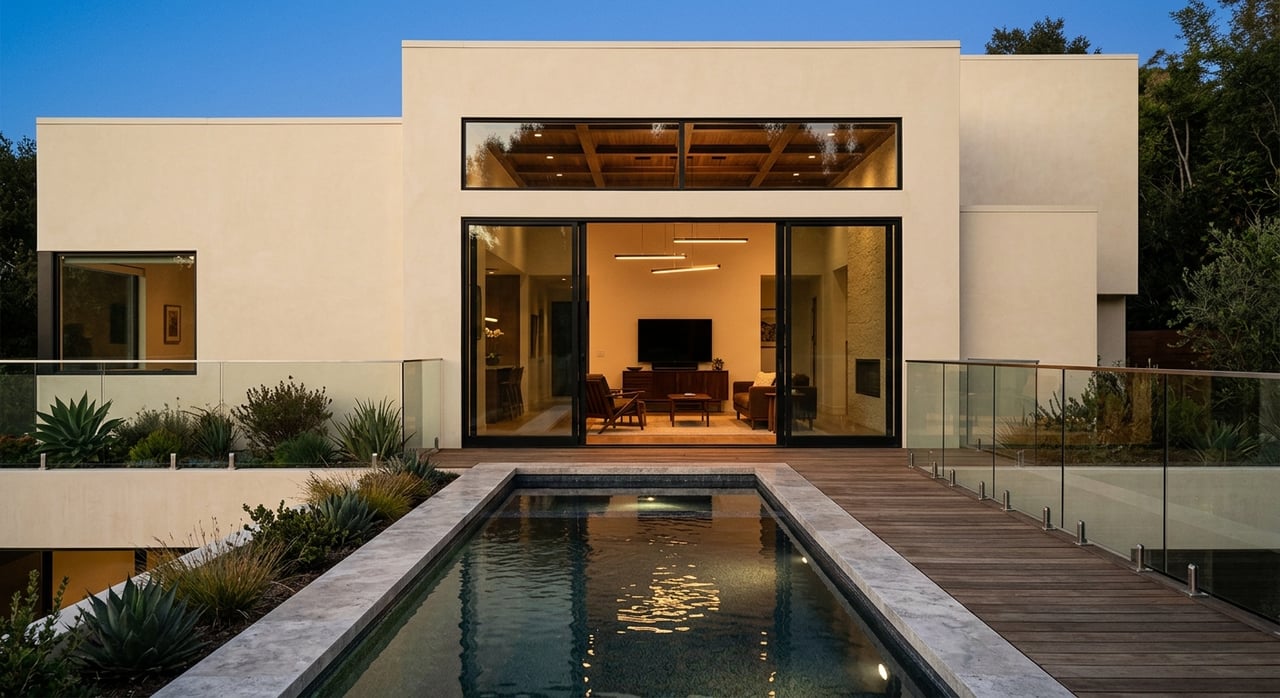
Hillside homes often appeal because they create separation from the street, stronger privacy, and dramatic outlooks. For many buyers, that architectural presence is the point.
But hillside ownership also comes with different practical demands. CAL FIRE fire hazard severity zone guidance classifies fire-hazard zones as moderate, high, or very high, and the research for this market notes that Los Angeles hillside communities remain under continuous threat of wildfire.
That usually means more attention to brush clearance, evacuation planning, and access conditions. If you are right-sizing out of the hills, you may be moving toward a home that asks less of you operationally, not just financially.
Historic streets offer character and oversight
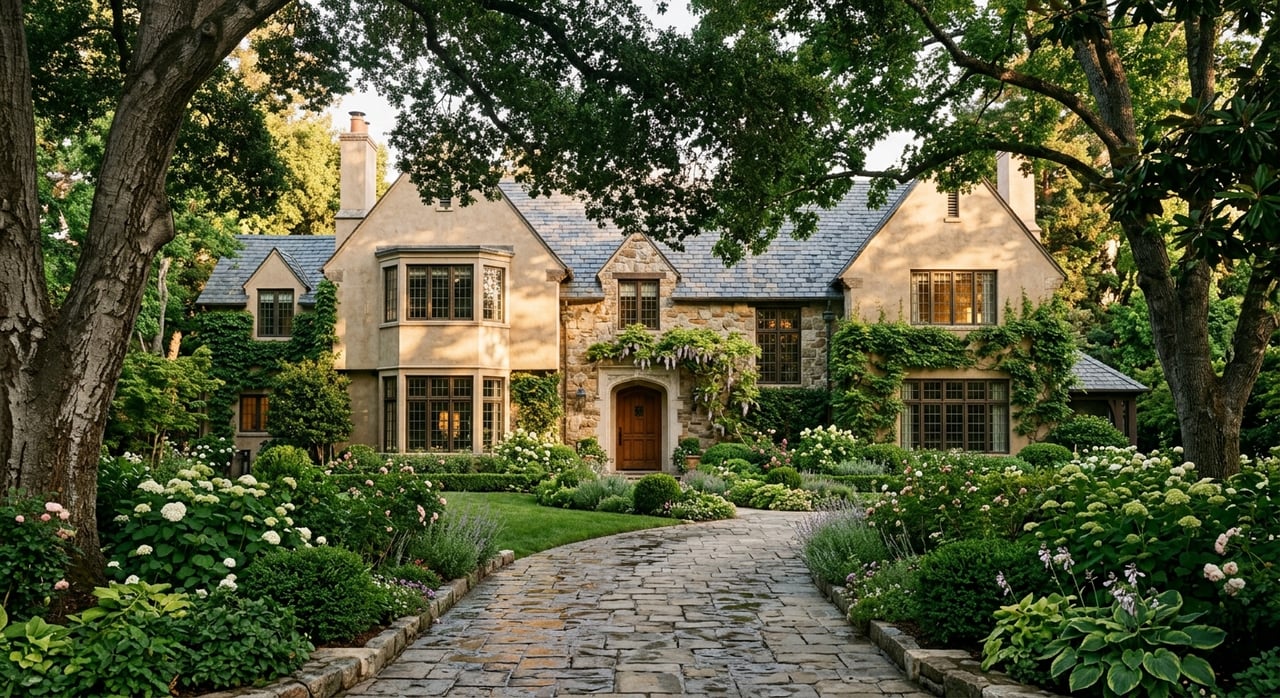
Historic-street living offers a different kind of value. Instead of views and separation, you may gain a stronger sense of architectural continuity, more walkable blocks, and a setting where neighborhood character is more formally protected.
That protection comes with rules. Los Angeles City Planning's historic district project review process states that exterior work in local historic districts, including paint and landscaping, requires additional review. Pasadena applies similar oversight through design guidelines tied to preservation standards, according to the city's historic preservation resources.
For the right buyer, that extra review is not a drawback. It is part of the stewardship that helps preserve the architectural identity that drew you there in the first place.
Why Pasadena stands out
Pasadena is one of the clearest examples of a right-sizing destination in greater Los Angeles. It offers historic housing stock, established neighborhood fabric, and a market that supports both character and day-to-day utility.
The city reports more than 200 individual historic sites and 26 historic neighborhoods, supported by a preservation program dating back to 1969. You can explore that framework through Pasadena's historic places and preservation program.
Daily life can feel easier in Pasadena
One of Pasadena's strongest advantages is that daily life can become more efficient, depending on the block you choose. Census QuickFacts for Pasadena shows a mean commute time of 26.9 minutes, compared with 31.1 minutes for Los Angeles city overall.
Walkability also varies in useful ways. Walk Score data for Pasadena shows an average city score of 69, while Downtown and Old Pasadena can reach 97 and sit near rail access.
That means a move to Pasadena can change more than your address. It can reshape how often you drive, how quickly you reach errands or dinner, and how much effort your home requires from week to week.
Pasadena may suit sellers and buyers differently
For buyers, Pasadena can be attractive if you want architectural character without fully giving up convenience. For sellers, it also presents a market dynamic worth noting.
The March 2026 median sale price of $1.256 million and 32 days on market suggest comparatively faster turnover than the more view-driven hillside markets cited above. In practical terms, that can make Pasadena a compelling option if you value a historic-core setting with stronger day-to-day functionality and potentially quicker resale movement.
Los Feliz and Hollywood Hills offer a different equation
Los Feliz and Hollywood Hills remain powerful options for buyers who prioritize architecture, privacy, and visual drama. But they tend to represent a different right-sizing equation.
Los Feliz blends urban fabric and hillside character
Los Feliz is especially interesting because it sits between two identities. The area is part of the Hollywood Community Plan area, which includes both more urban neighborhoods and hillside communities.
That mix matters when you are deciding how you want to live. Some parts of Los Feliz feel more connected to shops, sidewalks, and transit, while others feel more removed and residential.
The neighborhood's walkability is not uniform. Walk Score measurements along Los Feliz Boulevard range from the high 80s in some locations down to 69 and 57 nearby, showing how much the experience can shift by block.
Historic hillside districts carry real identity
Los Feliz Heights is a useful case study for design-minded buyers. Los Angeles City Planning describes the Los Feliz Heights Residential Historic District as a cohesive collection of roughly 317 Period Revival homes on the south-facing slope of Mt. Hollywood, with curving streets, sloped lots, city views, and public stairways.
That kind of setting can be deeply compelling if you value provenance and architectural distinction. It also highlights an important point about right-sizing in Los Angeles: a move may reduce maintenance in one category while increasing it in another.
Market pace tends to be slower
Los Feliz and Hollywood Hills may command a stronger premium for views, pedigree, or architectural presence. But they also tend to move more slowly than Pasadena.
In March 2026, Los Feliz averaged 148 days on market at a median sale price of $2.225 million, while Hollywood Hills averaged 138 days at $1.739 million, based on the Los Feliz housing market and the market framing provided in the research. For sellers, that can mean a longer marketing horizon. For buyers, it can mean a chance to prioritize quality of fit over speed.
Questions to ask before you move
Right-sizing works best when you define your priorities clearly before you shop or list. In Los Angeles, these questions can sharpen the decision.
Do you want easier daily function?
If your goal is a simpler routine, focus on block-level access, commute patterns, and how often you can walk to what you use regularly. In Pasadena especially, the difference between a historic core location and a more car-dependent edge can be significant.
Do you want privacy and architectural drama?
If the home is meant to deliver privacy, views, and strong design presence, hillside neighborhoods may still be the right fit. Just weigh those benefits against wildfire considerations, access, and maintenance.
Are you prepared for preservation review?
If you are moving into a historic district, understand what exterior changes require review. In both Los Angeles and Pasadena, preservation oversight can affect paint, landscaping, and other visible updates.
Does Mills Act potential matter?
The research notes that both Los Angeles and Pasadena offer Mills Act programs that can provide potential property-tax relief for qualifying historic properties. That does not apply to every home, but it is an important due-diligence point if historic stewardship is part of your plan.
What sellers should evaluate first
If you are selling a home as part of a right-sizing move, preparation matters. Your strategy should reflect not only the home itself, but also the ownership framework around it.
Start with these points:
- Confirm whether the property sits in a historic district.
- Review what exterior changes required or may require design review.
- Determine whether Mills Act eligibility exists or has value in marketing.
- Assess hillside issues such as wildfire exposure, access, and maintenance considerations.
- Set expectations around market timing based on location and buyer pool.
For architecturally notable homes, thoughtful positioning matters even more. Buyers in these segments are often responding to provenance, design integrity, and how clearly the home's story is presented.
The best move is the one that fits your life
A right-sizing move in Los Angeles is often less about giving something up and more about choosing what should matter most next. You may decide that historic streets, shorter commutes, and easier routines fit this chapter better than hillside separation. Or you may decide that privacy, views, and architectural presence still justify the trade-offs.
The key is to treat the move as a question of fit, stewardship, and long-term livability. If you are considering a move from the hills to a historic neighborhood, or simply weighing how architecture and daily life should balance, The Greg Holcomb Group can help you navigate the decision with care, discretion, and a strong sense of place.
FAQs
What does right-sizing in Los Angeles usually mean?
- In Los Angeles, right-sizing usually means adjusting your home to better match your lifestyle priorities, such as easier daily function, less maintenance, more walkability, or a stronger focus on architecture and setting.
How is Pasadena different from Hollywood Hills for right-sizing?
- Pasadena may offer more historic neighborhood options, shorter average commute times, and faster market turnover, while Hollywood Hills often offers more privacy, views, and hillside conditions that require added maintenance and wildfire awareness.
What should buyers know about historic districts in Los Angeles?
- Buyers should know that exterior changes in local historic districts may require additional review, including items like paint and landscaping, which can affect renovation plans and ownership responsibilities.
What should sellers disclose for hillside homes in Los Angeles?
- Sellers should be prepared to address hillside factors such as wildfire exposure, access conditions, and maintenance considerations, along with any historic-district or review-related issues that affect the property.
Can historic homes in Pasadena or Los Angeles qualify for tax relief?
- Some qualifying historic properties in Pasadena and Los Angeles may be eligible for Mills Act programs that can provide potential property-tax relief, so this is an important item to review during due diligence.