Selling a Pasadena character home is rarely about making it look newer. It is about helping buyers see why it matters. If you own a Craftsman, Spanish Colonial Revival, or Mid-century Modern home, the right prep work can protect its architectural identity, reduce surprises, and strengthen the story you bring to market. Let’s dive in.
Start with historic status
Before you schedule repairs or call a contractor, confirm how Pasadena classifies your home. The city maintains historic preservation resources and a searchable database that can help you determine whether a property is designated, contributing to a district, or simply historic in style.
That distinction matters. Pasadena has a well-established preservation framework, and some exterior work may require review before permits are issued. Knowing your home’s status early can save time and help you avoid changes that weaken value instead of adding it.
Know what makes the home special
Pasadena’s character homes stand out because of their original design language. Buyers drawn to these properties are often responding to details that cannot be easily recreated, so your preparation should begin with identifying the features that define the house.
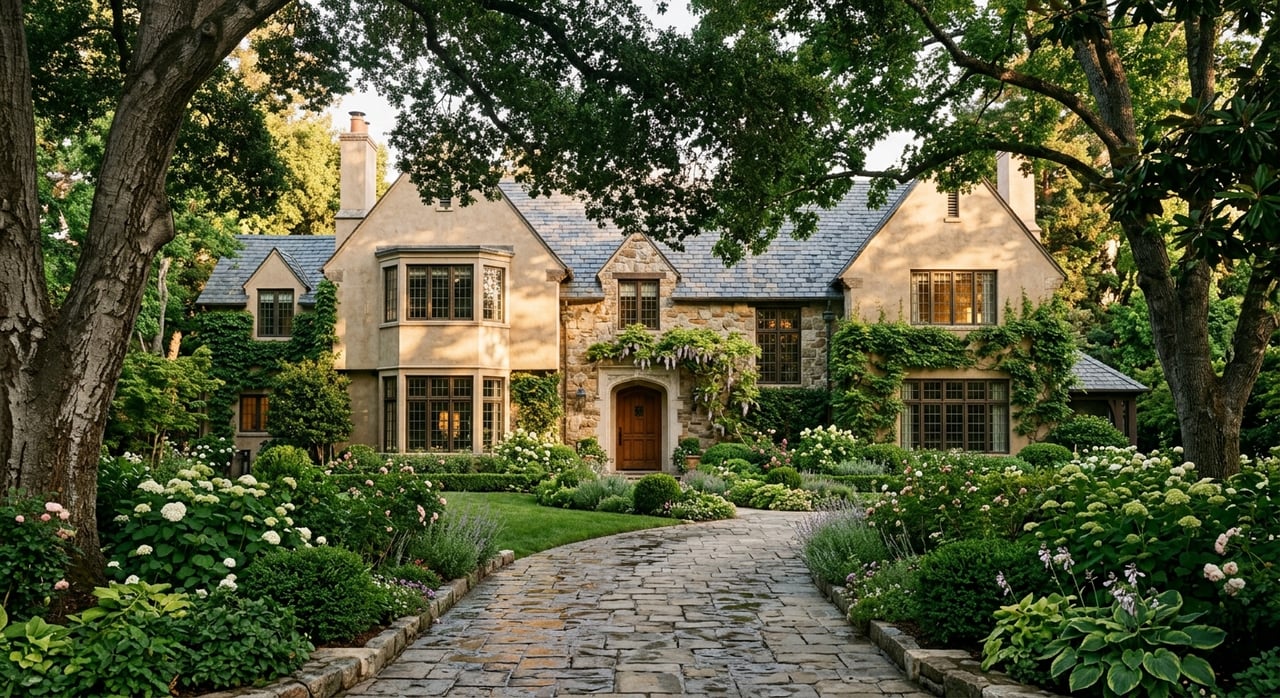
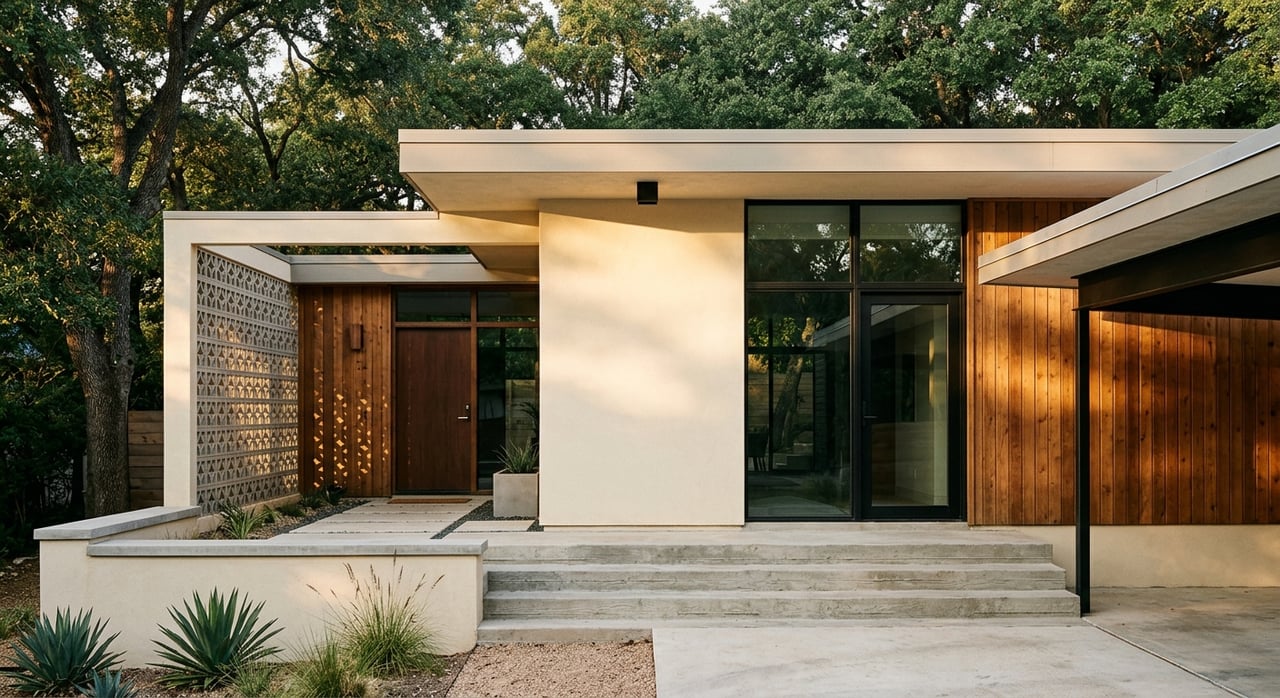
For a Craftsman, that may mean low-pitched gabled roofs, broad porches, exposed rafter tails, grouped windows, and hand-crafted woodwork. For a Spanish Colonial Revival home, it may be stucco walls, clay barrel tile roofing, arched openings, carved wood doors, wrought iron, or decorative tile. For a Mid-century Modern home, the goal is often to present it as a complete design object, not just an updated older house.
Refresh without erasing character
One of the most common pre-sale mistakes is replacing visible original elements too quickly. In Pasadena, a better strategy is often repair over replacement when a historic feature still has useful life and contributes to the home’s architectural integrity.
That does not mean you need to restore every detail to an earlier condition. Pasadena states that designation does not require owners to return a home to its original appearance, and it does not affect the ability to use or sell the property. The focus is typically on compatibility and preserving visible character.
Exterior changes may need review
If your pre-listing plan includes street-visible exterior work, check with Pasadena Design & Historic Preservation early. According to the city, items that commonly trigger review include window replacement, front porch reconstruction, additions, fences, and new garages.
This review happens through a Certificate of Appropriateness before a building permit can be issued. Pasadena also notes that the process can add roughly two months to the permit timeline, which makes early planning especially important if you hope to list on a specific schedule.
Some improvements are exempt
Not every update requires the same level of review. Pasadena says interior alterations, paint colors, landscaping, solar panels, routine maintenance, and non-visible mechanical upgrades are generally exempt from historic review.
That gives sellers room to improve livability and presentation without getting drawn into unnecessary delays. In many cases, thoughtful maintenance and cosmetic refinement can do more for market appeal than a visible replacement project.
Organize the presale file early
A standout sale is not just visual. It is also administrative. Character homes often have long ownership histories, older improvements, and a mix of original and updated systems, so a clear pre-listing file helps build buyer confidence.
Start by gathering permit history, contractor invoices, restoration records, architectural notes, and any documents related to designation or district status. If your property is under a Mills Act contract, include that too, since buyers should understand both the benefit and the stewardship commitment involved.
Pasadena presale requirements matter
Pasadena’s Presale Self-Certification Program applies to single-family houses, condominiums, townhouses, and duplexes. Before close of escrow, the owner must obtain either a Presale Certificate of Completion or a Presale Certificate of Inspection.
Not every property qualifies for self-certification. The city says a property is ineligible if it has open code compliance cases, certain square footage discrepancies compared with assessor records, or unpermitted construction, additions, conversions, or accessory structures over 120 square feet. Fire prevention, detection, and exiting requirements must also be met.
Disclosure prep is part of sale prep
California sellers must complete the Real Estate Transfer Disclosure Statement before title transfers. Depending on the property, Natural Hazard disclosures may also apply if the home is in mapped flood, fire, earthquake fault, or seismic hazard zones.
If your Pasadena home was built before 1978, lead-based paint disclosure rules may also come into play. Known lead-based paint information must be disclosed, buyers must receive the required pamphlet, and they must be given a 10-day opportunity for testing. If you plan to sand or repaint older surfaces before listing, lead-safe work practices are especially important.
Stage for online buyers first
Your first showing usually happens on a screen. Research cited in the report shows that 52% of buyers found the home they purchased online, and 81% rated listing photos as the most useful feature during the search.
That matters even more for Pasadena character homes, where atmosphere, detail, and proportion often shape a buyer’s emotional response before they ever step through the door. If the online presentation feels flat, the home may never get the in-person visit it deserves.
Let architecture lead the staging
Good staging should support the house, not overpower it. For a character property, that often means decluttering, adjusting furniture scale, opening sightlines, and allowing original features to hold visual focus.
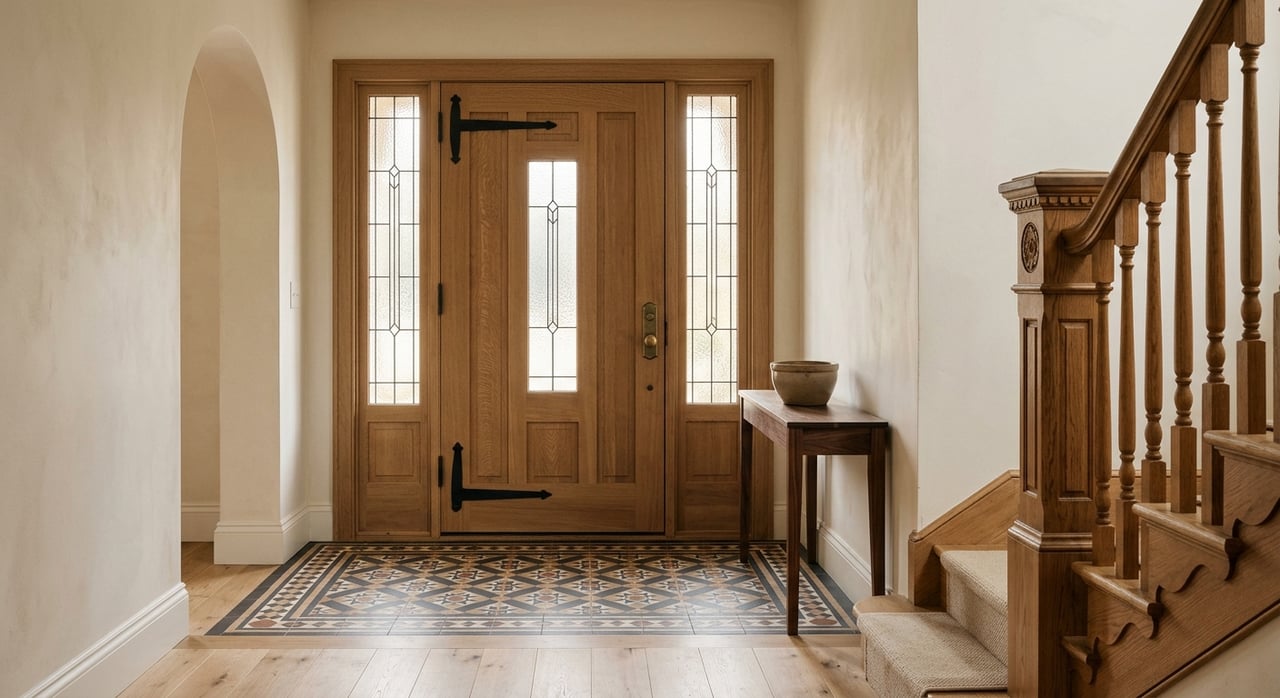
Built-ins, woodwork, arches, tile, porches, and garden connections often do the hardest work in these homes. When rooms are overfilled or styled too generically, buyers may miss the very elements that make the property rare.
Choose the lead image carefully
The first listing photo sets expectations for everything that follows. For many Pasadena homes, the strongest opening image is either the front elevation or a compelling exterior lifestyle view that captures form, setting, and arrival.
From there, the photo sequence should reveal architectural logic, not just room count. Floor plans can also help buyers understand flow, especially in homes with layered additions, detached structures, or strong indoor-outdoor relationships.
Tell a provenance-driven story
Condition matters, but provenance often creates the deeper connection. In Pasadena, where architecture and preservation are part of the city’s identity, buyers want to know more than whether the kitchen was updated.
The strongest listing story usually answers five practical questions:
- What architectural style is the home?
- Who designed it, if known?
- What original features remain?
- What preservation or tax status applies?
- What work was completed with permits?
These details are not background trivia. They help position the home as a meaningful property with a documented life, which can be especially important for design-minded buyers evaluating similar price points.
Use precise language
Accuracy matters when describing a character home. If selective repairs were completed, say so. If a home has been thoughtfully updated for modern living while retaining key original features, say that. Avoid overstating the scope of restoration or implying significance that is not supported by the record.
Pasadena’s preservation framework is built around compatibility with modern needs while maintaining historic character. Your marketing should follow the same principle by being elegant, factual, and specific.
Focus on stewardship and sale readiness
Preparing a Pasadena character home for market is not about stripping away age or personality. It is about making smart decisions that respect the architecture, meet city requirements, and present the property with clarity.
When you verify historic status, avoid unnecessary exterior mistakes, organize disclosures early, and build the listing around architectural identity, you create a cleaner path to market and a stronger impression with the right buyers. In a city where provenance matters, thoughtful stewardship is often one of the most valuable selling features you can offer.
If you are thinking about selling a notable Pasadena home, The Greg Holcomb Group brings a design-focused, discreet approach to preparation, positioning, and marketing.
FAQs
What should you check first before updating a Pasadena character home for sale?
- Start by confirming whether the home is designated, contributing to a historic district, or simply historic in style, because that affects how exterior changes may be reviewed.
What exterior projects may trigger Pasadena historic review before listing?
- According to the city, common review items include window replacement, front porch reconstruction, additions, fences, and new garages when they are visible from the street.
What Pasadena presale requirement applies to many residential properties?
- Owners of a single-family house, condominium, townhouse, or duplex generally must obtain either a Presale Certificate of Completion or a Presale Certificate of Inspection before close of escrow.
What disclosures may apply when selling an older Pasadena home?
- Depending on the property, sellers may need the California Real Estate Transfer Disclosure Statement, Natural Hazard disclosures, and lead-based paint disclosures for most pre-1978 housing.
How should you stage a Pasadena character home for today’s buyers?
- Focus on decluttering, right-sizing furniture, opening sightlines, and highlighting original architectural features rather than making the home feel generic or overly neutral.
Why does provenance matter when marketing a Pasadena architectural home?
- Buyers often want to understand the home’s style, architect if known, surviving original details, preservation status, and permitted improvement history, all of which help define its identity and value.