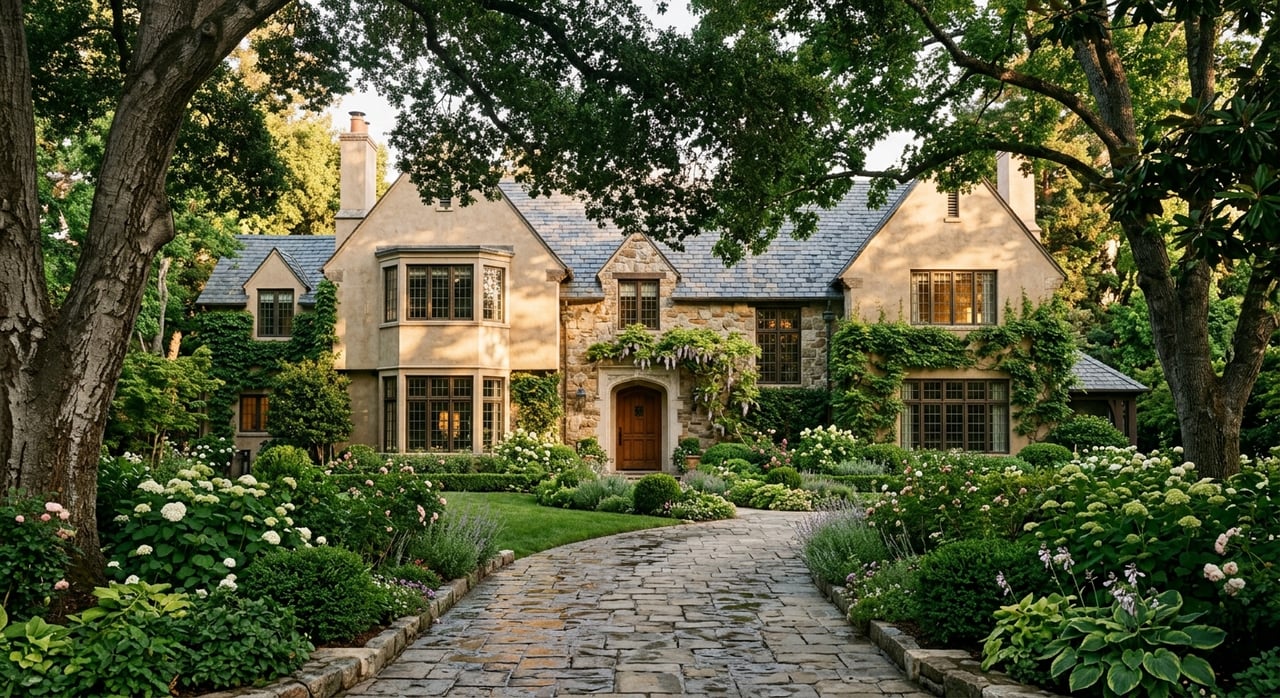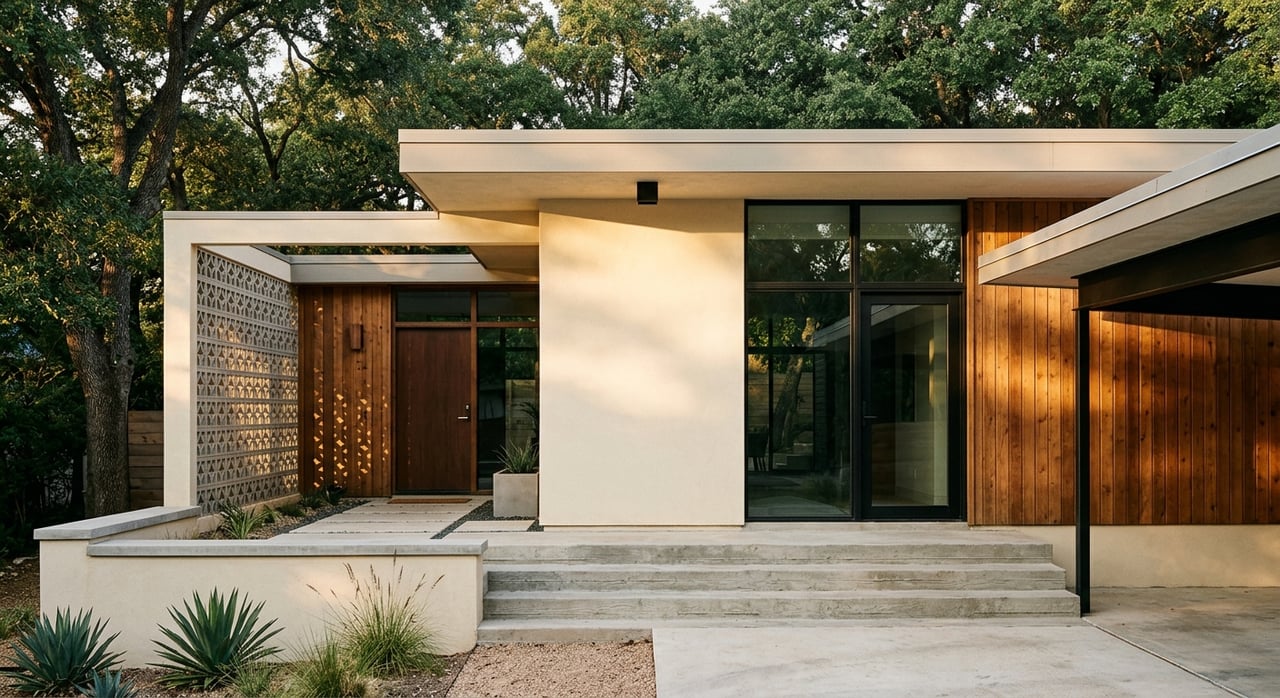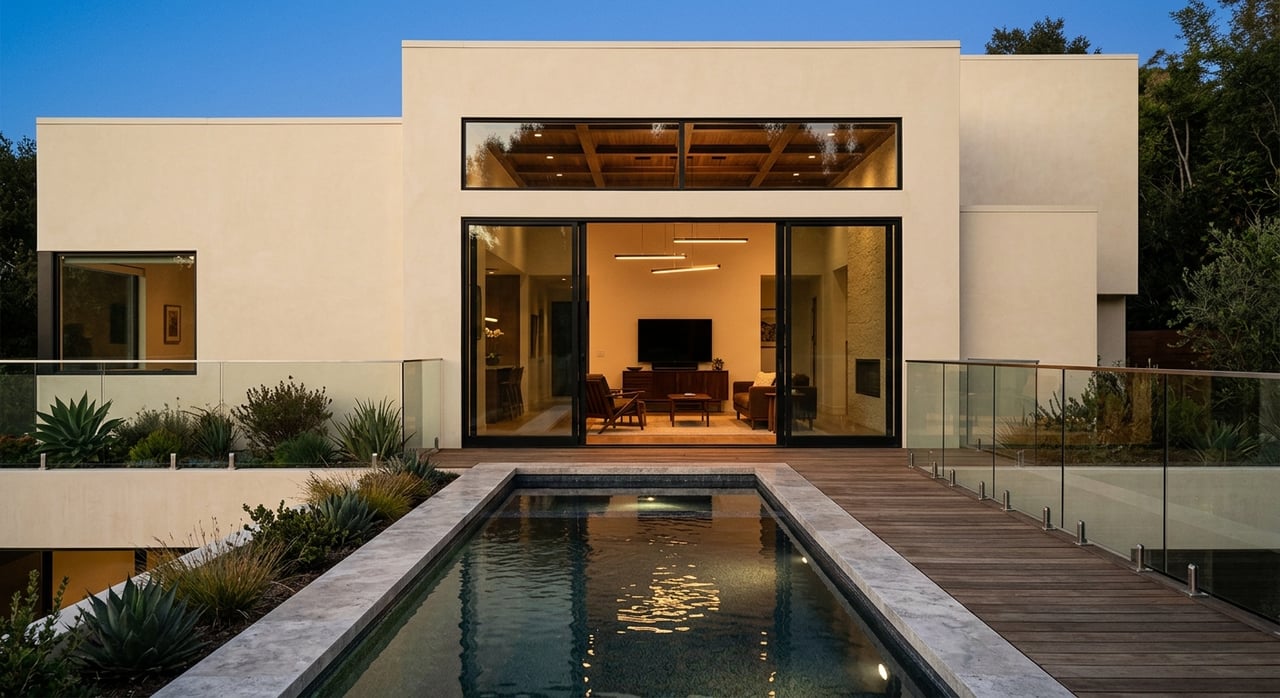
If you have ever looked at Beverly Hills listings and wondered why two homes with similar square footage can feel like they belong to completely different worlds, the answer is often the micro-neighborhood. Beverly Hills may be small at just 5.7 square miles, but it is not one uniform luxury market. If you are buying, selling, or simply trying to understand where value comes from, knowing how the city’s residential pockets differ can help you read the market with much more clarity. Let’s dive in.
Why Beverly Hills Is Not One Market
Beverly Hills has roughly 34,000 to 35,000 residents, and the city formally separates single-family property into three areas: the Central Area, the Hillside Area, and Trousdale Estates. That official framework matters because it shapes how homes are regulated and, in turn, how they are experienced and valued.
For buyers and sellers, this means “Beverly Hills” is really a collection of distinct residential products. A home in the flat central core often offers a different daily rhythm, design context, and renovation path than a home in the hills. In a market at this level, those differences are not minor details. They are often central to pricing and fit.
The Official Beverly Hills Framework
The city’s three-part structure gives you a useful starting point for understanding luxury micro-neighborhoods. It is not just geography. It also reflects how topography, architecture, and property rules shift across the city.
Central Area
In the Central Area, visible exterior changes on single-family homes go through design review. The city specifically identifies items like façade remodels, paint, window replacement, roofing, and similar aesthetic changes as review items.
For you as a buyer or owner, that can affect renovation timelines and decision-making. It can also help preserve a more consistent visual character along certain streets, which is one reason block-by-block presentation matters so much in central Beverly Hills.
Hillside Area
The Hillside Area works differently. The city says there is no design review process there, but the rules do address landform alteration and view preservation.
In practical terms, hillside value often depends more heavily on the site itself. Slope, pad quality, privacy, and view orientation can have an outsized impact on what a property offers and what future changes may involve.
Trousdale Estates
Trousdale Estates has its own single-family article and separate construction rules. The city includes specific requirements such as hauling approvals and truck limits.
That separate treatment reflects how distinct Trousdale is within Beverly Hills. It is not simply another hillside street pattern. It is its own established enclave with a specific architectural identity and a more tightly controlled building environment.
Understanding The Flats
“The Flats” is one of the best-known labels in Beverly Hills, but it is important to understand that it is a market term, not a formal city zoning category. The city uses the broader Central Area, Hillside Area, and Trousdale framework, so boundaries for the Flats are approximate rather than fixed.
In common market use, the Flats refers to the relatively flat luxury residential streets just south of Sunset Boulevard. The area is known for large homes on generally level lots, though reporting has also noted that lot sizes can still vary and are not uniformly oversized.
What Daily Life Feels Like in the Flats
The central residential core is closely tied to some of Beverly Hills’ most visible public amenities. Beverly Gardens Park runs 23 blocks, or 1.9 miles, along Santa Monica Boulevard and separates the commercial and residential districts. Roxbury Memorial Park offers more than 11 acres of recreation, and The Wallis serves as a major cultural anchor.
That geography helps explain why many buyers see the Flats as the most convenient pocket for everyday routines. If you value proximity to parks, culture, and central errands, the Flats often support a more connected and social rhythm than a more secluded hillside setting.
Why the Flats Feel So Established
Beverly Hills’ early planning still shapes the experience of the central neighborhoods today. The city notes that landscape architect Wilbur D. Cook designed wide curving streets that responded to the hills, and trees remain a defining feature of local neighborhoods.
That legacy is part of why the Flats feel more than simply prestigious. The mature canopy and broad residential streets create a setting that feels composed and settled, which is often a meaningful part of buyer appeal.
Architecture in the Central Core
One of the biggest misconceptions about Beverly Hills is that each neighborhood has a single dominant look. In reality, the housing stock in and near the Flats is varied.
The city’s landmark inventory includes examples such as the 1926 W. N. Caldwell Residence on North Linden, the 1951 Hale House on Yoakum, the 1954 Kronish House on Sunset, the 1920 Witch’s House on Walden, and the 1927 McGilvray House on Alpine. Together, those examples show a mix of Spanish Colonial Revival, early modern, and other preservation-worthy homes.
For a design-minded buyer, that means the conversation is often less about one broad neighborhood style and more about the architectural character of a specific street, block, or individual parcel. That is especially true in Beverly Hills, where provenance can be highly localized.
Hillside Enclaves Offer a Different Luxury
North of Sunset, the market changes. The hillside portion of Beverly Hills tends to trade on terrain, privacy, and site-specific design as much as square footage.
This is also the area where environmental and safety considerations become more visible. The city says brush inspections in very high fire hazard zones are annual, and it notes that these zones are generally north of Sunset Boulevard. The city also maintains Red Flag no-parking streets on evacuation routes including La Altura, Calle Vista, Schuyler, Doheny, Foothill, Hillcrest, Loma Vista, Carla Ridge, North Beverly Drive, Coldwater Canyon, Benedict Canyon, and Tower Road.
What Buyers Should Notice in the Hills
In the hills, one lot can differ dramatically from the next. A property’s usefulness and appeal may depend on how the site meets the street, where the buildable pad sits, how outdoor space is configured, and how views are protected.
Architectural examples underscore that point. The LA Conservancy describes the Schulitz House on Lloydcrest as being built on a steep lot many thought was unbuildable, while the Familian House on Cove Way uses dense foliage and a strong street-facing shell to heighten privacy. These are good reminders that hillside homes are often defined by problem-solving design and a retreat-like quality.
Trousdale Estates Stands Apart
Trousdale Estates is Beverly Hills’ signature hillside enclave and one of its most architecturally distinct addresses. The LA Conservancy describes it as Beverly Hills’ highest point and the city’s largest and most complete grouping of custom Mid-Century Modern architecture.
Styles in Trousdale span Hollywood Regency, Mid-Century Modern, Modern, and Ranch, with work by architects including Wallace Neff, Paul R. Williams, A. Quincy Jones, Lloyd Wright, Cliff May, and Richard Dorman. For buyers who care deeply about architecture, Trousdale is often less about generic luxury and more about curated modernist pedigree.
Why Trousdale Feels More Controlled
The city imposes special construction controls in Trousdale Estates, including hauling approvals, authorized hauling hours of 8:30 a.m. to 3:15 p.m., and a 50,400-pound gross-weight limit for vehicles on Trousdale streets.
Those rules may sound technical, but they matter. They can influence renovation planning, new construction logistics, and the overall predictability of how the neighborhood evolves over time.
Landmark Streets and Design Collectors
Some of Beverly Hills’ most compelling micro-neighborhood value comes from architecturally notable pockets that are highly street-specific. The city’s local register includes residential landmarks on streets such as North Bedford, North Alpine, North Crescent, Walden, Sunset, Sierra, Hillcrest, Summit, and Woodland.
That pattern tells you something important. In Beverly Hills, premium design conversations often happen at the level of a particular block, or even a single parcel, rather than across a broad subdivision.
Streets Where Provenance Matters
A few examples help bring this into focus. The W. N. Caldwell Residence on Linden is a Wallace Neff Spanish Colonial Revival. The Hale House on Yoakum was the first house Craig Ellwood designed after opening his own practice. The Kronish House is one of only three Richard Neutra designs ever built in Beverly Hills and the only one that survives intact.
If you are drawn to architecture as much as address, these details matter. They can shape buyer demand, marketing strategy, and the story a home carries in the market.
How to Match the Right Micro-Neighborhood
The simplest way to understand Beverly Hills luxury micro-neighborhoods is to match the setting to the lifestyle and property priorities you value most.
Best Fit for Walkability and Access
The Flats and the central residential core often appeal to buyers who want easier access to parks, cultural destinations, and everyday conveniences. The flat terrain and established streetscape can also support a more connected neighborhood feel.
Best Fit for Privacy and Views
Hillside enclaves tend to appeal to buyers looking for seclusion, dramatic siting, and a stronger sense of retreat. In these areas, the land itself often plays a major role in both value and usability.
Best Fit for Modernist Pedigree
Trousdale Estates is often the clearest choice for buyers focused on architectural legacy, especially custom Mid-Century and related modern styles. It also stands out for its separate construction controls and highly defined neighborhood identity.
Best Fit for Architectural Provenance
Landmark-adjacent streets can be especially compelling if you are motivated by design history, authorship, and preservation value. In these pockets, the finest opportunities are often discovered through nuanced, block-level analysis rather than broad map labels.
Why Micro-Neighborhood Knowledge Matters
At the top of the Beverly Hills market, broad averages only tell part of the story. Two homes may share the same city name and price tier while offering completely different experiences of privacy, architecture, access, and future improvement potential.
That is why serious buying and selling decisions in Beverly Hills benefit from a more precise lens. When you understand the difference between the Central Area, hillside streets, Trousdale Estates, and landmark-adjacent pockets, you can evaluate a property not just by size or finish level, but by context.
If you are considering a move in Beverly Hills, or preparing to position a notable property for sale, working with advisors who understand architecture, provenance, and street-by-street nuance can make the process far more strategic. For a confidential conversation about Beverly Hills homes and design-driven representation, connect with The Greg Holcomb Group.
FAQs
What are the main Beverly Hills luxury micro-neighborhoods?
- Beverly Hills officially separates single-family property into the Central Area, Hillside Area, and Trousdale Estates, while common market language also refers to the Flats and certain architecturally notable street pockets.
What does “The Flats” mean in Beverly Hills?
- The Flats is a market label for the relatively flat luxury residential streets generally south of Sunset Boulevard, not a formal city zoning category.
How is Trousdale Estates different from other Beverly Hills neighborhoods?
- Trousdale Estates is a distinct hillside enclave known for its concentration of custom Mid-Century and related modern architecture, along with separate city construction rules such as hauling approvals and vehicle limits.
What should buyers know about Beverly Hills hillside homes?
- Hillside homes often vary significantly by slope, buildable pad, privacy, views, and access, and the city notes that very high fire hazard zones are generally north of Sunset Boulevard.
Why does architecture matter so much in Beverly Hills?
- Beverly Hills has many landmarked and architecturally significant homes, and value can be highly specific to a street, block, or individual property with notable design history or provenance.