Thinking about a move at the top of the L.A. market? You are not alone. After the pandemic boom, luxury real estate across Los Angeles shifted, and the rules for winning changed with it. If you want to buy or sell well in this environment, you need clear signals, smart timing, and a plan that fits your micro-market. In this guide, you will learn what is driving today’s luxury dynamics, how key neighborhoods differ, and the practical steps that put you in control. Let’s dive in.
What’s shifting in L.A. luxury
The luxury segment cooled from its 2020 to 2022 surge. Inventory expanded, price growth leveled in many areas, and concessions became more common. The market is now split. True trophy properties still pull strong attention and cash, while mid-luxury listings face longer marketing times and more negotiation.
Rates and jumbo financing
Luxury buyers often use jumbo loans or pay cash. Rate volatility affects demand for leveraged purchases more than it does trophy-level cash buys. Jumbo underwriting is also tighter than conforming, so qualification, documentation, and spreads matter. If you plan to finance, early prequalification with a lender who handles jumbo and portfolio products is essential.
Wealth and capital markets
High-end activity often mirrors gains or pullbacks in stocks, tech equity, private capital, and even crypto. When liquidity rises, so does appetite for legacy assets and one-of-a-kind estates. When markets pause, luxury buyers tend to wait, which can slow activity for mid-tier high-end homes.
Tax and regulatory context
California’s tax environment and federal SALT limits influence where some high-net-worth buyers choose to live, but these factors do not set prices on their own. Policy headlines and high-profile relocations can sway sentiment in the short term, yet L.A.’s most exceptional properties still tend to find their audience.
Inventory, pricing, and liquidity
Inventory has grown in many submarkets, creating more choice and pressuring sellers to price with precision. That said, scarcity persists for exceptional listings with rare architecture, views, or land.
Inventory at the high end
You will likely notice more options in the mid-luxury bands than during the boom. For buyers, this can mean better selection. For sellers, it underscores the need for clear positioning and standout presentation.
Pricing patterns and concessions
Top-tier averages are uneven. Record sales still occur for rare properties, but median prices above luxury thresholds have often plateaued or pulled back. Price reductions are more common outside the trophy tier, and realistic pricing can shorten days on market.
Liquidity by price band
Liquidity varies. Near the common jumbo threshold, where financing is more prevalent, homes can take longer to move. As prices rise and cash share increases, well-positioned listings can still sell efficiently. The key is to align price, presentation, and access with buyer expectations.
Timing and short-term dynamics
Luxury listing calendars often favor late winter to early spring or late summer for peak visibility. Off-market transactions happen year-round and can be effective when privacy is paramount. Be aware that sharp moves in equity markets or interest rates can cause brief pauses in activity.
Micro-markets across Los Angeles
Luxury in L.A. is not one market. Each neighborhood has its own buyer profile and priorities. Understanding these differences helps you interpret what is happening on the block, not just across the county.
Westside coastal and near-coast
Areas like Santa Monica, Brentwood, Pacific Palisades, and Venice draw tech leaders, established professionals, and entertainment buyers. You will see strong interest in walkability near the coast, modernized interiors, and outdoor space. Liquidity is solid for well-priced homes and townhome alternatives. Larger estates price relative to views, privacy, and site quality.
Beverly Hills, Bel Air, and Holmby Hills
These legacy neighborhoods attract domestic and international ultra-high-net-worth buyers. Privacy, architectural pedigree, and scale are the core drivers. True trophy estates still command attention, often from cash buyers. Mid-level high-end listings typically see more negotiation and longer marketing.
Hollywood Hills and nearby canyons
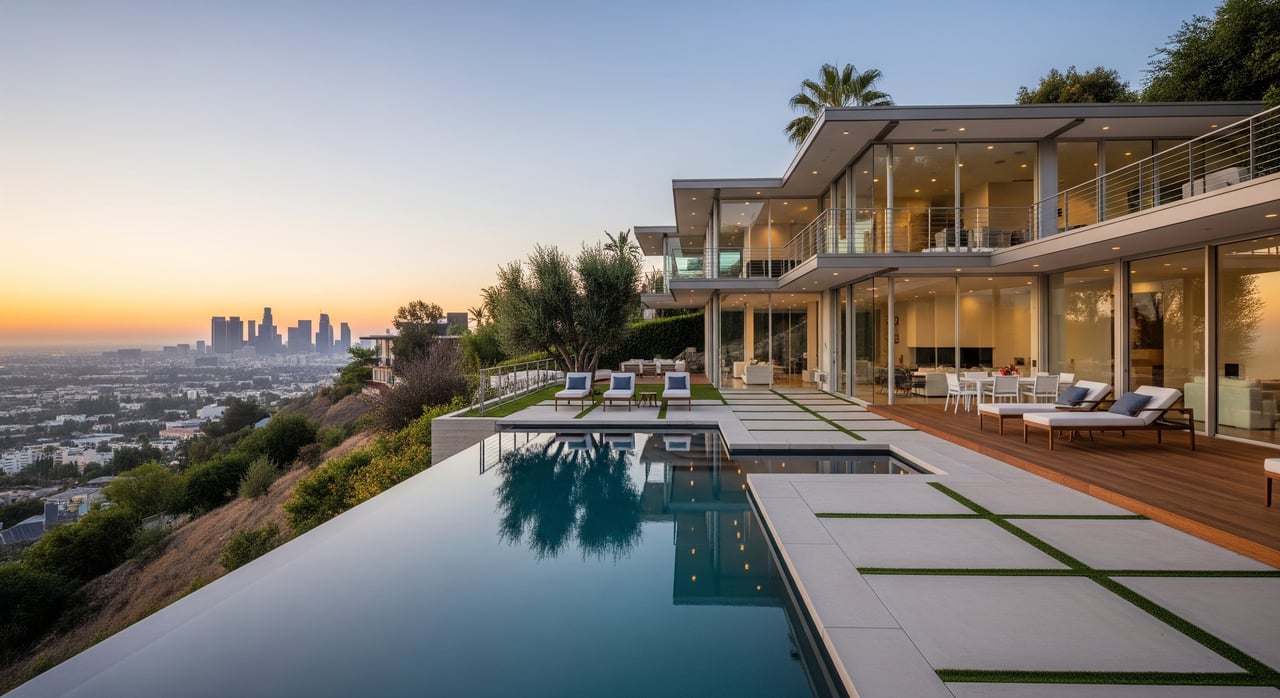
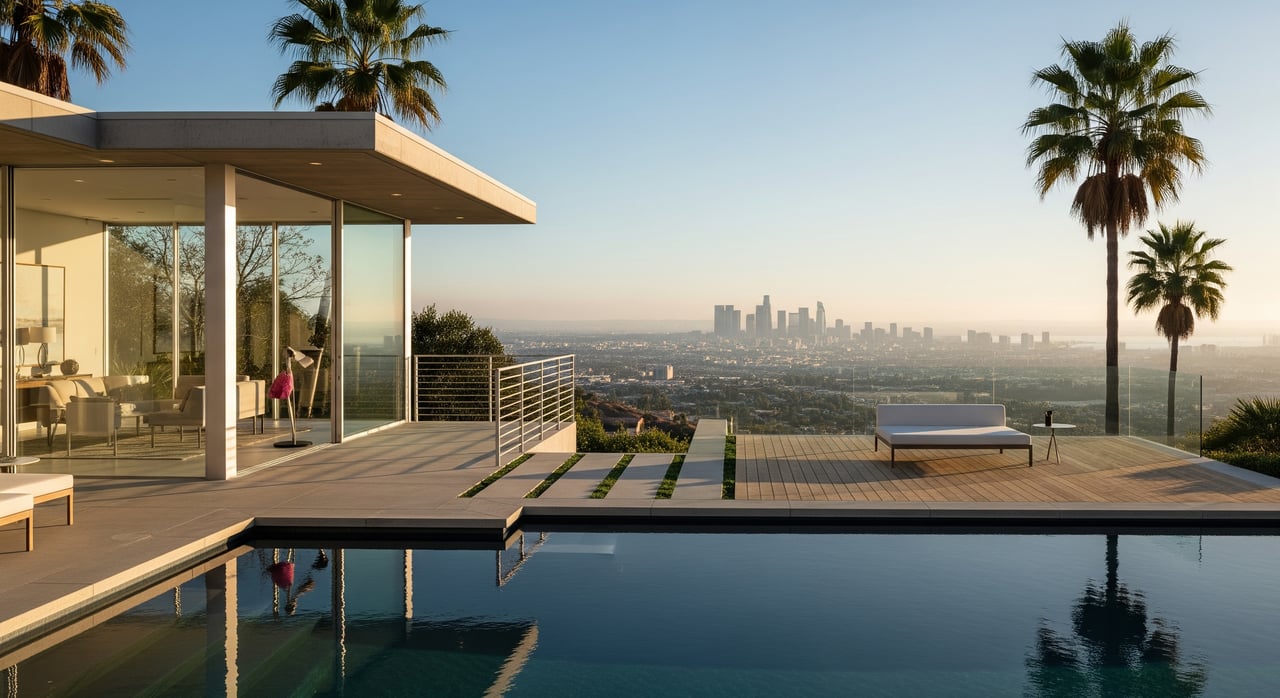
Hollywood Hills, Studio City, and Laurel Canyon appeal to entertainment and creative buyers who value views, privacy, and indoor-outdoor living. Demand is active for well-positioned homes. Properties that require significant renovation can see longer timelines, especially when financing and appraisals are involved.
Malibu and Pacific estates
Malibu serves buyers who prioritize direct ocean access and privacy. Trophy beachfront assets remain scarce and can support strong pricing. Coastal permitting and regulatory steps may extend timelines, so plan for due diligence and expert guidance.
Eastside emerging luxury corridors
In neighborhoods like Silver Lake and Echo Park, design-focused buyers seek architecture, views, and proximity to culture. Ultra-high-tier pressure is lighter than in legacy Westside enclaves, though desirable pockets can outperform expectations when a property is unique.
Buyer playbook for the year ahead
If you want to purchase well in today’s luxury market, preparation and speed matter.
- Define your threshold and micro-market. Track active listings, pending sales, days on market, list-to-sale ratios, and the cash share at your price point.
- Choose your capital path early. If you are financing, secure prequalification with a jumbo or portfolio lender and prepare documentation up front.
- Anticipate appraisal dynamics. Unique homes can challenge valuation models. Be ready with larger down payments or alternate valuation paths if needed.
- Plan for longer diligence. Title, geotechnical, and environmental reviews can extend timelines, particularly on large parcels or coastal properties.
- Move quickly on rare assets. Trophy listings draw competition, and being escrow-ready helps you stand out without overpaying.
Seller playbook for the year ahead
Today’s luxury buyers expect clarity, narrative, and access without sacrificing privacy.
- Lead with uniqueness. Views, site quality, pedigree, privacy, and acreage are your leverage points. Elevate them in your presentation.
- Price with precision. Overpricing can lead to long days on market and reductions. Accurate positioning relative to recent sales creates momentum.
- Invest in presentation. Sophisticated staging, curated photography, architecture credits, and discreet showing protocols reach the right audience.
- Use the right channels. Combine selective public exposure with targeted broker outreach and off-market networks when privacy is a priority.
- Verify buyer strength early. Ask for proof of funds or jumbo preapproval to protect momentum.
Financing realities at the high end
Jumbo vs conforming loans
Jumbo loans sit above the federal conforming limit and typically require higher down payments, more documentation, and sometimes higher rates. This adds sensitivity to rate moves for financed buyers. If you are a buyer, work with lenders who regularly close jumbo and portfolio products. If you are a seller, confirm proof of funds and lender strength to limit financing risk.
Cash share and valuation gaps
Cash transactions make up a larger share as prices rise. This improves liquidity for exceptional listings but is not universal across all price bands. If you are financing a unique home, plan for appraisal challenges and be ready to bridge gaps with structure or additional equity.
Closing cadence and specialists
Luxury transactions often include longer diligence windows and more coordination. Expect specialized escrow teams, cross-border compliance when relevant, and input from tax and legal advisors. The smoother your preparation, the faster and cleaner your closing.
Metrics that matter now
You will make better decisions by tracking a consistent set of metrics above your chosen threshold, such as 2 million, 5 million, or a local jumbo marker.
- Active luxury inventory and months of supply
- New listings vs pending sales
- Median and mean sale price
- Days on market and share sold within 30, 60, and 90 days
- Percentage of cash sales
- List-to-sale price ratio and share of price reductions
- Notable trophy transactions that signal appetite
Consistency is key. Broker reports, MLS statistics, national indices, and local business press each use slightly different definitions for luxury. Choose a threshold and stick with it so you can compare apples to apples over time.
When to go on market
Late winter to early spring and late summer often deliver strong visibility for new listings. Your ideal timing depends on the micro-market, property readiness, and your privacy goals. If discretion is essential, consider a by-invitation approach, then leverage selective public exposure when the narrative and assets are ready to shine.
Final thoughts
L.A.’s luxury market is more nuanced than a single headline. Inventory expanded, pricing became more negotiable in the mid-luxury tier, and cash remains king at the very top. Success comes from knowing your micro-market, preparing your capital path, and pairing precise pricing with exceptional presentation and access.
If you want architecture-first marketing, discreet advisory, and neighborhood fluency across the Westside, Hollywood Hills, Pasadena, and coastal enclaves, The Greg Holcomb Group offers a boutique approach with global reach. When provenance and privacy matter, you deserve a partner who treats your home like a cultural asset and your goals like a long-term relationship. Ready to talk? The Greg Holcomb Group.
FAQs
What defines the current L.A. luxury outlook?
- Inventory is higher than during the boom, pricing is flatter in many submarkets, and trophy properties continue to draw strong cash interest.
How do jumbo loans impact luxury buyers in Los Angeles?
- Jumbo underwriting is tighter than conforming, so rate changes and documentation standards affect affordability and speed for financed purchases.
What makes a property a trophy listing in L.A.?
- Unique attributes like views, privacy, architectural pedigree, land, and access create scarcity that attracts competition and cash bidders.
When is the best time to list a high-end home?
- Late winter to early spring and late summer often align with buyer activity, though off-market avenues can work year-round when privacy matters.
Which metrics should I track before buying or selling?
- Monitor active inventory, months of supply, pending-to-new listing ratios, median price, days on market, cash share, and list-to-sale price ratios.
How can sellers protect momentum once they hit the market?
- Price precisely, present with curated marketing and staging, and verify buyer strength early with proof of funds or jumbo preapproval.