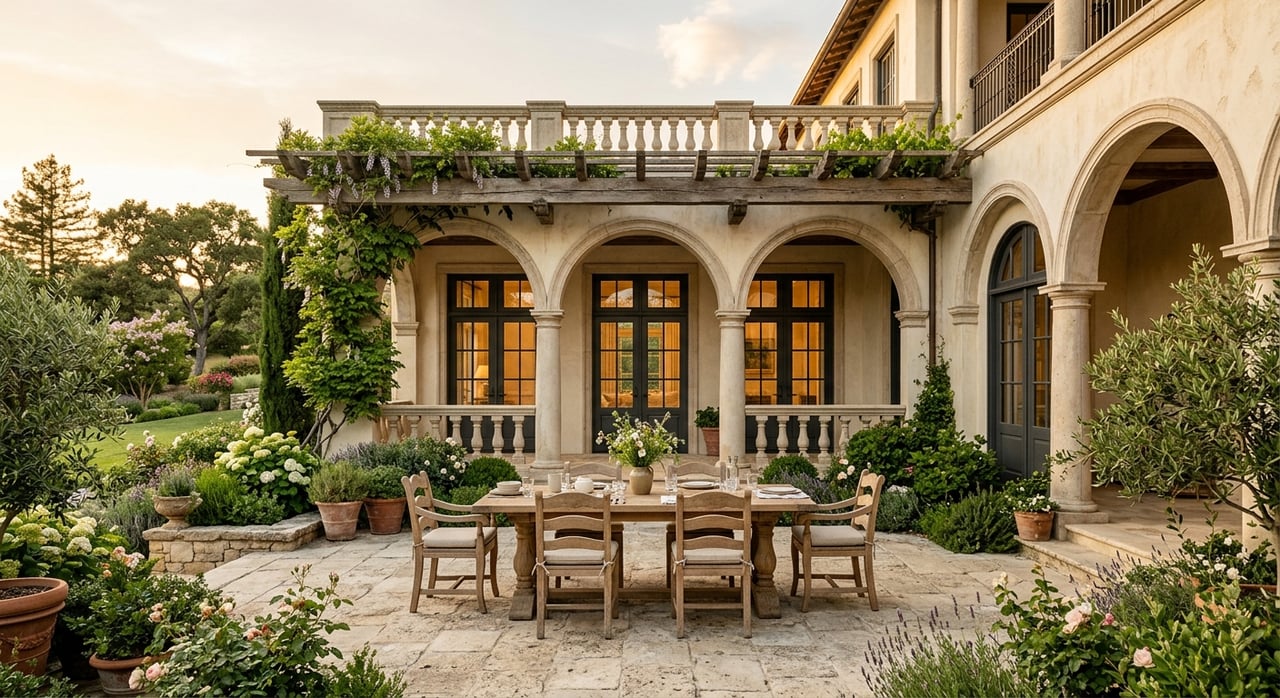
If you are considering a legacy estate in San Marino, you are not just buying square footage. You are stepping into a city shaped by large lots, mature gardens, architectural continuity, and a long-standing culture of stewardship. For many buyers, that is exactly the appeal. You want beauty, privacy, and permanence, but you also want a clear sense of what daily life and ownership actually look like. Let’s dive in.
San Marino’s Estate Identity
San Marino was shaped to feel different from surrounding communities. According to the city’s 2023 resident manual, it spans just 3.75 square miles and has 11,977 residents, with a civic identity rooted in preserving a residential setting of large-lot homes, gardens, wide streets, and maintained parkways. That framework still defines the city today.
The local historic record gives that identity even more depth. The San Marino Historic Resources Survey describes the city’s early growth as a residential enclave with minimal commercial development and no original plan for industry or multifamily housing. In practical terms, that means life here centers more on the home and its grounds than on a dense retail corridor.
For a buyer, this matters because the estate experience in San Marino feels intentional. The setting is not accidental or temporary. It is the result of planning, preservation, and a civic expectation that the landscape should remain coherent over time.
What “Legacy Estate” Means Here
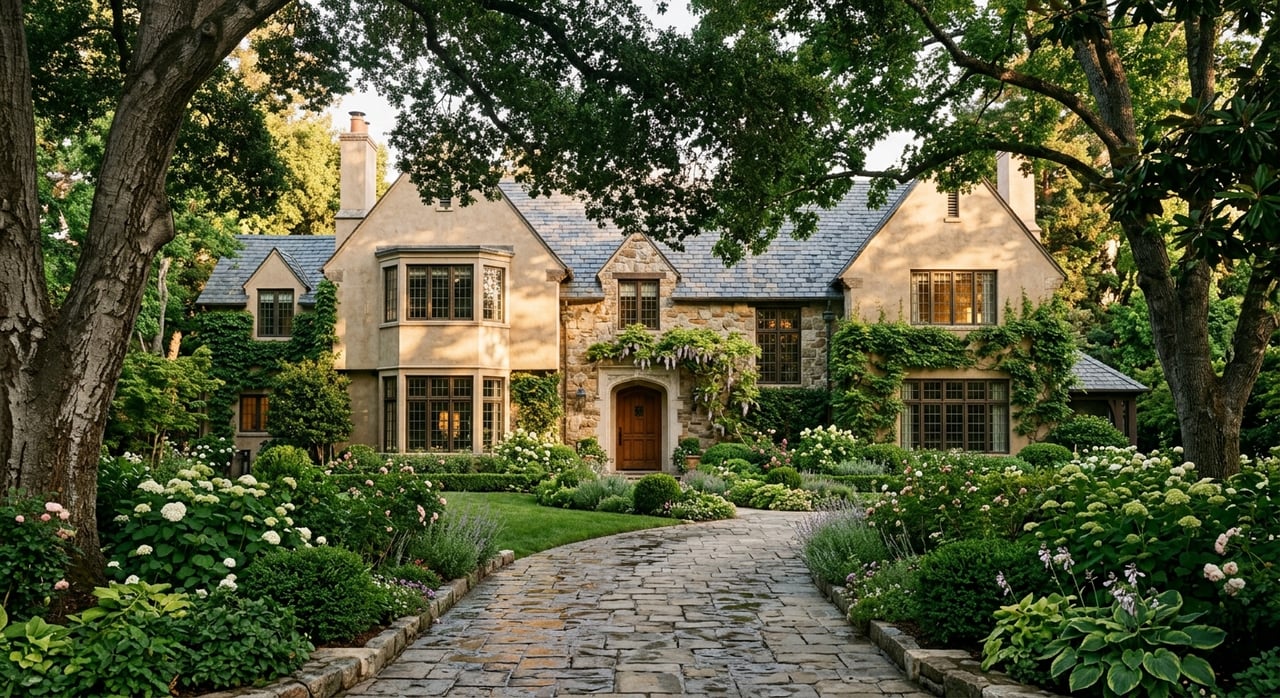
In San Marino, an estate often means more than a large house on a large lot. It can also mean a property with historic character, mature landscaping, formal approach, and outdoor spaces designed as part of the architecture. The historic survey notes that estate grounds may include perimeter walls, retaining walls, steps, walkways, roads, driveways, gates, water features, and gardens.
That language is useful because it reflects how these properties are experienced in real life. You arrive through gates or along a long drive. You notice the setbacks, the garden structure, and the way the house sits within the lot. The home and the land are part of one composition.
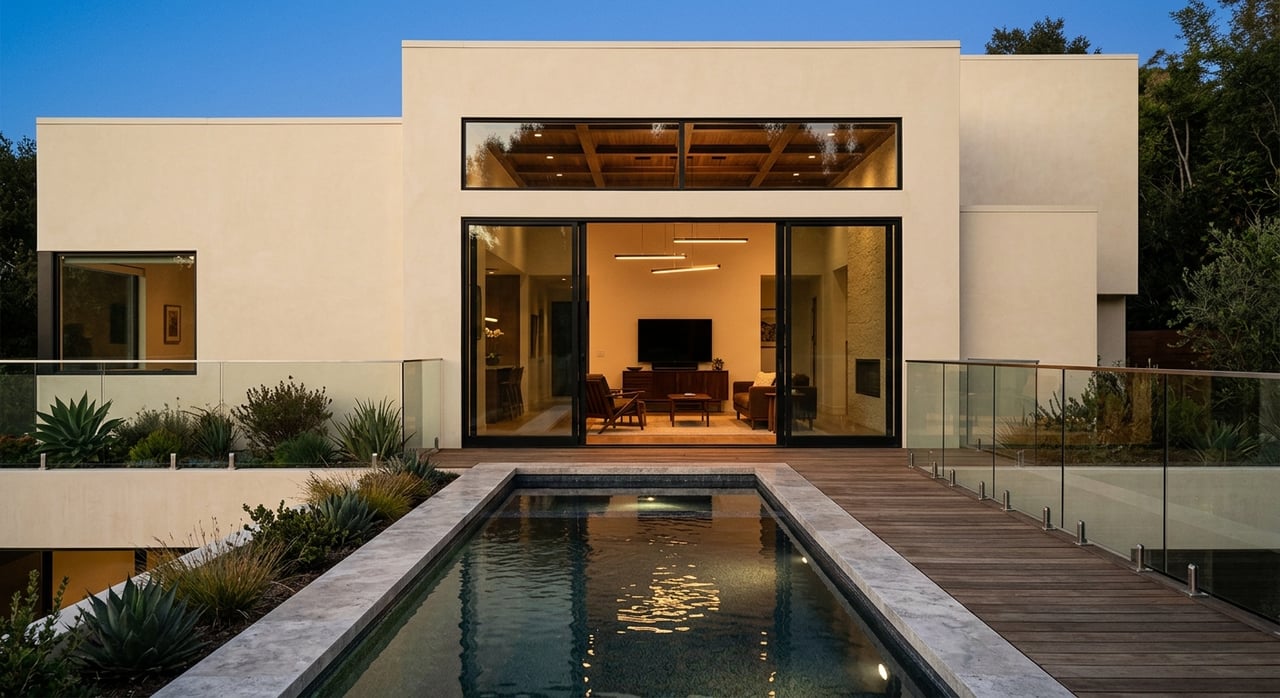
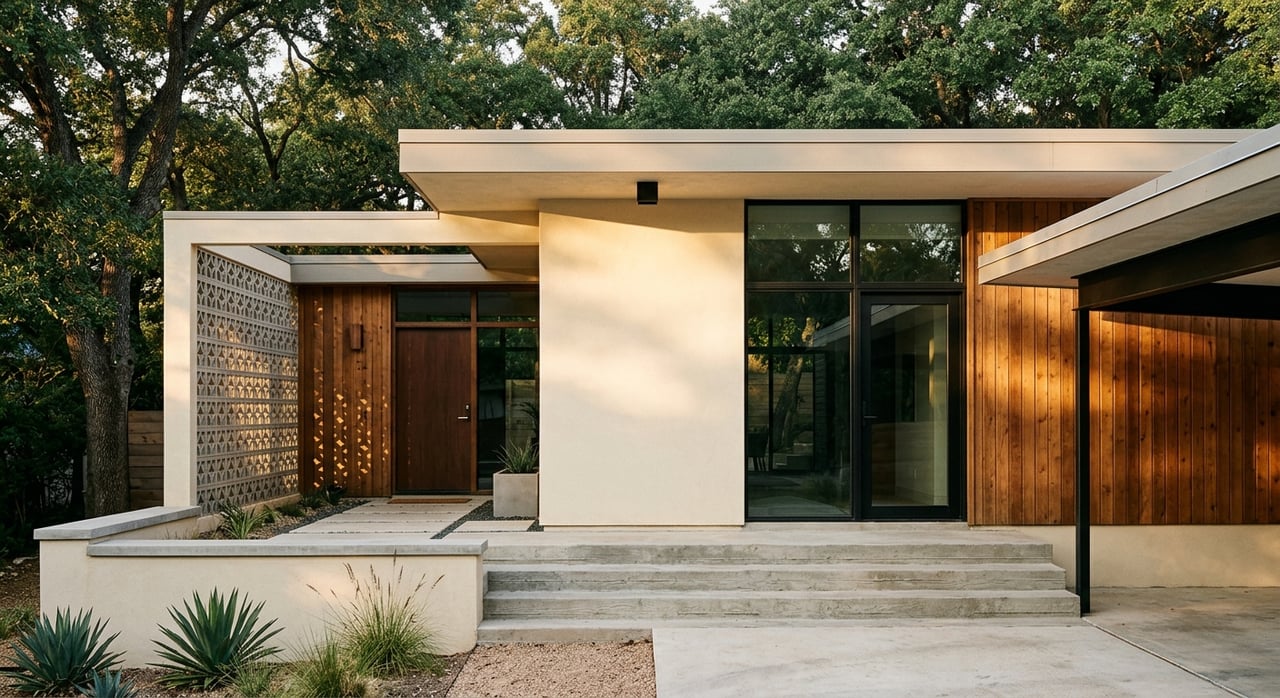
Architecturally, San Marino is broader than many buyers first expect. The city’s survey identifies Victorian, Craftsman, Period Revival, Ranch, and Mid-Century Modern examples, ranging from smaller cottages to substantial estates. If you are design-minded, that variety is part of the draw.
Daily Life Is Quiet and Grounded
Living in a San Marino estate often means your daily routine starts at home and moves outward in a measured way. This is a primarily residential city, and the civic pattern supports that pace. The city’s resident manual places City Hall, police and fire services, the Crowell Public Library, and the San Marino Community Center along Huntington Drive, reinforcing a compact and orderly civic core.
Much of the lifestyle revolves around home, garden, and nearby institutions. That can feel refreshing if you want a setting where the property itself remains central to everyday life. In San Marino, the estate is not just where you sleep. It is where much of your private world unfolds.
The city’s housing element underscores this residential character. It states that all of the housing stock was single-family detached, and that 91.9 percent of units had three or more bedrooms. It also notes that the older housing stock was generally kept in very good shape, which supports the sense of long-term care and continuity.
Lacy Park Shapes the Rhythm
One of the clearest lifestyle anchors is Lacy Park. The city’s resident manual describes it as a 30-acre park with seven picnic areas, a playground, open green areas, a Rose Arbor, a war memorial, and two walking loops. Resident entry is free with ID, while nonresidents are free on weekdays and pay a small fee on weekends.
For estate owners, that kind of nearby open space adds something meaningful to daily life. It offers a reliable place to walk, gather, and reset, while still reflecting the manicured character that defines the city. The park is public, but it feels aligned with San Marino’s broader landscape values.
That matters when you think about quality of life over years, not months. A legacy home works best when the surrounding public realm supports the same sense of care as the property itself.
The Huntington Sets the Cultural Tone
No discussion of San Marino estate living is complete without The Huntington. According to The Huntington’s official history, the institution grew from Henry and Arabella Huntington’s private estate and opened to the public in 1919. Today, it includes a major research library, an art museum, and 16 themed botanical gardens spanning roughly 130 acres.
That nearby presence shapes the city in subtle but lasting ways. It reinforces a culture of gardens, entertaining, and appreciation for art, landscape, and architectural setting. When you live in San Marino, access to that kind of institution becomes part of your lived environment, not just an occasional weekend destination.
The Huntington also hosts weddings, meetings, retreats, and large dinners, which helps explain why entertaining feels so natural in this setting. Many local properties were conceived with courtyards, patios, gardens, and formal grounds that support gatherings at home. The public institution and the private estate often feel like they speak the same design language.
Entertaining at Home Feels Natural
A San Marino estate often performs beautifully as an entertaining house, even when the mood is understated. The historic survey’s attention to gates, walkways, gardens, patios, and water features points to an older idea of residential design, one where arrival, circulation, and outdoor rooms all matter.
That can translate into many forms of contemporary living. You might host a garden lunch, a holiday dinner, or a small outdoor gathering framed by mature landscaping and architecture with real presence. The point is not scale for its own sake. It is the sense that the property was designed to hold people well.
For buyers who value hospitality and privacy in equal measure, this is one of San Marino’s strongest qualities. The home can feel both ceremonial and deeply personal.
Pasadena Adds Another Layer
San Marino remains intentionally residential, but it benefits from immediate proximity to Pasadena’s cultural life. Visit Pasadena notes that the Pasadena Museum of History is the only museum and research library devoted solely to preserving Pasadena’s history, art, and culture. It also highlights ArtNight Pasadena, when major museums and cultural institutions open free to the public twice a year.
Old Pasadena adds a different energy. Visit Pasadena describes it as a 22-block National Register Historic District with restored late-19th- and early-20th-century architecture and an active arts-and-dining scene. For San Marino residents, that means a quieter home base with nearby access to culture, dining, and walkable historic fabric.
If you want a nearby fine-arts institution, the Norton Simon Museum is another strong reference point. Its official site notes a collection of more than 12,000 objects, adding to the sense that this area supports a culturally rich day-to-day life.
Ownership Comes With Stewardship
The beauty of a legacy estate in San Marino comes with clear responsibilities. This is not a place where exterior changes happen casually. The city’s resident manual explains that the Design Review Committee reviews new and remodeled structures for neighborhood compatibility, and construction projects must screen materials and equipment, maintain landscaping, and may require tree-protection plans.
The same manual also notes that synthetic turf and synthetic plants are heavily restricted. That tells you something important about ownership here. Landscape is treated as a meaningful part of the civic environment, not just a private afterthought.
For many buyers, that is a feature rather than a burden. If you value coherence, mature planting, and thoughtful design, these rules help protect the setting that drew you here in the first place.
Preservation Is Active, Not Symbolic
San Marino’s preservation culture is supported by formal policy. The Los Angeles Conservancy’s overview of San Marino preservation reports that the city adopted a historic preservation ordinance in 2018. It states that designated historic structures are subject to preservation design review, and that new construction or additions on properties with a structure 50 years old or older require a historic resource assessment.
The Conservancy also notes a 50 percent refund of applicable building permit fees for compliant historic projects. For the right buyer, that signals a city that takes preservation seriously while also offering practical support for appropriate work.
This is a useful lens for understanding ownership. In San Marino, preserving a house is not simply about nostalgia. It is about maintaining the architectural and landscape qualities that make the city distinctive.
What Buyers Should Consider
If you are evaluating a San Marino legacy estate, it helps to think beyond finishes and room count. You are also assessing the site, the garden structure, the architectural integrity, and the level of stewardship the property will require over time.
A few questions can help guide your thinking:
- How does the house sit on the lot, and how much of the experience comes from the grounds?
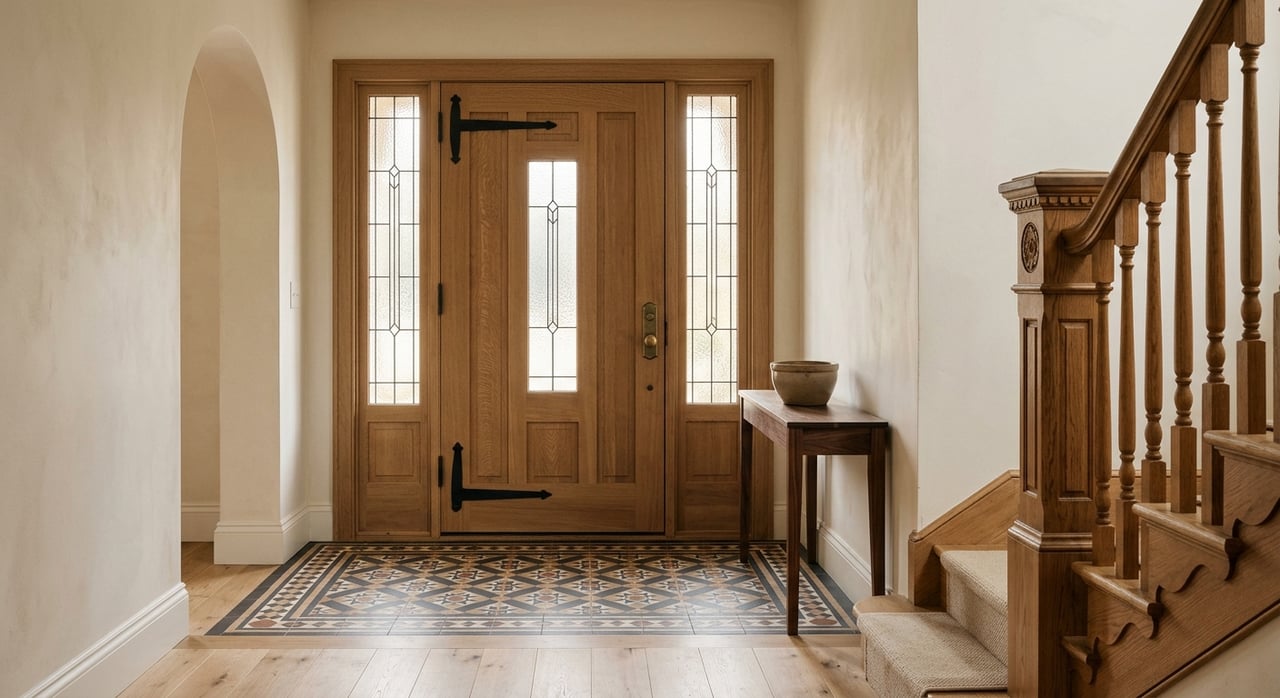
- Are original architectural details intact, and if not, have updates respected the home’s character?
- What level of landscape maintenance feels realistic for your lifestyle?
- If future work is likely, what preservation or design review requirements may apply?
- Do you want a property that supports formal entertaining, quieter private use, or both?
These are not secondary concerns in San Marino. They are central to how the property will live over time.
Why San Marino Appeals to Long-Term Buyers
San Marino’s appeal is tied to continuity. The city is highly residential, the housing stock is almost entirely single-family detached, and the built environment reflects a longstanding commitment to care and compatibility. That combination creates a setting that often resonates with buyers thinking in decades rather than seasons.
It also suits people who see a home as a legacy asset. In a city where parks, gardens, streetscapes, and architecture are all treated as part of a larger composition, ownership can feel more meaningful. You are not simply occupying a property. You are participating in a place with an established visual and civic language.
For buyers drawn to provenance, privacy, and long-lived beauty, that is the heart of the San Marino estate story.
If you are exploring the purchase or sale of a significant home in San Marino or nearby Pasadena, The Greg Holcomb Group brings a design-minded, discreet, and highly tailored approach to architecturally important properties. Let’s Connect and start a confidential conversation about your property.
FAQs
What defines a legacy estate in San Marino?
- In San Marino, a legacy estate typically combines a substantial single-family home with large-lot setting, mature landscaping, architectural character, and a strong sense of long-term stewardship.
What is daily life like near a San Marino estate?
- Daily life is shaped by a quiet residential setting, nearby civic institutions, access to Lacy Park, and the cultural presence of The Huntington.
What ownership responsibilities come with a San Marino historic home?
- Depending on the property, ownership may involve design review, historic resource assessment for certain projects, landscape maintenance expectations, and rules intended to preserve neighborhood character.
What makes San Marino different from nearby areas for estate buyers?
- San Marino is intentionally residential, with minimal commercial development, a citywide estate character, and a built environment centered on large lots, gardens, and single-family homes.
What nearby cultural destinations support San Marino estate living?
- The Huntington in San Marino, along with Pasadena destinations such as the Pasadena Museum of History, ArtNight Pasadena, Old Pasadena, and the Norton Simon Museum, add strong cultural access nearby.