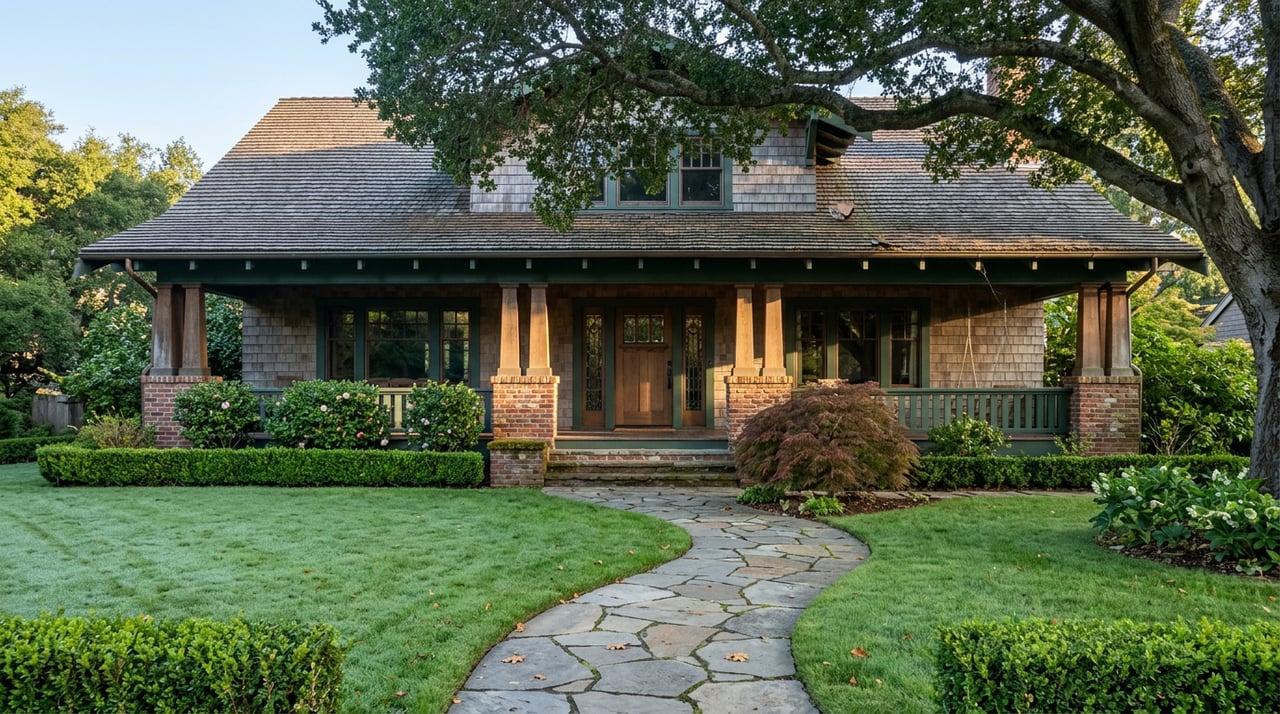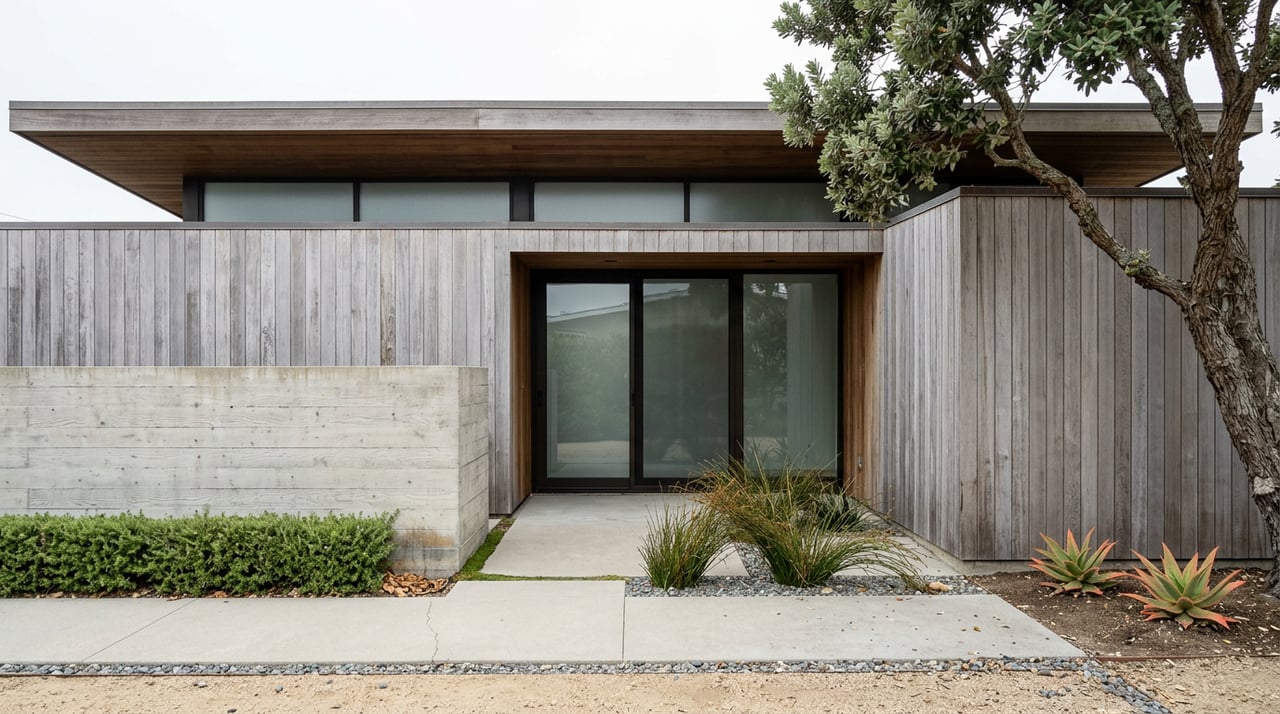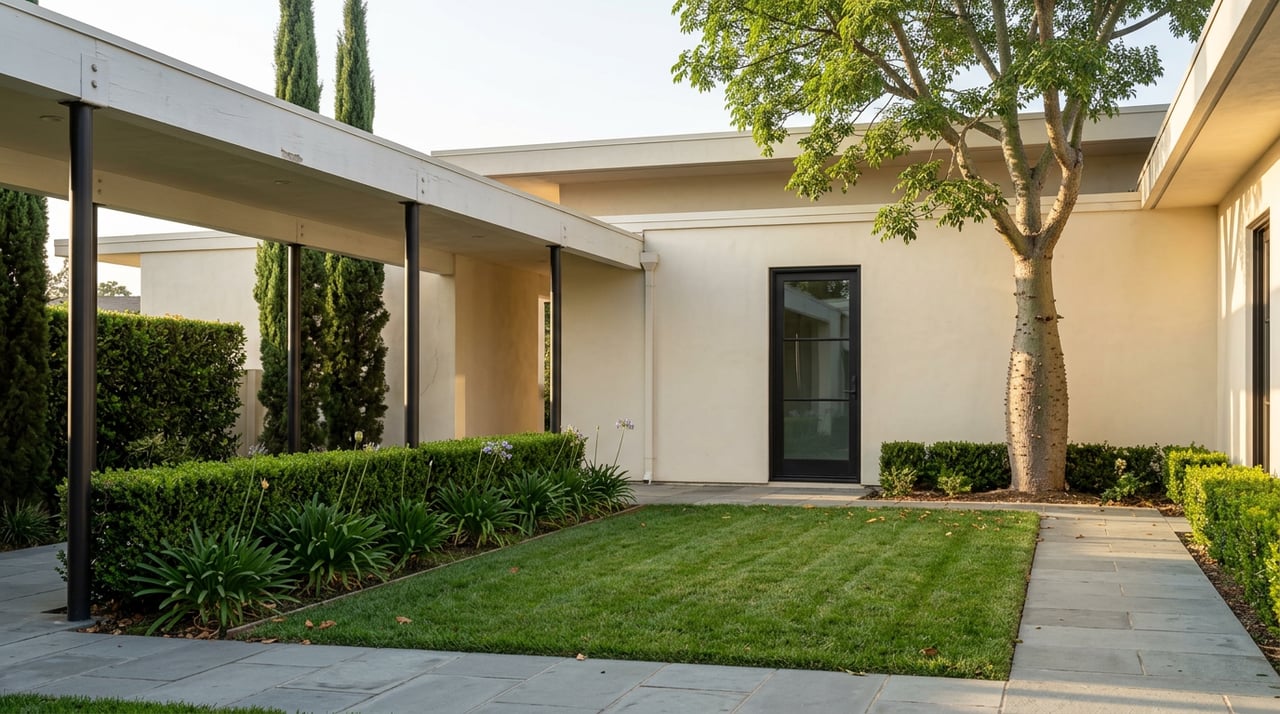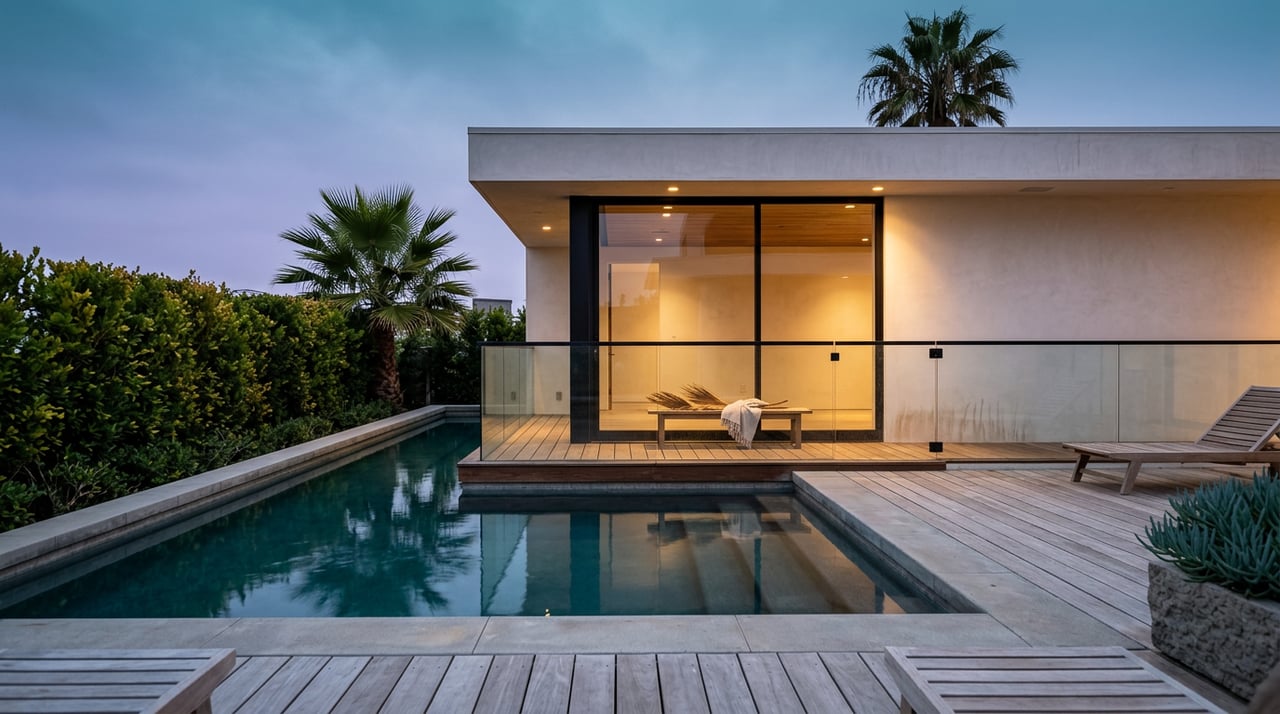
Ask what a house costs in Venice and you'll get a number back fast. The portals have trained everyone to expect one. But that number is doing something quieter than reporting a price. It's averaging four neighborhoods that don't behave anything alike, and the average tells you almost nothing about what your specific budget buys on your specific block.
As of Q2 2026, the median sale price for a home in Venice sat near $2.0 million, with a median of roughly $1,211 to $1,277 per square foot depending on which window of sales you look at. Compare that to the Los Angeles County median home sale price for the same period, close to $905,000, and Venice reads as a straightforward premium market. It is. But that single figure sits on top of a spread wide enough to make the median almost useless as a planning tool, and the reason for the spread isn't taste or marketing. It's geography, and specifically, it's the same geography that determines how long a remodel takes to permit.
The Number on the Portal Isn't a Place
Every Venice listing gets folded into the same neighborhood-wide statistic, whether it sits on a canal, a pedestrian walk street, or a standard residential block three-quarters of a mile from the water. That's a reasonable way to summarize a market. It's a poor way to shop one.
Over the three months ending June 2026, the broader Venice market showed roughly 120 homes sold in a single month, at a median just above $2.0 million. That's a market with real volume and real comparables. But volume at the neighborhood level says nothing about what happens once you narrow to a specific pocket, where the sample size drops to a handful of sales a month and the character of the housing stock changes completely from block to block.
Four Blocks, Four Markets
Pull the micro-markets apart and the spread becomes the story.
| Micro-market | What it trades for | As of |
|---|---|---|
| Venice Canals (canal-front) | Median sale near $5.1 million, roughly $3,190 per square foot | March 2026 |
| Walk Streets (pedestrian lanes off Abbot Kinney) | Typically $2 million to $6 million, with gated and multi-acre parcels reaching well above that | mid-2026 |
| Abbot Kinney-adjacent, renovated | Often exceeding $2,000 per square foot | 2026 |
| Venice single-family, all pockets blended | $2.0 million to $2.79 million median, roughly $1,211 to $1,277 per square foot | Q2 to July 2026 |
| Condos, one and two bedroom | $900,000 to $1.6 million, area figure near $1,150 per square foot | mid-2026 |
The canal figure deserves a caveat before it becomes a talking point. The Venice Canals are a six-waterway grid with a genuinely small number of transactions in any given month, so a single high sale can swing the published median hard in either direction. Treat the monthly number as directional, not as a precise appraisal input. What doesn't move around is the relative position: canal-front and walk-street product consistently prices at two to three times the per-square-foot rate of a standard single-family home a few blocks away, and has for long enough that it isn't noise.
The Coincidence That Isn't
Here's the part that doesn't show up on a flyer. The blocks commanding the steepest premiums in Venice, the canals, the walk streets, the oceanfront-adjacent parcels, are also the blocks sitting inside the California Coastal Zone, a state-defined boundary that under the Coastal Act extends generally 1,000 yards inland from the mean high tide line. In Venice, that boundary runs roughly along Lincoln Boulevard, meaning most of the neighborhood's most desirable and expensive addresses fall on the coastal side of that line while some of the more affordably priced, larger-lot pockets east of Lincoln fall outside it.
That's not a coincidence worth shrugging off. Proximity to the water is the variable driving both outcomes at once. It's why a canal lot commands a premium over an inland lot with an identical footprint, and it's also why that same canal lot answers to a different, slower regulatory process than the inland one does. The price and the friction share a cause.
What the Still-Uncertified Program Means for a Remodel
Los Angeles has been working to certify a Local Coastal Program for Venice since 2015. The Land Use Plan half of that program has been certified for the Venice coastal segment, but the Implementation Plan, the piece that would actually streamline how the city reviews and issues coastal permits, has not been. City Planning is currently coordinating with the California Coastal Commission on a draft Land Use Plan and expects to release it for public review sometime in the second half of 2026, which puts a fully modernized, fully certified program still some distance out.
In the meantime, projects inside Venice's Coastal Zone continue to be measured against the older Venice Coastal Zone Specific Plan, a document that predates the current update and was written to implement the Coastal Act at a local level with its own set of subarea rules for the Canals, the Marina Peninsula, North Venice, and the rest. It works. It is not fast, and it is not always predictable, because a program that isn't fully certified doesn't give the city the same clean, delegated authority to move a project through review that a certified program would.
A house on Sherman Canal and a house three-quarters of a mile inland can be identical in every measurable way except one, and that one difference explains both why the canal house costs more and why its remodel will take longer to approve.
For a buyer comparing a canal-front architectural home to an equivalent property outside the zone, the practical translation is straightforward: build extra time into any renovation or rebuild timeline for canal, walk-street, or near-oceanfront addresses, and don't assume the schedule your architect quoted for a project in Los Feliz or Hollywood Hills will transfer to Venice's coastal blocks. It won't, because the rulebook isn't the same one.
What This Actually Means for a Budget
Line the numbers up against the geography and a budget stops being an abstract figure and starts being a decision about which market, and which regulatory track, you're actually buying into.
- Under roughly $1.6 million puts a buyer in Venice's condo tier, largely outside the highest-friction coastal review, with maintenance handled by an HOA rather than a private permit process.
- Between $2.4 million and $2.79 million lands in the broad single-family market, where original bungalows and post-war construction sit alongside newer architectural builds, some inside the Coastal Zone and some not, depending on the specific block.
- Above $5.2 million for new architectural construction, and near $5.1 million for canal-front resale, puts a buyer squarely inside the zone where the Specific Plan, not a modern certified program, still governs the pace of change.
None of this argues against the premium addresses. It argues for pricing the timeline into the decision the same way you'd price the square footage, especially for anyone planning to renovate or rebuild rather than buy turnkey.
A Few Questions Worth Asking Before You Look
Is every Venice address inside the Coastal Zone? No. The boundary runs roughly along Lincoln Boulevard, and pockets to the east, including much of the area sold as "East of Lincoln," generally fall outside it. A property's exact status is worth confirming block by block rather than assumed from the neighborhood name alone.
Does a longer permitting track mean a canal or walk-street home is a mistake? Not at all. It means the timeline for exterior changes, additions, or a full rebuild needs realistic expectations set going in, ideally with an architect and a real estate advisor who have actually taken a project through Venice's coastal review before.
Where can I check the timeline on the city's current process? Los Angeles City Planning maintains a public page on the Venice Local Coastal Program update with the current status of the draft Land Use Plan and Implementation Plan, which is the most reliable source for where the process actually stands.
Venice rewards buyers who treat it as four or five distinct neighborhoods sharing one name rather than a single market with one number attached. If you're weighing a canal lot against a walk street, or trying to understand why two homes with the same square footage carry such different price tags, that's exactly the kind of block-by-block read Greg Holcomb and the team built their practice around. Reach out through gregholcomb.com to start a confidential conversation about a specific address, and what it would actually take to buy, hold, or reshape it.