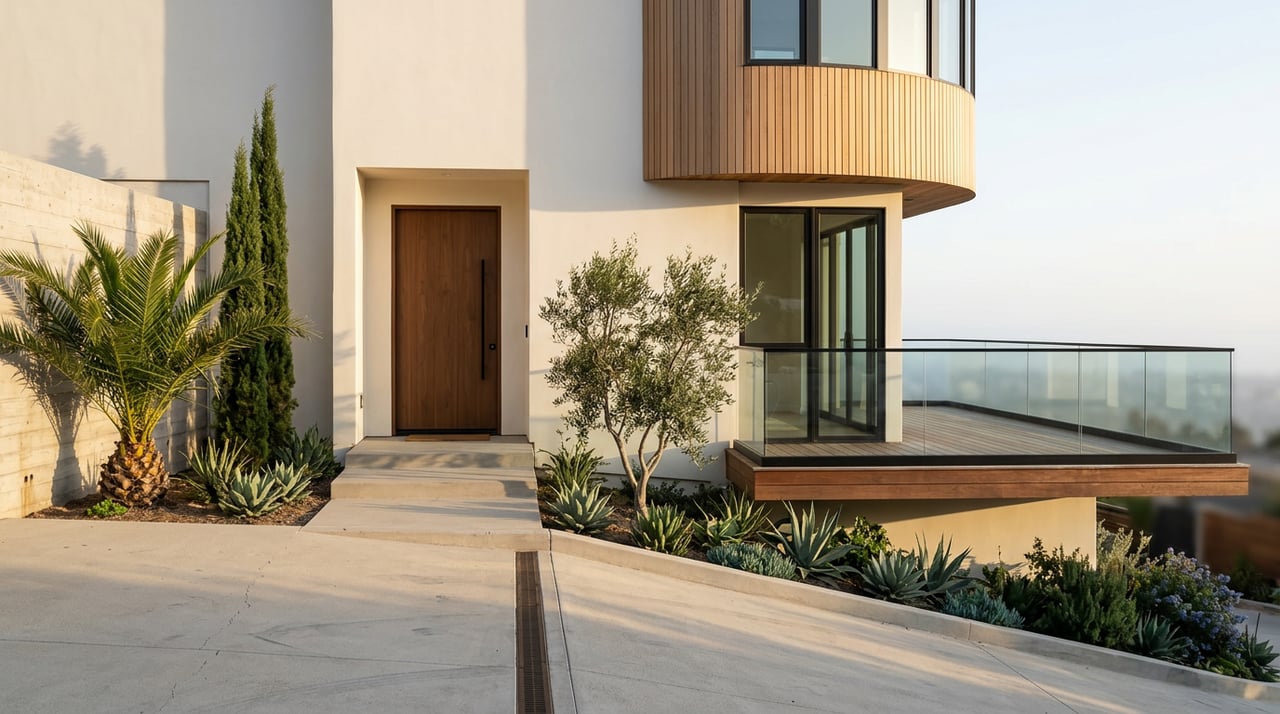
Chasing that twinkling skyline from a glass-railed deck is a classic Los Angeles dream. If you are eyeing a view home in the Hollywood Hills, you already know the rewards are real: panoramic vistas, privacy, and architecture that lives for golden hour. The truth is, hillside properties come with their own rulebook. In this guide, you will learn how to read the terrain, understand the approvals that shape remodels, and line up the right experts so your purchase feels both inspiring and sound. Let’s dive in.
Hollywood Hills, where the views live
When people say “Hollywood Hills,” they usually mean the ridges and canyons above Hollywood and the Cahuenga Pass, including Laurel Canyon, Beachwood Canyon, Outpost Estates, and the Bird Streets along the Mulholland ridgeline. These micro-areas differ in road width, parcel depth, tree canopy, and which direction your views face. An overview of these subareas helps you set expectations for access, privacy, and how the views present. For a quick primer, see the neighborhood context in the Hollywood Hills overview on Wikipedia.
No two lots are the same. One street can have generous pads, while the next has tight driveways and steeper slopes. Because generalities only go so far, verify parcel specifics early using the city’s ZIMAS layers and permit history. A practical primer on how to navigate ZIMAS can save you time and guesswork when you want to confirm overlays, past permits, and environmental flags.
Ridge vs canyon: how the view feels
- Ridge and Bird Street homes often deliver broad, cinematic views of the skyline or even ocean on clear days, with dramatic night lights. Tradeoffs can include wind exposure, less flat yard space, and more visible massing from below.
- Canyon homes in areas like Laurel or Beachwood tend to feel sheltered and quiet, framed by mature trees. Views skew to corridor or framed outlooks rather than wraparound panoramas, and access or parking can be tighter.
Your choice comes down to priorities. If you want sweeping, high-drama vistas, you may accept steeper engineering and maintenance. If you prize privacy, green space, and a soft microclimate, a canyon setting can be compelling with the right drainage and vegetation management.
Regulations that shape your remodel plans
Most Hollywood Hills lots fall under Los Angeles hillside rules that control grading, height, setbacks, and how floor area is measured on sloped land. The Baseline Hillside Ordinance, along with related zoning and Bureau guidance, often determines what you can add or reshape without seeking special approvals. It is common for grading limits to be the deciding factor for pools, new pads, or larger additions.
A key trap is the “two-map” reality. You must check both the City Planning Hillside Area designation and the LADBS Hillside Grading Area map. They are different, and both can apply to the same lot. Understanding how these rules apply at the parcel level helps you align your design vision with what is realistic.
Geotechnical and soils review
For most significant hillside work, the city requires a soils and sometimes geology report prepared by licensed professionals. LADBS reviews the geotechnical recommendations and may require a deputy inspector during earthwork. Build timelines should account for those review cycles, which can take multiple weeks before permits are issued.
Wildfire and brush clearance
Much of the Hollywood Hills sits within Very High Fire Hazard Severity Zones. Properties in these areas must maintain defensible space through seasonal brush clearance, and LAFD enforces this program with annual inspections. Home hardening elements like Class A roofing and ember-resistant vents are often required for new construction or certain remodel triggers. Knowing the status of a property’s brush compliance and required improvements helps you plan both insurance and maintenance costs.
Seismic and landslide awareness
Active fault zones and mapped landslide susceptibilities run through or near portions of the Hills. On steep ground, earthquake shaking can influence slope stability and retaining systems. A geotechnical review is the standard way to quantify parcel-specific risk and design mitigation.
Insurance and lending reality
California’s wildfire environment has changed the insurance landscape. Some carriers have adjusted coverage availability and pricing in hillside zones, and the state FAIR Plan has become more common as a backstop. Secure homeowners, wildfire, and earthquake insurance quotes early in your escrow. Carrier-required mitigation steps can affect your financing timeline and budget.
What to look for on tour day
Bring a camera and a simple checklist. A focused site walk can reveal items you will want specialists to evaluate during contingencies.
- Retaining walls: look for bulging, leaning, diagonal or horizontal cracks, patched shotcrete, and clogged or missing weep holes.
- Slopes and soil: note tension cracks along slope crests, scarps, leaning trees or fences, and any settlement near patios or foundations.
- Drainage: trace downspouts and scuppers. Water should route away from structures and slopes into appropriate collection points.
- Driveway and access: watch for tight turning radii, steep grades, and limited street parking. Consider emergency vehicle access and gate standards.
- Fire hardening: confirm roof type, vent screens, enclosed eaves if present, and defensible space conditions.
- Unpermitted work clues: mismatched finishes, new landscaping after evident grading, or visible trenches with no permit references.
A seasoned hillside inspector will recognize these red flags and advise what to prioritize next.
Specialists to hire during contingencies
Escrow is your moment to turn observations into data. Line up the right experts, then sequence their visits so findings inform each other.
- Licensed soils or geotechnical engineer. Request a site-specific opinion, borings if warranted, and a written report on slope stability and foundation recommendations.
- Structural engineer. Ask for a stamped letter on retaining walls, grade beams, tiebacks, and deck connections with an estimate range for remediation.
- Civil engineer or drainage specialist. Map roof and surface runoff, confirm collection points, and review subsurface systems like French drains.
- Home inspector experienced with hillside properties. You want someone fluent in grading, roof, moisture, and deck systems specific to steep sites.
- Retaining wall specialist or contractor. Many walls are older and may require full rebuilds rather than patching.
- Arborist. Tree risk assessments protect structures, access routes, and neighboring improvements, and some trees are protected.
- Sewer lateral camera scope and utility verification. Confirm connection, slope, and any pump stations.
- Title counsel or a diligent escrow/title examiner. Verify recorded easements, any private-road maintenance agreements, and whether a view is protected by a recorded instrument.
Timing, access, and parking realities
Allow ample time in your inspection contingency for specialty reports. A desk-level geotechnical review can take two to three weeks. Field borings, second opinions, and structural or drainage studies add time. If you are contemplating major changes, understand that City approvals and any discretionary requests can extend timelines by months.
Be aware that on Red Flag days, the LAFD may limit parking on narrow hillside roads to keep evacuation and fire apparatus routes clear. If your home depends on street parking for guests or service vehicles, those restrictions matter. Confirm practical access for deliveries, emergency turnarounds, and gate operation standards before you commit.
Protecting the view you pay for
Views are valuable, but they are not automatically protected. Only a recorded view easement or specific covenant can guarantee preservation, and those are not common. Your title review should look for any view easements that benefit or burden the property.
Equally important is understanding what could change around you. ZIMAS can help you research zoning and overlays on adjacent parcels and flag potential building envelopes. Tree growth and vegetation management also influence view corridors. Budget for responsible tree care and neighborly coordination over time.
Buyer’s due diligence checklist
Use this concise list as you evaluate a Hollywood Hills view property:
- Confirm hillside and grading designations, zoning overlays, and past permits via the city’s parcel tools and LADBS records.
- Request the seller’s geotechnical, structural, and retaining wall documents. If materials are missing or older, plan for a new geotech review.
- Pull preliminary title and scrutinize easements, private-road agreements, CC&Rs, and any recorded view protections.
- Check brush clearance status and any notices, and review defensible space conditions and home hardening features on site.
- Obtain homeowners, wildfire, and earthquake insurance quotes early. Ask carriers about required mitigation and timelines to bind.
- Order a sewer camera scope and verify utilities, including water pressure and any pump systems.
- Write offers with specialized contingencies for geotechnical approval, structural clearance, insurance availability, and permit feasibility if you plan changes.
Start your hillside search with confidence
A Hollywood Hills view home should feel both inspiring and secure. With clear due diligence, the right engineering advice, and a plan for insurance and maintenance, you can own a hillside property that performs as beautifully as it looks. If you would like a confidential, design-forward approach to identifying the right lot, architect, and risk profile for your goals, connect with The Greg Holcomb Group for tailored buyer representation.
FAQs
What makes a Hollywood Hills home “hillside” for permits?
- In Los Angeles, mapped Hillside Area and Hillside Grading Area designations trigger specific grading, height, and plan review rules that can shape additions, pools, and site work.
How do I know if a view is legally protected?
- Only recorded documents, such as a view easement or covenant, protect a view; your title review should confirm whether one exists for the property.
What inspections are most critical for steep lots?
- A licensed geotechnical engineer’s site review, a structural engineer’s assessment of retaining elements, and a drainage evaluation are the top three, supported by a hillside-savvy home inspection.
How does wildfire risk affect ownership in the Hills?
- Expect annual brush clearance requirements, potential home hardening upgrades, and insurance underwriting that may require mitigation before binding or at renewal.
How long should I budget for hillside due diligence?
- Two to three weeks is typical for initial geotechnical review, with added time for borings, structural evaluations, and drainage studies, especially if you are planning a remodel.